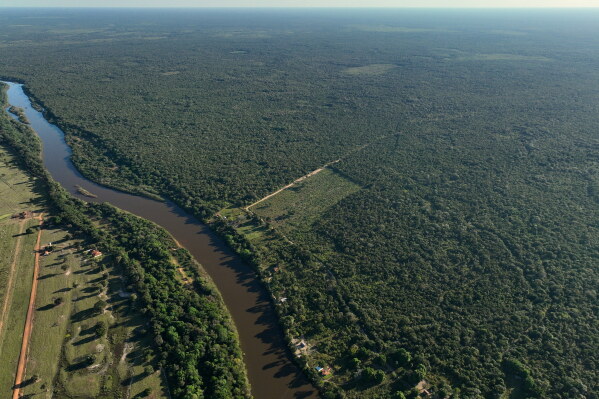
On Bananal Island in northern Brazil, a significant debate over cattle and conservation is unfolding. Federal authorities mandated the removal of cattle herds from protected Indigenous land, arguing that these lands, intended for Indigenous peoples and conservation, were illegally used by outside ranchers, contributing to environmental degradation.
Wranglers moved over 100,000 cattle off the island when river levels permitted, but the decision affected Indigenous residents financially. They had depended on leasing land to ranchers for income. This situation highlights the difficulty in balancing conservation, Indigenous needs, and agribusiness pressures. Brazil, a leading beef producer globally, faces immense pressure as cattle ranching is a major cause of deforestation.
Environmental Challenges on Bananal Island
Indigenous lands are seen as vital in reducing Amazon deforestation, crucial for global climate stabilization. Despite progress, cattle ranching remains deforestation’s main driver. Tocantins state, home to Bananal Island, ranked high in deforestation rates in 2025.
On the island, informal leasing arrangements allowed ranchers to graze cattle, with fees paid to village leaders. However, this system exacerbated inequality, with few benefiting financially. According to Leandro Milhomem, chief of IBAMA in Tocantins, the system failed to provide shared benefits, with some leaders receiving substantial funds while others in the community faced malnutrition.
Residents noted that ranchers restricted access to communal farming areas. Though some Indigenous leaders blame policy failures, excessive cattle numbers led to unsustainable conditions, necessitating herd removal.
Historical Context and Economic Implications
Bananal Island, nestled between the Javae and Araguaia rivers, has a history of Indigenous habitation. In the 1950s, it became a protected area, and authorities promoted cattle ranching. Although it offered economic potential, ranching fueled environmental issues like soil acidification and wildfires.
The Javae, Karaja, and Ava-Canoeiro Indigenous groups inhabit the island. Traditionally tied to ranchers, the Javae have seen mixed cultural influences. Across the island, brick houses stand next to traditional structures, and modern amenities blend with Indigenous life.
Rethinking Economic Models
The Javae are collaborating with The Nature Conservancy on a management plan addressing their social, environmental, and economic essentials. Javae leaders visited the Macuxi people, who successfully adapted agriculture to reclaim territory. The Macuxi own around 45,000 cattle today, demonstrating a blend of economic activity and territorial rights.
These discussions indicate a broader Indigenous debate in Brazil. Balancing rights, economic needs, and environmental protection remains a challenge. As Indigenous rights advocate Ivo Aureliano Macuxi noted, tailored frameworks are crucial for each community.
The complex situation on Bananal Island serves as a microcosm of the larger issues facing Indigenous lands in Brazil.
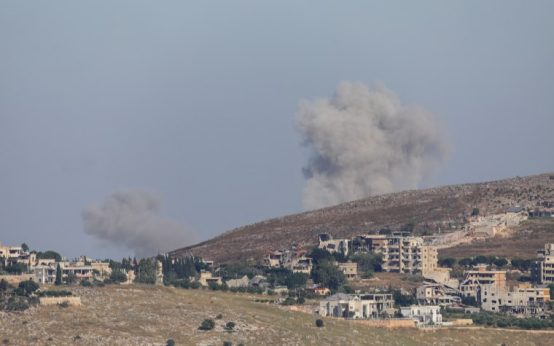 Israeli Strikes in Southern Lebanon Escalate Tensions Amid Ceasefire Efforts
 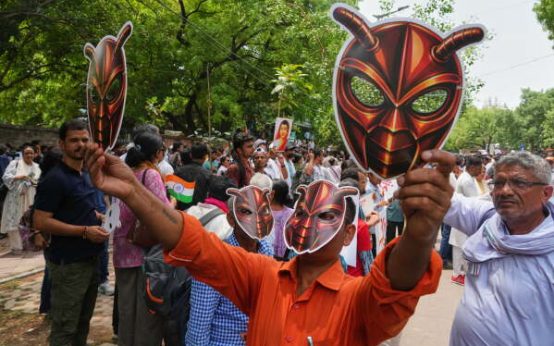 Protestors Demand Education Minister’s Resignation Over Exam Leaks
  Caring for the Aging Nuns: A Challenge in Uganda
  Vietnamese Deportee Returns Home After Lengthy Detention in South Sudan
  Political Shifts in New York Under Mayor Mamdani
  World Cup Rankings and Day Nine Highlights