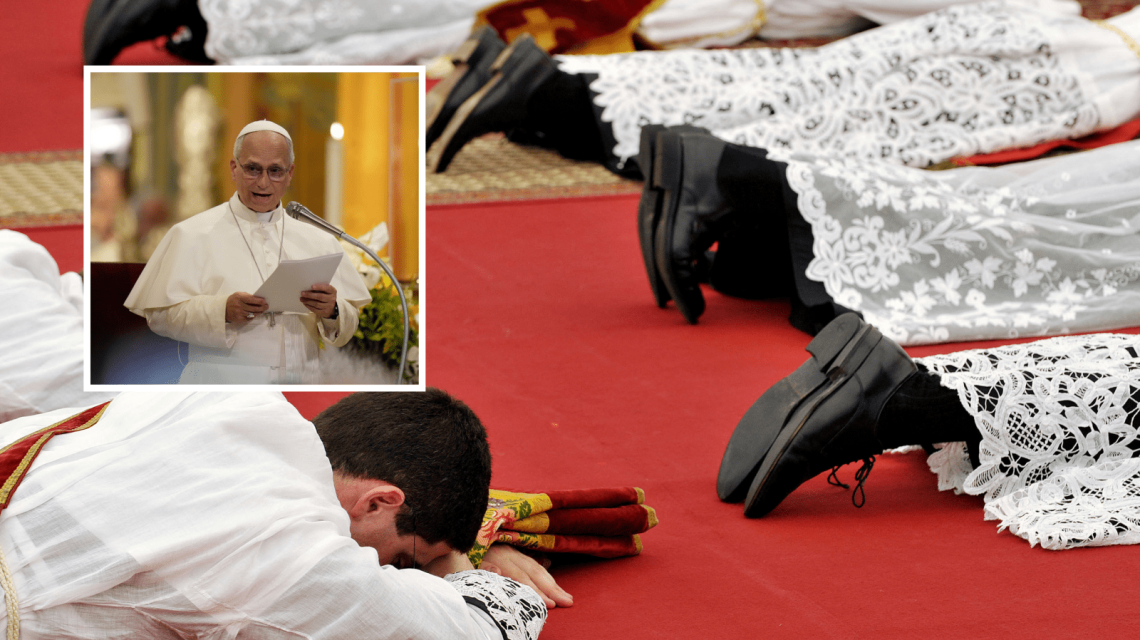
A long-standing rift within the Catholic Church is reaching a critical juncture as the Society of St. Pius X (SSPX), a traditionalist priestly fraternity, plans to defy Rome by ordaining four bishops on July 1 at their seminary in Écône, Switzerland. This act, deemed a ‘schism’ by the Vatican, risks automatic excommunication under canon law for both those performing and receiving the ordinations.
Pope Leo XIV, who began his papacy in May 2025, is facing a significant leadership challenge. He has personally urged the SSPX to reconsider, cautioning that this move could exacerbate divisions within the Church. Despite this, SSPX leaders have steadfastly defended the ordinations, arguing they are necessary for the continuation of their ministry.
The SSPX, citing a shortage of bishops, announced the four priests set for consecration: American Father Michael Goldade, Pascal Schreiber from Switzerland, Michel Poinsinet de Sivry from France, and Marc Hanappier from France. The society emphasizes the need for traditional bishops to sustain their religious practices and defend their principles.
The Consecration Controversy: Cardinals Warn of Excommunication
Cardinal Víctor Manuel Fernández, the Vatican’s head of discipline, has reiterated that performing ordinations without papal approval represents a severe breach of Catholic canon law. Such actions entail excommunication, barring involved individuals from sacraments, official ministry, or holding liturgical functions.
This situation brings to mind historical parallels. In 1988, French Archbishop Marcel Lefebvre, SSPX’s founder, consecrated four bishops without approval from Pope John Paul II. The Vatican deemed it a schismatic act, excommunicating Lefebvre, Bishop Antonio de Castro Mayer, and the ordained bishops.
In 2009, Pope Benedict XVI lifted the excommunication of the surviving bishops to improve relations, yet the SSPX has not been fully integrated into the Church, operating in a ‘canonical irregularity’ state.
The SSPX formation in 1970 was a reaction to Second Vatican Council reforms between 1962 and 1965, which Lefebvre and supporters believed strayed from tradition. This has led to ongoing disagreements with successive popes.
SSPX’s Defense of Ordination
Father Davide Pagliarani, SSPX’s superior general, defends the ordinations as ‘realistic and reasonable,’ highlighting the growth of SSPX masses and the necessity for bishops to continue traditions. With a significant rise in priests and places of worship, SSPX asserts these ordinations are vital.
The SSPX argues a ‘state of grave necessity,’ invoking unresolved doctrinal disputes as justification. Pagliarani wrote to the pope, expressing concern over ‘modernist errors’ affecting faith and morals, stressing that canonical sanctions are an insufficient response.
Pope Leo XIV acknowledges the standoff, expressing his desire for unity. The pope indicated the decision rests with SSPX yet urged dialogue and emphasized the importance of maintaining communion within the Church.
As the ordination date approaches, the SSPX reflects a generational shift, with the four incoming bishops signaling future leadership changes. This situation remains a significant test for the Vatican’s diplomacy and resolution efforts.
 Mexico Plans to Resume Oil Shipments to Cuba Through Private Companies
 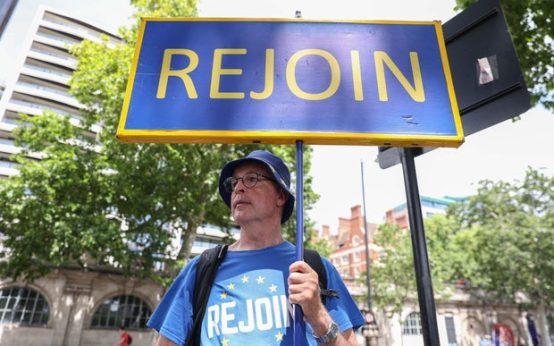 Majority of Brits Now Regret Brexit, Survey Reveals
  Strait of Hormuz Remains Open Amid U.S.-Iran Negotiations
  China’s Naval Flotilla Arrives in Vladivostok for Joint Exercises
 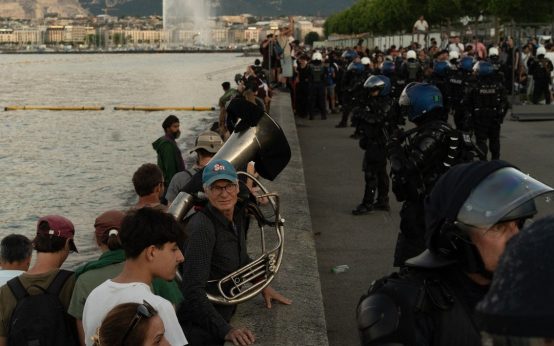 Switzerland’s Population Cap Referendum and Its Implications
  Norway’s Resurgence in the World Cup Spotlight