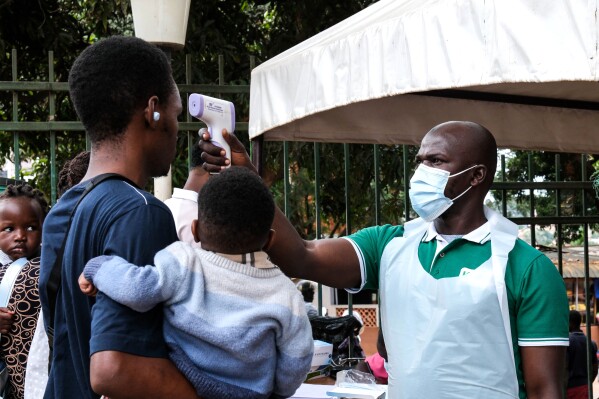
Arson attacks on Ebola treatment centers in eastern Congo highlight significant challenges for authorities. These attacks reflect a backlash from local communities as efforts intensify to control an outbreak of Ebola, declared a global health emergency. The recent burning of centers in key towns reveals the anger in a region embroiled in violence from armed rebel groups, mass displacement, failing local governance, and reduced international aid. Experts emphasize the dire convergence of crises.
Persistent Violence Threatens the Region
Eastern Congo has long been plagued by attacks from various rebel and militant groups. Some possess ties to foreign entities or extremist groups like the Islamic State. The region also deals with control issues, particularly from Rwanda-backed M23 rebels. Though the government maintains control over Ituri Province, where Ebola is centered, this control is weak. The Allied Democratic Forces, a Ugandan Islamist group linked to IS, is prominent here and commits violent acts against civilians.
Doctors Without Borders warns that the insecurity in Ituri has intensified recently, leading to medical professionals fleeing, and leaving overwhelmed health facilities amid catastrophic conditions.
Displacement Compounds the Crisis
According to the U.N. humanitarian office, nearly one million people are displaced due to conflict in Ituri. The ongoing Ebola outbreak unfolds in communities grappling with insecurity, displacement, and fragile healthcare systems. Concerns grow about the disease spreading to large displacement camps near Bunia, where initial cases surfaced. Over 700 suspected Ebola cases and more than 170 deaths, mainly in Ituri, have been reported. Cases also appear in North Kivu and South Kivu provinces where M23 holds sway, and in neighboring Uganda.
The outbreak response in Congo involves government and rebel authorities, with significant aid agency involvement.
Impact of Aid Cuts
Health experts argue that last year’s international aid cuts by the United States and other wealthy nations severely impacted eastern Congo due to its complex issues. These cuts diminished the capacity to detect and manage infectious disease outbreaks, says Thomas McHale, public health director at Physicians for Human Rights.
The region experienced over a dozen prior Ebola outbreaks. Aid groups involved in the current outbreak struggle with insufficient equipment like protective gear for health workers, testing kits, and materials for safely handling contagious victims’ bodies. Requests for supplies remain unmet, as explained by Julienne Lusenge, president of Women’s Solidarity for Inclusive Peace and Development, operating a small hospital near Bunia.
Local Community Anger and Response Challenges
The arson at treatment centers in Rwampara and Mongbwalu—areas with high Ebola cases—illustrates community backlash complicating responses. Colin Thomas-Jensen of the Aurora Humanitarian Initiative suggests such attacks mirror deep skepticism and anger from locals over historical violence and ineffective government and peacekeeper protection.
Stringent burial protocols, necessary to prevent Ebola’s spread, have also fueled discontent. Observers recount the first center burning in Rwampara involved locals aiming to reclaim a deceased friend’s body and accusing aid groups of deceiving them about Ebola. Authorities now ban large funeral gatherings and deploy armed forces to secure aid worker-facilitated burials.
AP reporters Mark Banchereau and Wilson McMakin from Dakar contributed to this report.
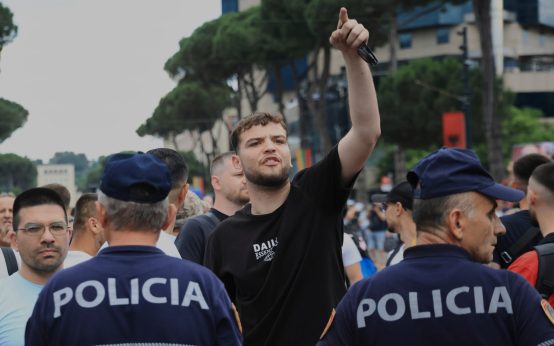 Protests Erupt in Albania Over Resort Development
 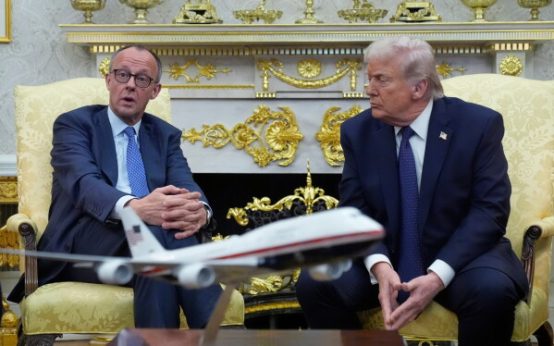 Clarity Sought on U.S. Troop Levels in Europe Amid Policy Changes
  Mount Sinai Health System Faces Subpoena on Gender-related Care
 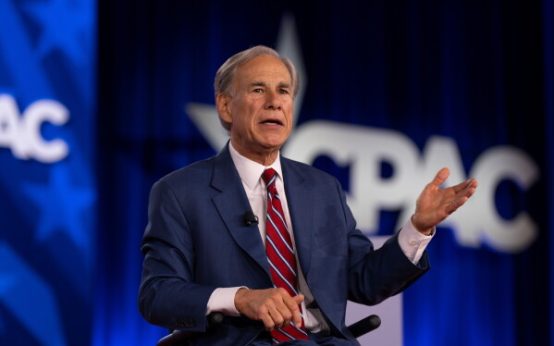 U.S. Military Awaits Pentagon’s Clarification on Troop Levels in Europe
  Potential Ebola Outbreak in Central Africa Raises Concerns of Rapid Spread
  U.S. and Allies Condemn Efforts to Overthrow Bolivian Government