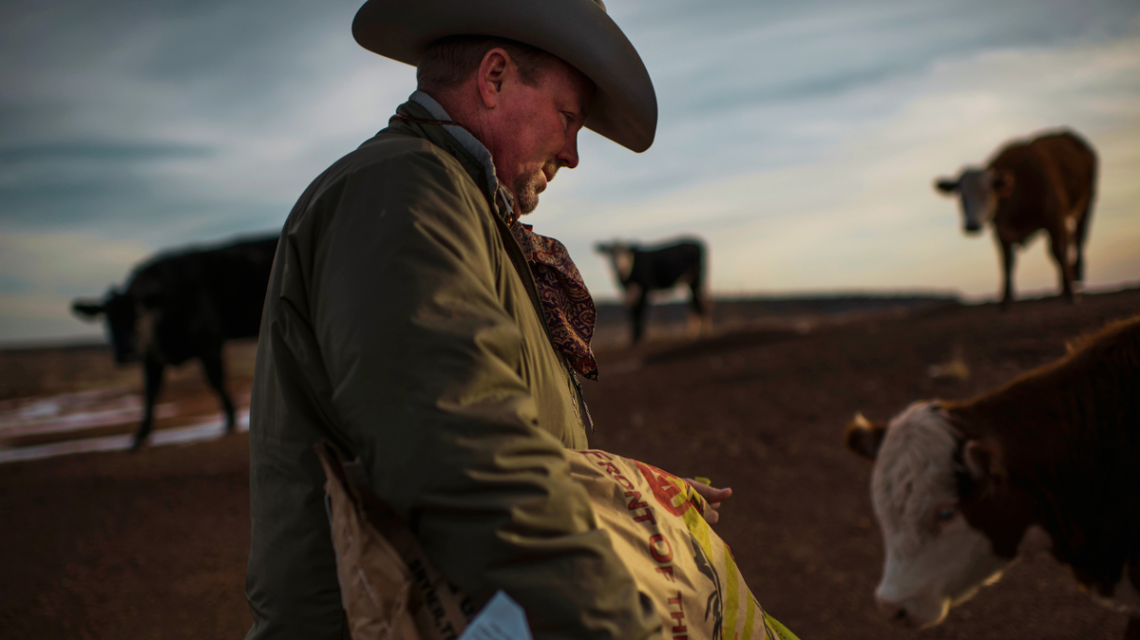
President Donald Trump has put forward a plan to import more beef in an effort to lower prices. However, cattle ranchers are raising concerns about a bigger issue: the influence of powerful meat packers. Will Harris, a fourth-generation cattleman who owns White Oak Pastures in Bluffton, Georgia, describes a system where meat packers consistently come out on top, often at the expense of everyone else involved in the process.
Harris’s farm oversees each phase of beef production, from raising livestock to processing and sales, which provides him with a deep understanding of price setting. This insight reveals the role of the ‘Big Four’ meat packers—Tyson, JBS, Cargill, and National Beef—in shaping the market. These companies handle about 85% of the grain-fattened animals destined to become consumer beef products, including steaks and roasts.
In the U.S. beef market, concentration of power among these few companies allows them to dictate processing, distribution, and pricing practices. As such, they can pay ranchers lower prices while charging consumers more. Harris explains that the introduction of inexpensive imported beef can further increase the packers’ profit margins.
Cole Bolton, a cattle rancher in Texas, shares this concern. He highlights the consistent issue of disparity between what the major packers pay and what ranchers receive. For over two decades, ranchers have navigated razor-thin profit margins, according to Bolton, who owns K&C Cattle Company.
Although some ranchers, like Bolton and Harris, acknowledge that Trump’s plan to temporarily increase beef imports from Argentina might provide short-term relief, they stress the importance of revitalizing local cattle production. Harris believes imports should serve as a temporary solution rather than a lasting fix. He emphasizes the need to rebuild the U.S. cattle industry, support American farmers, and maintain transparency regarding beef origins. To achieve long-term affordability, the focus should be on a robust domestic cattle sector, not permanent reliance on overseas beef supplies.
The U.S. cattle supply has reached its lowest point in over 70 years, with drought, costly feed, and an aging population of ranchers contributing to this decline. This has led to a significant reduction in herds. Bolton shares a simple yet earnest message for consumers: patience is necessary while herds are being rebuilt. The cattle industry has faced numerous challenges over recent years, spanning from economic instability to severe weather events, necessitating time and effort to overcome the current crisis.
 Judge Overturns Trump-Era Immigration Policies
  Lawsuits Against Federal Government Following Pennsylvania Rally Shooting
  New Jersey Struggles with Protests Near Immigration Detention Center
  Newark Scales Back Police Presence at Detention Center Protests
  Investigation into Bus Company’s Network and Safety Violations
  Inflation’s Rise Challenges Economists’ Claims