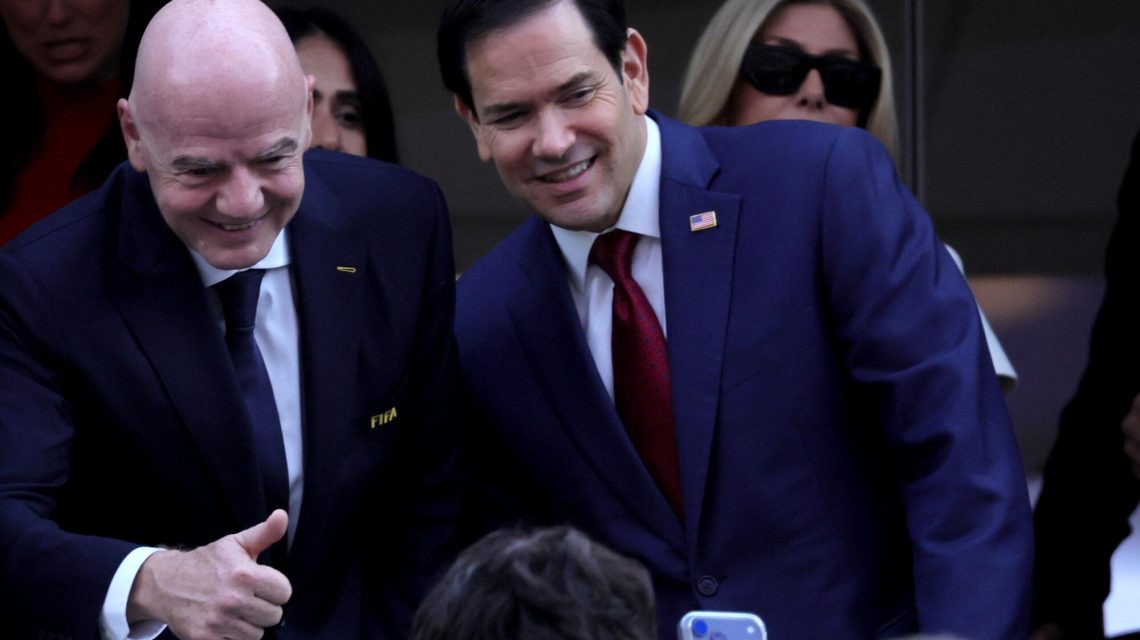
The origins: Jules Rimet, a French machine-gun officer during the First World War, envisioned an international soccer tournament as a means to unite nations with the aim of peace.
Current scenario: The event has evolved into a massive celebration, involving 48 nations. It is expected to generate around $8.9 billion in revenue. Three countries are hosting the event, with one having launched a war against another participating nation just months before the tournament.
The tension between the United States and Iran has created a complicated backdrop for the competition. Iran’s Team Melli faces travel restrictions and uncertainties not experienced by the other 47 teams. The team commutes between Southern California and its base in Tijuana, affecting their readiness for matches.
Despite these challenges, Team Melli remains poised to emerge from its group for the first time after a scoreless draw against Belgium, ranked tenth globally. This situation brings into question the tournament’s claim to be apolitical, while also raising concerns about how future events, like the Olympics in Los Angeles, will be managed.
Past tournaments in Russia and Qatar utilized relaxed visa regulations to accommodate teams and fans. In contrast, the U.S. State Department has suspended visa issuance for nationals from Iran, Haiti, Senegal, and Ivory Coast. Incidents like Iraq’s striker being questioned for nearly seven hours at Chicago’s O’Hare airport illustrate these issues.
“I think that united us even more,” said winger Alireza Jahanbakhsh. He spoke of the unity and character displayed by Team Melli, highlighting the impact of their situation.
Coach Amir Ghalenoei shared the difficulties faced by Iran, including six months in a state of war and a suspended domestic league. Visa problems and canceled matches further complicated their World Cup preparations.
The role of FIFA: FIFA, with a motto of ‘Football Unites the World,’ has done little to address these challenges. There have been no sanctions or repercussions for the situation, contrasting with previous actions like imposing fines for racist incidents or bans for teams violating regulations.
Ghalenoei expressed frustrations about travel arrangements, questioning why Iran couldn’t arrive earlier for matches. Such questions reflect the logistical and ethical challenges that should not arise at international sports events.
 New Zealand vs Egypt Game Update
  Cape Verde’s Dream World Cup Run: A Battle Against Uruguay
  Trump-Endorsed Candidate Nears Victory in Colombia Election
 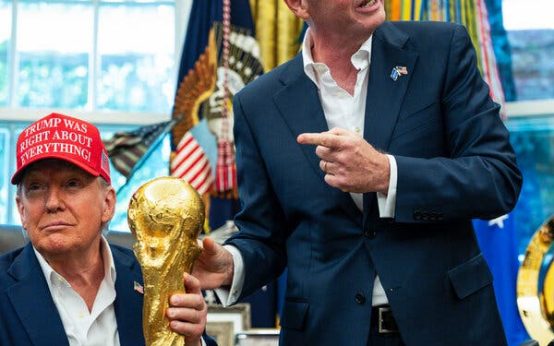 The Financial Impact of FIFA’s World Cup in the United States
 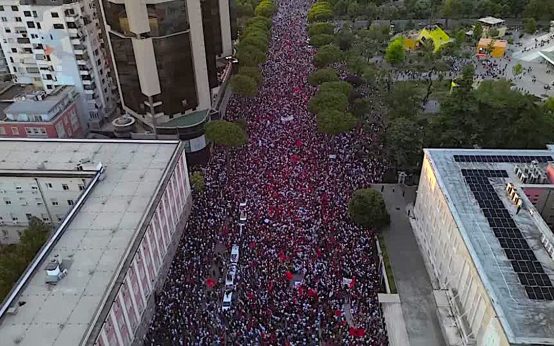 Albanians Demand Change Amid Corruption Allegations
  President Trump’s Announcement on UK Prime Minister’s Resignation