Younger millennials and older Gen-Zs often hear that they cannot afford homes due to frivolous spending like avocado toast. Yet, from 2015 to 2025, home prices in America nearly doubled, along with 30-year mortgage rates. A $175,000 starter home in 2015 required an $835 monthly mortgage payment. By 2025, that home would cost $350,000 with a $2,259 monthly payment. So, it’s less about spending on avocado toast.
In the same way, education policy debates sometimes blame school choice programs for state financial struggles. ProPublica suggested that Arizona’s choice program severely impacts the state budget. However, in most states, school choice programs like vouchers and tax credits comprise only 0.7% of total expenditures. In states with universal choice, this rises to about 1.3% of spending.
The perception that choice programs bankrupt states doesn’t hold up. Their total spending isn’t disproportionately large or rapidly increasing. These programs do not solely represent costs and often bring savings.
Arizona, with the largest per capita choice program, spent $882 million on it, translating to about 8% of its K-12 spending, 5.4% of state general fund spending, and just 1% of all public service spending. With 1.1 million K-12 public school students and 85,000 in the choice program by fiscal 2025, choice represented 7.6% of students yet used only 5.5% of dedicated funds. This indicates savings, not added expenses.
To pinpoint budget strains, one should examine K-12 public education. Nationally, per-pupil spending rose from $13,000 in 2015 to $19,000 in 2025, a 31% rise — 7% after inflation adjustment. Traditional public school spending, not choice programs, has driven budget pressures.
The allocation of funds is also a concern. The Phoenix Elementary School District’s student body shrank by 39% over seven years, yet staffing increased by 5%, largely in non-teaching roles as teacher numbers dropped by 7%. Similar trends affected Denver and Chicago, with more staff hired even as student numbers fell. Miami-Dade saw a 5% student decrease but a 1% staff increase.
Those defending current public education models attempt to fault school choice for inefficiencies. Yet, like young generations aren’t prevented from owning homes due to their spending on avocado toast, school choice programs aren’t the root of state budget issues.
Dr. Michael McShane, Director of National Research at EdChoice, advocates for empowering families to select the best educational environments for their children.
 Raising Bilingual Children: Strategies and Benefits
 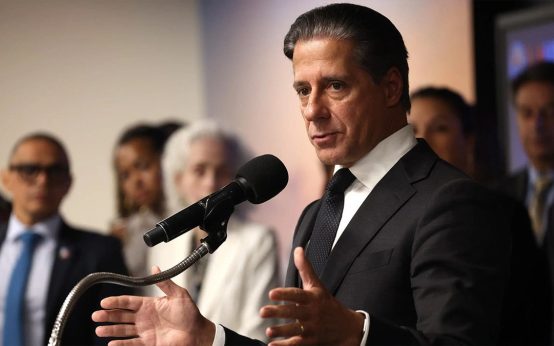 LAUSD Superintendent Resigns Amid Ongoing FBI Investigation
 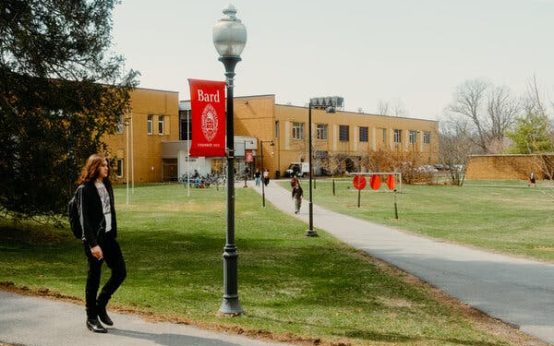 Graduation Ceremony Disrupted as Bard College President Faces Student Backlash
  Superintendent Alberto Carvalho Resigns Following FBI Investigation
 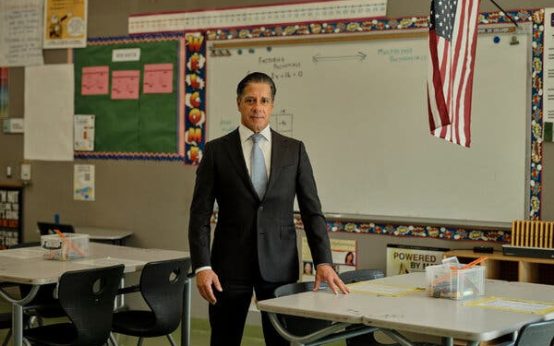 Superintendent Alberto Carvalho Resigns Amid Investigation
  New York City Council Seeks Pause on AI in Schools