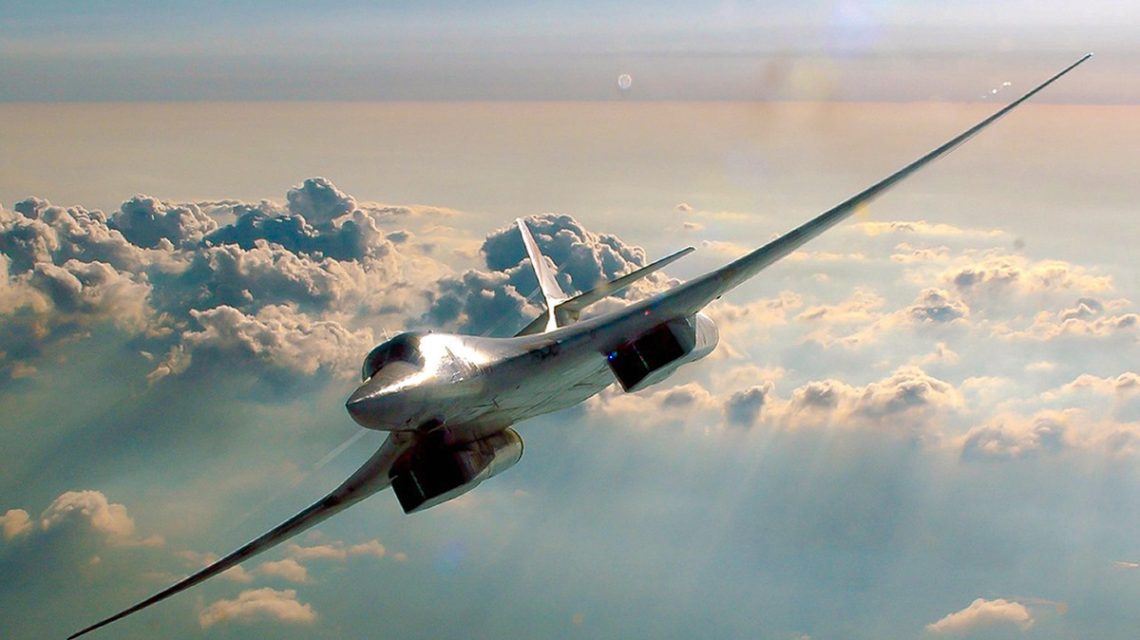
Two advanced NATO fighter jets shadowed Russian bombers capable of carrying long-range nuclear weapons during a scheduled training flight in the Arctic region. Moscow described this flight as routine, but such maneuvers often escalate tensions. Typically, NATO countries scramble jets when Russian aircraft approach alliance airspace. The proximity of nuclear-capable bombers to NATO territory is seen as a hint of aggression, especially in the Arctic. This region is under scrutiny due to increased activities by Russia and China.
Russia’s defense ministry reported that several Tu-160 supersonic bombers completed a practice mission over the Barents and Norwegian Seas. These strategic bombers were partnered with Russian MiG-31 fighter jets over a 16-hour journey through international airspace.
“At certain stages of the route, the strategic bombers were escorted by fighters from foreign countries,” the Russian government stated without specifying details.
A senior NATO military official confirmed to Newsweek that two Norwegian F-35s responded. Footage released by Russian authorities showed at least one F-35 alongside the Russian planes. Norway, a NATO member, operates over 50 F-35s, with some stationed at Evenes Air Station in northern Norway, overseeing the Norwegian and Barents Seas.
Norway shares a 120-mile land border with Russia. Norwegian territory ends near Russian military bases around Murmansk and Severomorsk, which host critically strategic nuclear submarines.
Norway maintains a “quick reaction alert,” ensuring two F-35s can scramble swiftly if unidentified aircraft are detected. The Norwegian military conducts about 40 of these missions annually on behalf of NATO. Their F-35s, American-made and fifth-generation, are among the most sophisticated jets in operation. Sixth-generation jets, which are still being developed, promise advanced radar evasion capabilities and improved systems, including drone integration.
About one-third of NATO’s member countries have acquired or ordered F-35s. The Arctic is notably affected by climate change, with melting ice opening new routes for both military and civilian purposes. Although Russia dominates Arctic operations, most of the eight Arctic states are NATO members. Russia has a long history of thriving in Arctic conditions, with cities that accommodate civilians alongside military bases. Moscow has been reopening Soviet-era bases and constructing new facilities, and China has labeled itself a “near Arctic” state.
 Norway’s Resurgence in the World Cup Spotlight
  Operation Planned to Recover Victim from Mount Everest
  Iran-US Negotiations and Diplomatic Developments
  Democratic Primaries and Global Affairs: Key Updates
 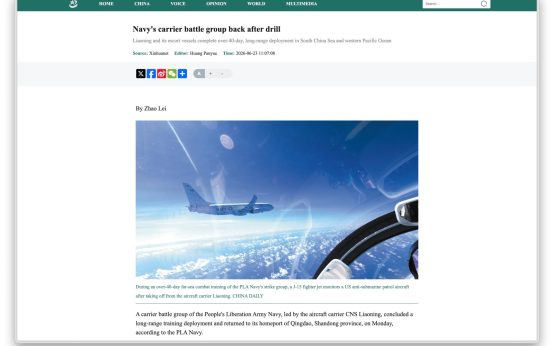 Close Encounter Between Chinese and Japanese Forces in the Western Pacific
  Heat Wave Causes Drownings and Fatalities in France