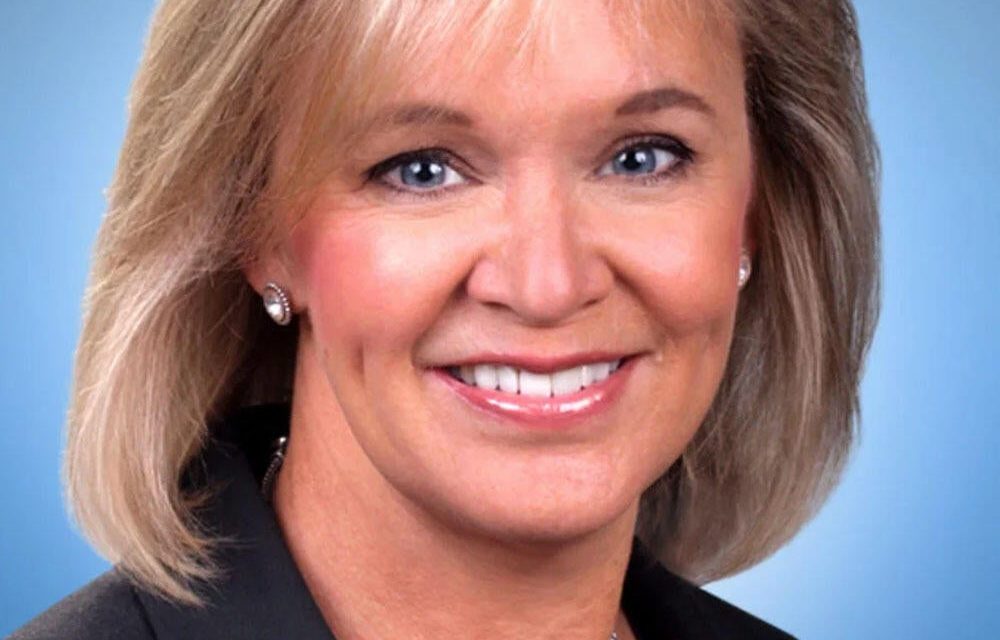
The Colorado Democratic Party’s central committee voted decisively to censure Governor Jared Polis. The vote reflected substantial disapproval, with 89.8% supporting the measure. Censure restricts Polis from speaking at party-sponsored events temporarily.
Gov. Polis attributed the petition, initiated by numerous Democrats advocating for action, to political motives. This petition emerged as a reaction to Polis’s decision to commute the sentence of Tina Peters, a former Mesa County Clerk. Peters was sentenced to nearly nine years for her involvement in electoral equipment tampering, motivated by claims of unsubstantiated fraud. Polis reduced her sentence by half, potentially allowing parole from June 1.
Governor’s Justification
Governor Polis defended his decision, stating he acted based on available information. He noted that reviewing similar public corruption cases revealed lesser penalties, mostly probation or a six-month sentence. He emphasized, “In nearly every case we saw probation, we saw 6 months.” According to Polis, the severity of Peters’ sentencing was influenced more by her words than deeds, a concern echoed by the appellate court.
Mesa County District Attorney Dan Rubenstein challenged this view. He argued that Peters’ behavior constituted a sustained deceptive pattern, breaching security protocols. Despite even the governor’s clemency board advising against commutation, Rubenstein added that Peters could have faced a 20-year sentence.
The governor maintained he prioritized input from thousands of Coloradans, basing decisions on perceived correctness. Rubenstein criticized, “That’s not humility, that’s arrogance — to believe that your judgment should substitute those of others.”
Democratic Party’s Stance
The Democrats advocating for censure claimed Polis’s actions diverged from the party’s dedication to democracy. Governor Polis asserted a commitment to the democratic mission. “It’s caught up in the zeitgeist of the partisan divide which is a horrific thing,” Polis remarked.
Rubenstein conveyed readiness to accept a four-and-a-half-year sentence if imposed by the judge familiar with local implications. Though Polis hadn’t spoken to Peters before deciding, he noted her remorse and accountability in clemency appeals.
The Colorado Democratic Party stated Peters’ conviction by peers and sentencing reaffirms justice. District Attorney Rubenstein branded any sentence reduction “a gross injustice.” His argument condemned reducing pressure from Donald Trump’s influence, potentially inviting future electoral misconduct.
The Colorado Democratic Party released a statement criticizing Governor Polis’s clemency decision. Censure emphasized diminished credibility within the party and hindered efforts to uphold democratic institutions, election integrity, and public accountability.
Party Communication
The Colorado Democratic Party insisted that the clemency action didn’t align with party values or commitments. It reaffirmed dedication to election workers, fair processes, and rejecting election denialism and disinformation. Recognition followed for those Democrats who acted swiftly to defend democracy.
Governor Polis’s exclusion from events persists until further central or executive committee action. He remains uninvited to major occasions like the Obama Gala and DemFest.
 Justice Department Withdraws Plan for $1.8 Billion Fund
 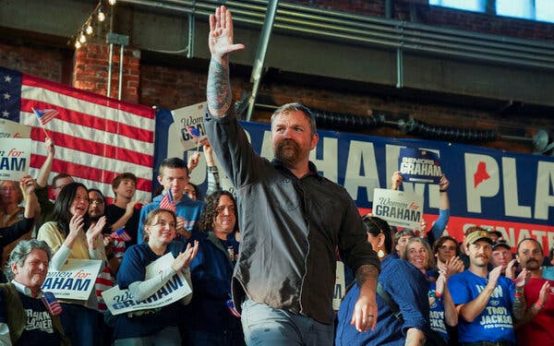 Democratic Concerns Grow Ahead of Maine Senate Primary
  Latin American Deportees in Congo: Return to Home Countries Amid Challenges
  Federal Judge Invalidates Trump-Era Immigration Policy
  Debate Over White House Ballroom Construction
  Scrutiny Surrounds Graham Platner Amid Maine Senate Primary