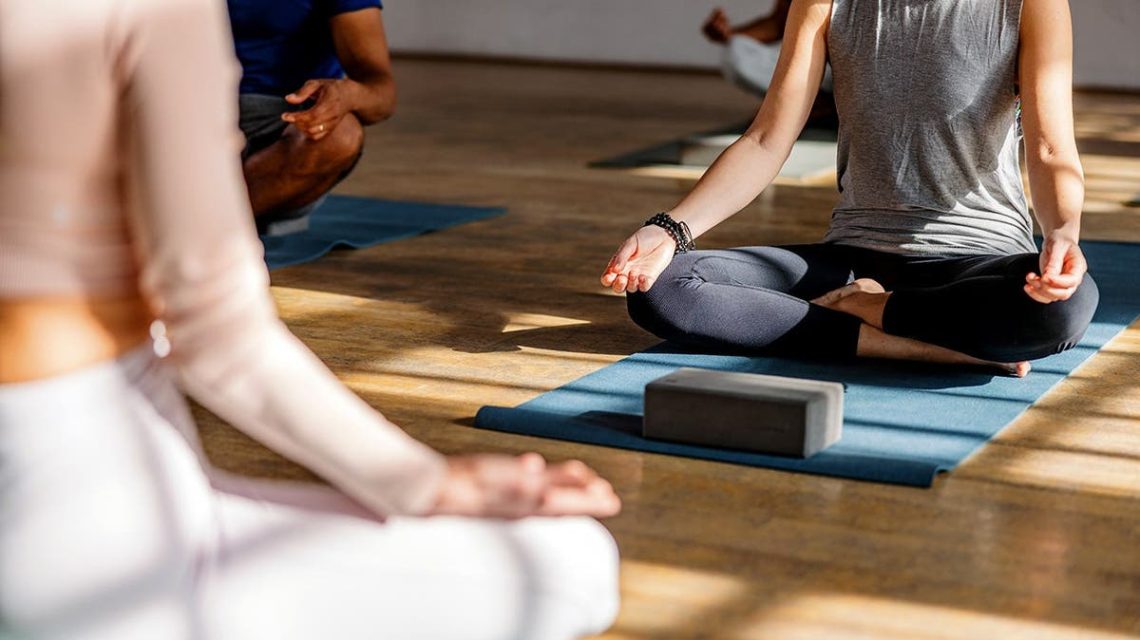
Surviving cancer can be accompanied by ongoing physical and emotional challenges. A clinical trial indicated that yoga could help alleviate insomnia, fatigue, and mood disturbances, common issues for many survivors.
Enduring Side Effects
Insomnia and mood disturbances are widespread and persistent side effects for cancer survivors. These symptoms often affect their daily lives significantly. The Journal of Clinical Oncology highlights these concerns and stresses their impact on everyday functioning.
Yoga as a Solution
The National Cancer Institute funded a study comparing 204 survivors receiving standard care alone with 206 who combined standard care with the Yoga for Cancer Survivors (YOCAS) program. Most participants were female breast cancer survivors. YOCAS is a four-week program involving hatha and restorative yoga. These gentle forms focus on slow movements, breathing, and mindfulness.
The YOCAS group practiced yoga for 180 minutes weekly, reporting improvements in mood, anxiety, and fatigue. These changes suggest that yoga could offer a non-pharmaceutical means to address these challenges, as noted by Dr. Fumiko Chino of MD Anderson Cancer Center.
Expert Opinions
Timothy Pearman, Ph.D., from the Robert H. Lurie Comprehensive Cancer Center, supported these findings, noting that yoga is extensively studied for its benefits on cancer-related fatigue and mood. His wife, a yoga teacher, received specialized training for cancer patients at Duke University’s integrative medicine program.
Yoga is adaptable, allowing even those with physical limitations to partake. Pearman emphasized its affordability, needing only a mat and guidance.
Broader Benefits
Yoga can also aid in mitigating other cancer treatment-related issues, such as osteoporosis and stamina problems. Regular yoga classes proved beneficial in reducing anxiety and fatigue, as indicated by the study.
Shari Botwin, a clinical social worker and thyroid cancer survivor, found yoga transformative. She noted that it offers a supportive community, aiding those dealing with emotional challenges like survivor’s guilt. It promotes self-compassion, diminishing feelings of shame.
Exercise and Community
Pearman recommends survivors engage in exercises they enjoyed before their diagnosis. Numerous non-profits offer free yoga classes specifically for survivors, facilitating a community of understanding peers.
 Ebola Outbreak in Africa: A Serious Concern
  Gold and the Ebola Outbreak in Congo’s Mining Towns
  House Passes Bill for Veterans’ Benefit Increase
  Gene Editing in Human Embryos at Columbia University
  Melinda French Gates Commits $215 Million for Global Women’s Health
  Impact of Reduced Public Health Authority Post-COVID-19