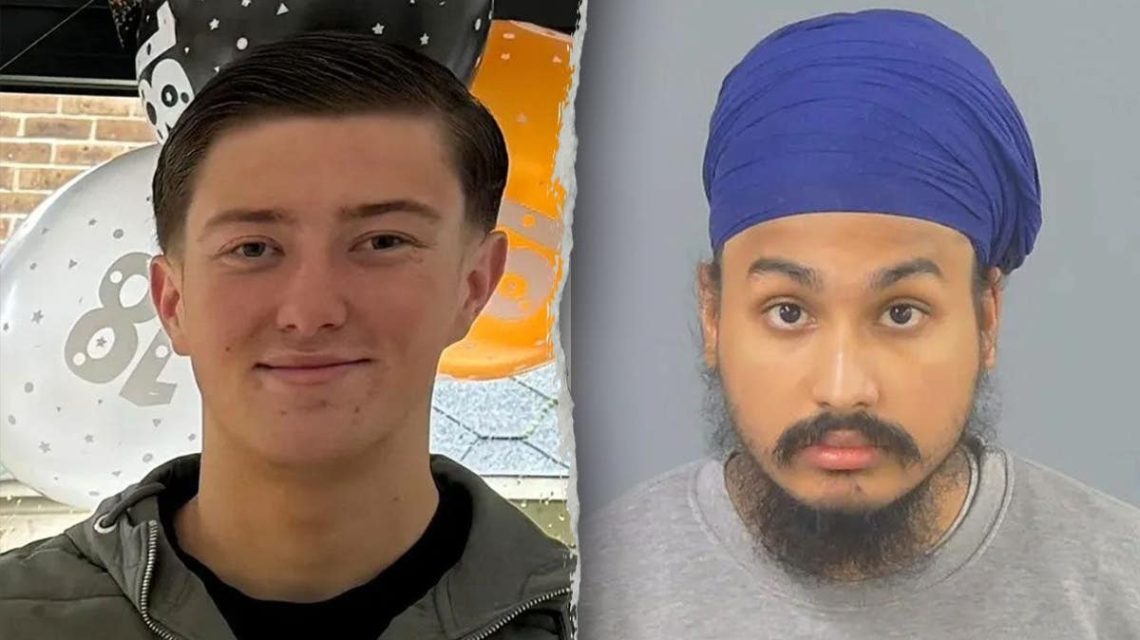
The fatal stabbing of a student named Henry Nowak in Southampton, England has led to protests and public discontent. Reports indicate that Nowak, an 18-year-old college student, was killed by Vikram Digwa, who wielded an eight-inch ceremonial knife. Both the American and British media largely ignored this case, despite its severe implications.
Comparative Analysis with Past Incidents
Observers draw parallels between Nowak’s tragedy and earlier high-profile cases like Trayvon Martin. In 2012, Martin, aged 17, was shot and killed in Florida. Following the trial of Martin’s case, then-President Barack Obama remarked, “this could have been my son.” Nowak’s case, though similar in its tragedy, went relatively unnoticed in the media, which raises questions about the underlying factors influencing media coverage.
Concerns About Police Response and Bias
Public opinion in Britain suggests that police response to Nowak’s murder was ineffective, attributing it to possible bias. There is a belief that current policing approaches are too focused on racial and gender sensitivities, leading to compromised responses in critical circumstances. Chris Philp, a Conservative Party member, highlighted this issue, pointing out that police were more concerned about accusations of racism than helping Nowak.
Demographic and Social Changes
The UK has experienced significant demographic changes, with the “White British” population percentage declining over recent decades. This shift coincides with a cultural transformation, characterized by heightened sensitivity toward racial and gender issues. Britain’s stringent stance on speech, freedom of expression, and its effects on policing have exacerbated public concern. For example, there were 12,183 arrests for offensive online messages reported in 2023.
High-Profile Cases and Public Perception
Instances like the case of Valdo Calocane, who stabbed several people, further compound the perception of biased law enforcement. Concerns arise about the overrepresentation of certain demographic groups in criminal detention, influencing decisions about care and intervention. Public criticism includes views of “two-tier” policing where indigenous British and conservatives feel unfair treatment compared to other groups.
Political Repercussions and Criticisms
The controversy also affects political figures. Prime Minister Keir Starmer, criticized for perceived double standards, is often nicknamed “Two-Tier Keir” by opponents. As leader of the Labor Party, he showed public support for the Black Lives Matter movement, while also facing criticism for his stance on various speech-related legal matters. Notably, Nigel Farage accuses Starmer of imposing stringent penalties on right-wing speech compared to leniency toward the far-left.
Without concerted effort to address equity initiatives and ensure equal treatment, the incumbent Labor government could face mounting challenges. Public trust in institutions may wane if perceived disparities in justice persist.
 U.S. Pushes for UN Reform Amid Financial and Structural Challenges
  Putin Faces Changing World at Economic Forum in St. Petersburg
  Israeli Strike Escalates Tensions in Lebanon
  Pope Leo XIV’s Call for Unity Amidst Spain’s Political Turmoil
  Ukrainian Drone Attack Highlights St. Petersburg’s Vulnerability
  Gen Z Movement Pushes for Government Accountability in India