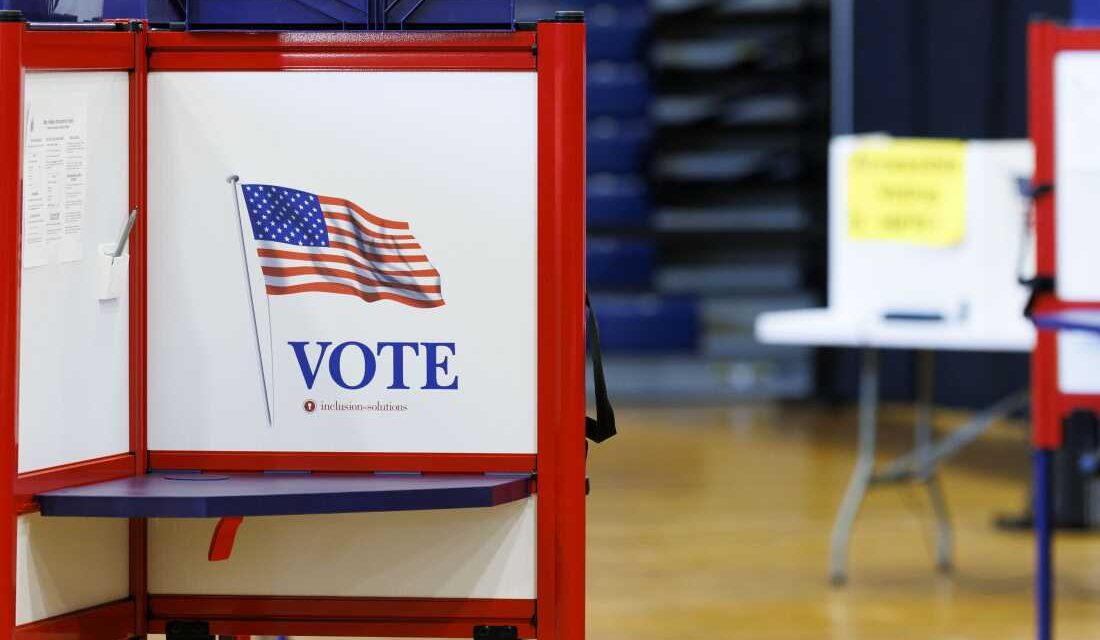
A U.S. federal judge has deemed a Trump administration project designed to aggregate personal data for voter eligibility checks as unlawful. This ruling on Monday determines that the tool cannot continue in its existing form.
Data Tool SAVE Under Scrutiny
The initiative, known as SAVE, faced overhaul under the Trump administration. Although meant to pinpoint potential noncitizens and deceased voters, it erroneously flagged many American citizens, particularly foreign-born. Judge Sparkle Sooknanan declared that the government infringed upon privacy rights, an act threatening the foundational right to vote.
A significant change made by U.S. Citizenship and Immigration Services, under the Department of Homeland Security, allowed SAVE to perform bulk data checks rather than individual assessments. The revamp linked it to Social Security Administration data, extending coverage to American-born citizens. The court ruling emphasized that millions of private data entries were mishandled, rendering the system unreliable.
Political and Legal Pushback
The Trump administration prioritized SAVE in its voter monitoring goals. An executive order on March 31 authorized using SAVE to compile a list of eligible U.S. voters in each state. However, legal challenges aim to stop the execution of this order. Previously, in March 2025, a suspended order required free access to verification tools for checking voter status.
Impact and Reaction
As per Matthew Tragesser, a former USCIS spokesperson, the modified SAVE system screened the records of over 60 million voters. Only 21,000, less than 1%, were flagged incorrectly as potential noncitizens. The focus on preventing noncitizen voting persists despite its rarity.
The decision represents a major victory for voters. Marcia Johnson from the League of Women Voters commended the ruling. She voiced concerns that federal databases facilitating voter purges compromise democracy.
Despite the outcry and tens of thousands of negative public responses, no plan modifications were implemented by DHS or SSA. Lawyers argue that the ruling aligns with the public’s concerns over SAVE’s unreliability.
Instances of Misjudgment
Individuals like Anthony Nel, a U.S. citizen of South African origin, were wrongly flagged. Nel lost his voter registration status in Texas as a result. Instances show SAVE’s limitations in verifying certain foreign-born citizens.
The federal agencies could appeal the decision. However, the ruling underscored statutory violations, emphasizing the need for congressional authorization for such an overhaul.
 Trump’s Allegations on Lincoln Memorial Reflecting Pool Vandalism
  Elon Musk Contemplates Legal Action Against Rep. Ro Khanna
  Federal Judge Blocks Trump Administration Subpoenas in Minnesota
  A Decade of Political Turmoil in Post-Brexit Britain
  Ethics Concerns Raised by ScottsMiracle-Gro’s White House Donation
  Congressman Faces Backlash Over Coffee Shop Visit Amid Israel Support Debate