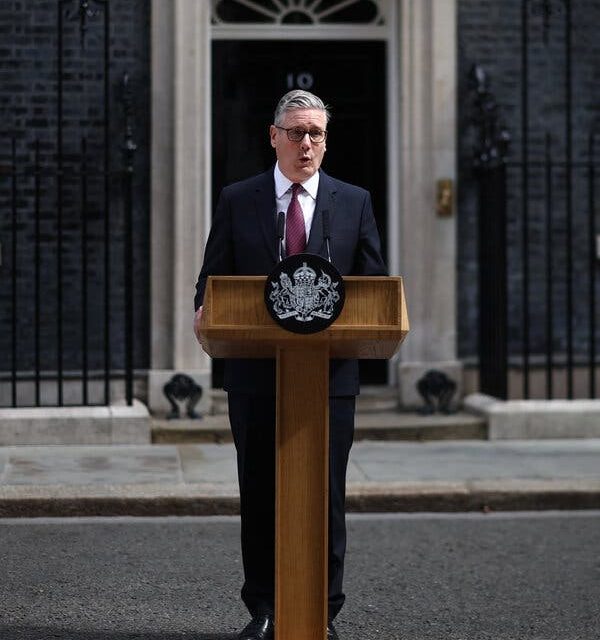
Ten years ago this week, I woke up in southeast London to learn that Britain had voted for Brexit. My oldest daughter, who was then 7, asked me what Brexit was. I explained that Britain would be leaving Europe. She was perplexed and asked, “Where do they want to go? Africa?”
This marked the beginning of a period of political upheaval that shows no signs of abating. Yesterday, the sixth prime minister since Brexit resigned. Keir Starmer, who secured a significant electoral victory less than two years ago, has lost the confidence of both voters and party officials.
The individual positioned to assume leadership is charismatic, well-liked, and hails from a humble background in northern England. However, the question remains: is that sufficient? Today, I discuss how Britain’s economic challenges, exacerbated by the exit from the E.U., are substantial enough that merely changing leaders will not resolve them.
Ten Years, Six Prime Ministers
Signs of change have been evident for some time. The right-wing populist Reform U.K. party, led by Nigel Farage, the architect of Brexit, surpassed the Labour Party in opinion polls more than a year ago. They went on to defeat Labour in various local elections throughout England. Calls for Starmer’s resignation have been non-stop.
On Monday, he officially stepped down. This development is quite extraordinary for a politician whose party achieved one of the largest parliamentary majorities in the postwar era just two years prior.
 Court Blocks Trump Administration’s SAVE Data Tool for Voter Checks
  Federal Judge Blocks Trump Administration Subpoenas in Minnesota
  Ethics Concerns Raised by ScottsMiracle-Gro’s White House Donation
 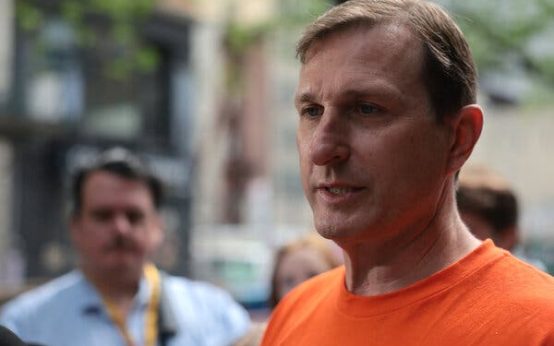 Congressman Faces Backlash Over Coffee Shop Visit Amid Israel Support Debate
 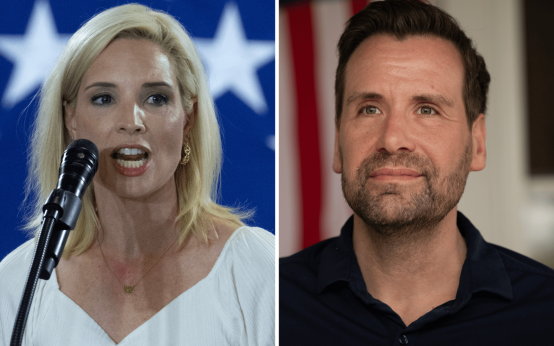 Iowa Senate Candidate Josh Turek Leads in Polls Against Ashley Hinson
  Judge Blocks Federal Voter Database Initiative