
Eight crested ibises have been reintroduced into the wild in a Japanese town decades after their extinction in the country. The release took place on Sunday in Hakui city, located in the Noto region, where these birds were last observed in their natural habitat. Residents expressed their joy as the birds took flight when Crown Prince Akishino, his wife Kiko, and other officials ceremonially opened their cages.
The eight ibises were nurtured at a conservation center on Sado Island in Niigata prefecture, thanks to a successful captive-breeding program. An additional ten birds are scheduled for future release. In Japan, these birds are known as Toki and are appreciated for the orange-pink hues under their wings and striking red marks around their eyes. Native to East Asia, these ibises vanished from Honshu island in the 1970s due to overhunting and environmental issues. The last native Japanese ibis passed away in 2003 on Sado Island.
China played a crucial role in reviving the ibis population through breeding initiatives. In 1999, a pair of ibises donated from China led to the birth of the first crested ibis chick in captivity in Japan, according to the Environment Ministry. Since then, ongoing breeding and conservation efforts have gradually restored the ibis population. In 2008, ten ibises raised at the Sado conservation center were released into the wild on the island. Their numbers have since grown to about 500.
The recent release of the ibises is considered a hopeful sign for the Noto region, which continues to recover from the devastating 2024 earthquake.
 Confronting the Truth Behind Sustainability Buzzwords in the Food Industry
  The Aftermath of Santa Rosa Island’s Fire
  Largest Seizure of Illegal Cockroaches in Australia
 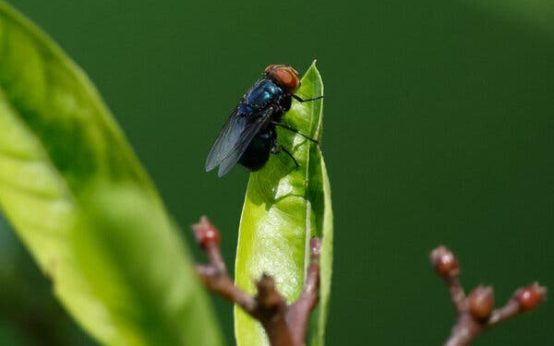 Flesh-Eating Fly Returns to the United States Causing Concern
 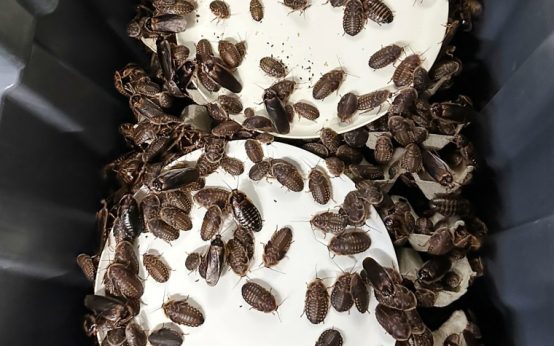 Australia’s Largest Seizure of Exotic Invertebrates: Over 100,000 Cockroaches Confiscated
 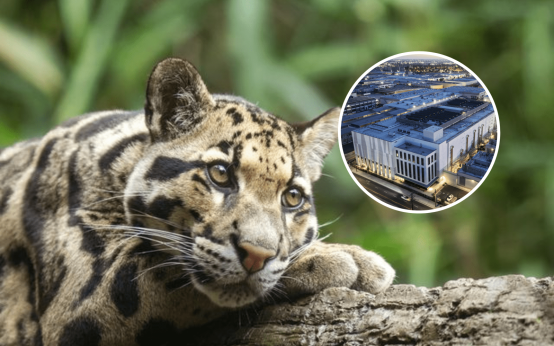 Controversy Surrounds Proposed Nashville Data Center Near Zoo