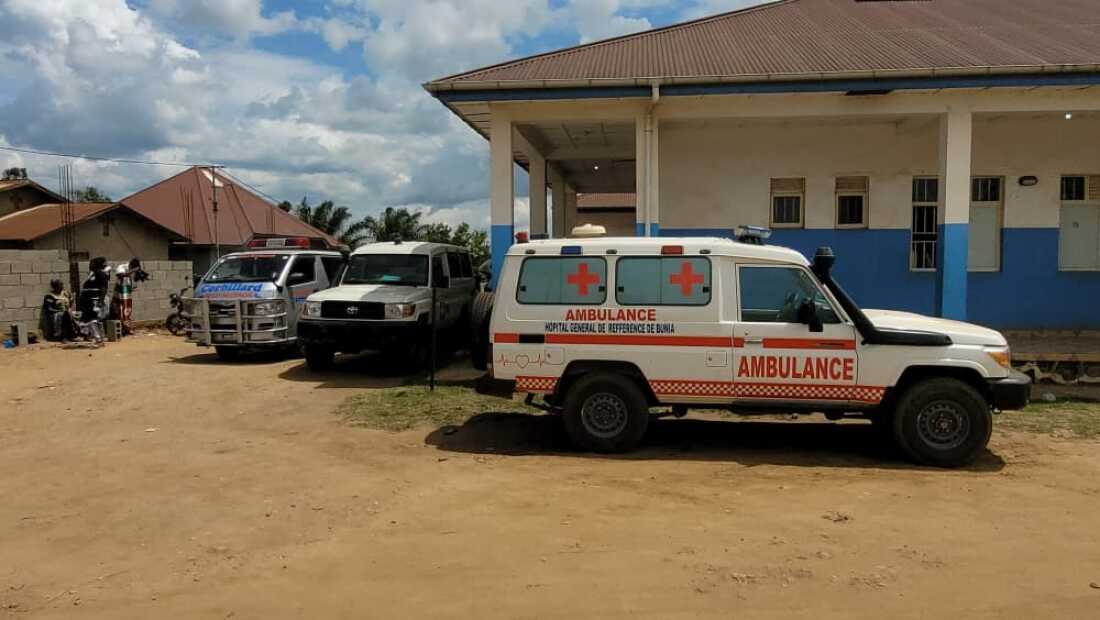
The World Health Organization (WHO) declared a new outbreak of Ebola in the Democratic Republic of Congo (DRC) and Uganda as a “public health emergency of international concern.” Despite the declaration, WHO Director-General Tedros Adhanom Ghebreyesus clarified that it “does not meet the criteria of a pandemic emergency” and advised against closing borders.
The outbreak emerged in DRC’s eastern Ituri province and already counts hundreds of suspected cases, with one case crossing into Uganda. According to the Africa Centres for Disease Control and Prevention, this virus strain lacks a vaccine.
Transmission and Symptoms
Ebola spreads through blood, bodily fluids, and contaminated surfaces. Symptoms include fever, body pain, weakness, vomiting, and occasionally bleeding. Health officials trace the outbreak to late April, with initial cases found in Mongbwalu and Rwampara, two DRC mining towns with frequent population movements.
Current Status
The outbreak currently involves 10 confirmed cases, 336 suspected cases, including 88 deaths in DRC, and two confirmed cases with one death in Uganda. According to the U.S. Centers for Disease Control and Prevention (CDC), risks to the American public are low. CDC officials emphasize urgent coordination with interagency partners to manage the outbreak and prevent Ebola’s spread.
Numerous CDC staff are positioned in DRC, with more expected soon. The organization collaborates with local entities to facilitate the safe withdrawal of Americans directly affected. Africa CDC spearheads regional efforts to mitigate the disease’s spread beyond current borders.
Challenges and Precautions
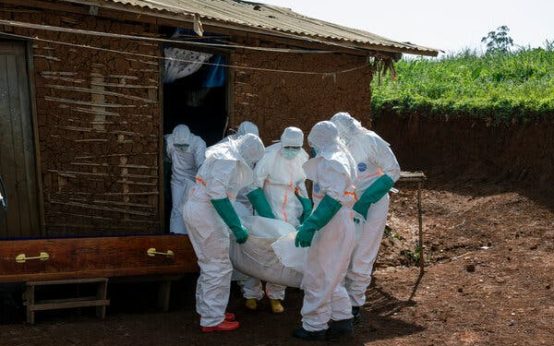
Dr. Jean Kaseya of Africa CDC described the scenario involving a 59-year-old Congolese man who traveled to Uganda, interacted with the community, and died in a hospital. His body was, however, returned to DRC for burial, elevating concerns about exposure and transmission.
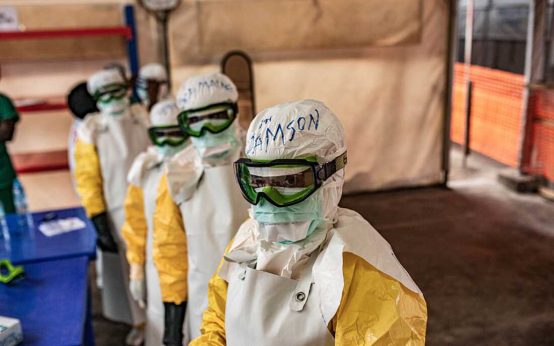
Given Ebola’s high transmissibility, experts urge healthcare workers to use protective gear, including head coverings, goggles, masks, gloves, gowns, and rubber boots. Despite the actions taken, Kaseya admitted the lack of local PPE manufacturing poses a challenge, demanding urgent funding solutions.
Understanding the Virus
The current outbreak involves the rare Bundibugyo strain. Past encounters with this strain were limited, complicating rapid diagnostics. Expert Boghuma Titanji noted transmissions likely began before detection, causing a delayed response.
No vaccine or treatment exists yet for this strain, but an experimental vaccine candidate has emerged, and early tests show a 50% efficacy rate in monkeys. Human trials have not yet begun.
Africa CDC remains active in enhancing cross-border checks and improving outbreak preparedness and responses, collaborating with health organizations, nonprofits, and pharmaceutical companies.
Learnings from Past Outbreaks
Dr. Craig Spencer highlighted on social media the size and complexity of the outbreak, emphasizing the challenge in identifying contacts due to delays in recognition. The Ebola outbreak between 2014 and 2016 emphasizes vigilance, as 28,600 infections and 11,325 deaths occurred. It started in Guinea, spreading to Sierra Leone, Liberia, and beyond.
 Researchers Escorted Out of Diabetes Conference for Criticizing Trump Administration
  Ebola Outbreak in Africa: A Serious Concern
  Gold and the Ebola Outbreak in Congo’s Mining Towns
  House Passes Bill for Veterans’ Benefit Increase
  Gene Editing in Human Embryos at Columbia University
  Melinda French Gates Commits $215 Million for Global Women’s Health