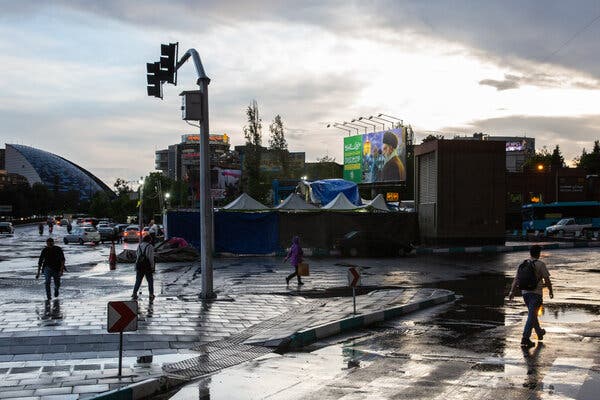
The conflict in Iran has severely impacted the nation, leading to feelings of disillusionment and despair among its citizens. Many Iranians hoped for positive change following the February attacks by Israel and the United States. However, the aftermath has been devastating.
The death toll has reached 1,700 civilians, and the economic situation is dire. Rampant inflation and the destruction of infrastructure have made daily life increasingly difficult. The hope for regime change has diminished, replaced by widespread hopelessness.
A fragile cease-fire has provided temporary relief from bombings. Yet, tension remains high. Iran’s recent missile attacks on Israel have threatened to reignite conflict, raising fears of retaliation. Officials point to Israeli military actions in Lebanon as justification, further escalating the situation.
Economic challenges compound the crisis. Prices of essential goods have soared, critically affecting everyday life. The Strait of Hormuz, vital for Iran’s oil exports, faces effective closure. This blockade has devastated the economy, pushing it further into turmoil.
The uncertainty of peace talks adds to the frustration. Inconsistent communication from the U.S. suggests the war’s end when conflict continues. This situation has left Iranians anxious and confused.
A 25-year-old designer named Kimia from Tehran expressed her frustration, saying, “I’m angry. I feel alone. We don’t matter to the world at all; we’re only seen as tools for war and negotiation, while we are human beings.” Her words reflect a widespread sentiment among Iranians, highlighting their emotional turmoil in these challenging times.
 Brazil and Haiti Clash in World Cup Group C Match
  World Cup Soccer Highlights and Updates
  World Cup Soccer: Key Highlights from Recent Matches
  World Cup Highlights: U.S. and Scotland Matches in Focus
  U.S. Men’s National Team Advances in World Cup with 2-0 Win Over Australia
 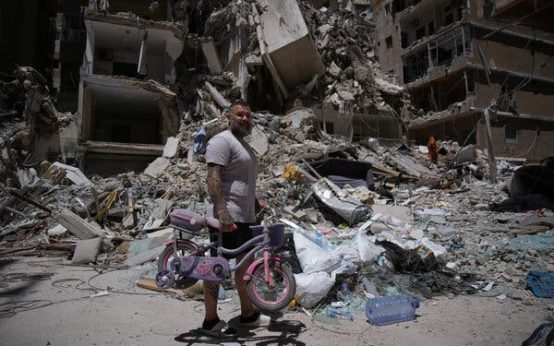 U.S. and Iran Cease-Fire Faces Skepticism Amid Israeli Concerns