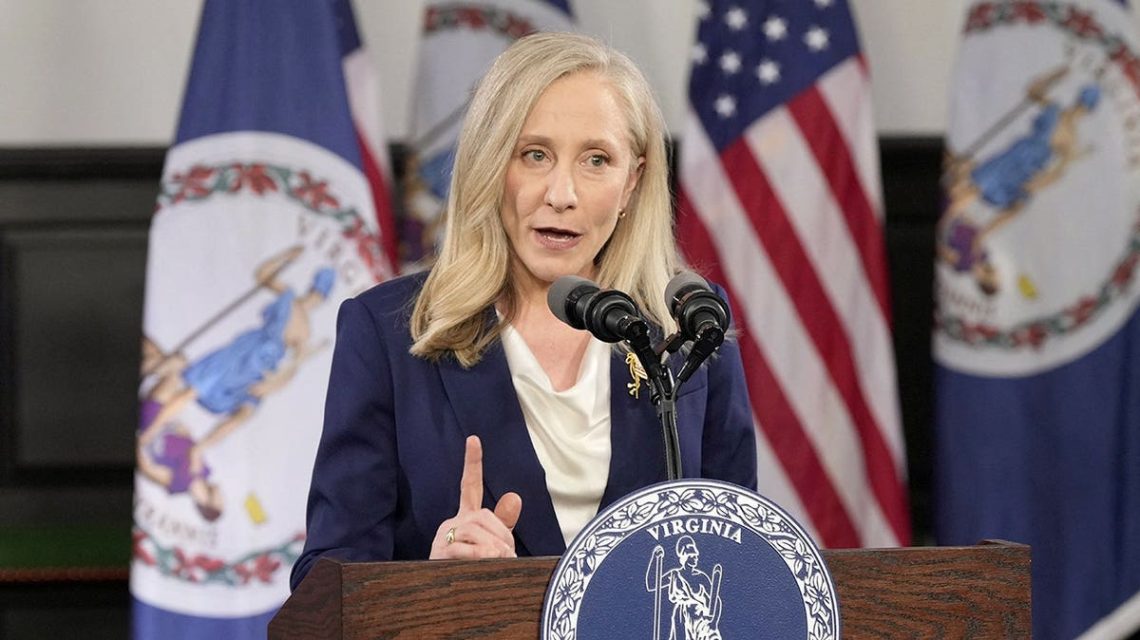
Virginia’s move towards increased taxes and regulations is sparking a significant economic competition between states. West Virginia Governor Patrick Morrisey is actively working to attract businesses and workers from Virginia, highlighting the differences in their economic policies.
Governor Morrisey is targeting areas in Virginia, particularly Loudoun County, to showcase West Virginia’s lower taxes and fewer regulations, which he argues are more favorable to businesses. “We’re planning to spend time in Virginia, emphasizing the different paths our states are taking,” Morrisey stated while announcing a new commercial tax district that aims to inject $200 million into West Virginia’s economy.
The announcement took place at the 275-acre Tabler Station project, which underscores West Virginia’s strategic initiatives. The area is noteworthy for its apple industry, as well as significant industrial sites like a well-known Clorox facility, where job opportunities are actively advertised.
Morrisey, supported by a strong GOP presence in the state legislature, underscores that West Virginia is “open for business.” He cites Berkeley and Jefferson counties as exemplars for business and tourism in the region, poised to benefit from lower tax alternatives compared to Virginia and Maryland.
The governor noted demographic shifts, with Washington, D.C.-area workers relocating to West Virginia’s Eastern Panhandle despite longer commutes. Morrisey’s administration is encouraging regional economic growth, supported by a recent 5% income tax cut.
In contrast, Virginia, under Governor Abigail Spanberger, is experiencing policies leading to increased regulatory burdens. Although not all proposals reach her desk, approved measures include a minimum wage hike and increased payroll contributions. Spanberger is focused on her own state’s economic growth strategy, with tours across Virginia to promote community collaboration on economic development.
Legislator Jason Barrett, representing Martinsburg, has introduced economic strategies that involve creating special tax districts to redistribute state revenue to local counties without negatively impacting the state budget. This legislation facilitates the establishment of multiple economic districts across West Virginia.
Governor Morrisey aims to further capitalize on cross-state differences, planning additional presence and initiatives in the borderlands with Virginia. He reports projected job growth of 12,000 positions within the past six months, bolstered by substantial private investment.
Amid these developments, Governor Spanberger remains focused on uniting communities around a forward-thinking economic agenda, highlighting her administration’s efforts in Harrisonburg and Fairfax to foster economic integration and development.
While parts of West Virginia still face economic challenges, particularly in energy, the state has managed population growth and revenue increase, allowing substantial tax reductions that further differentiate it from Virginia’s current tax trajectory.
 Latin American Deportees in Congo: Return to Home Countries Amid Challenges
 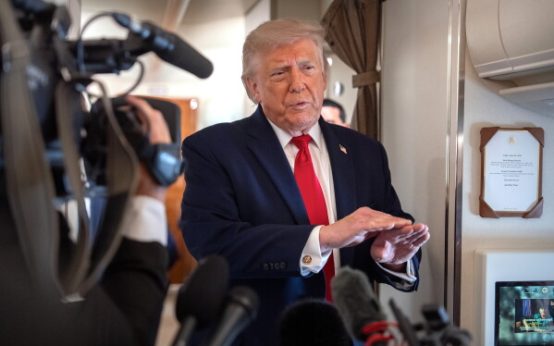 Federal Judge Invalidates Trump-Era Immigration Policy
 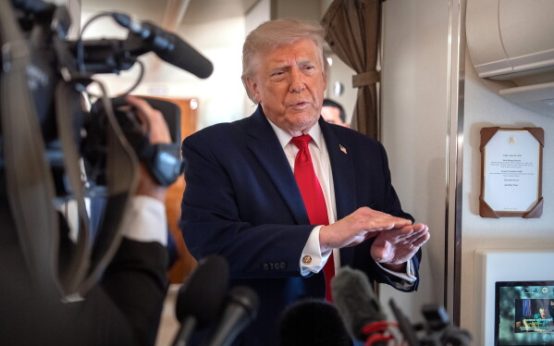 Debate Over White House Ballroom Construction
 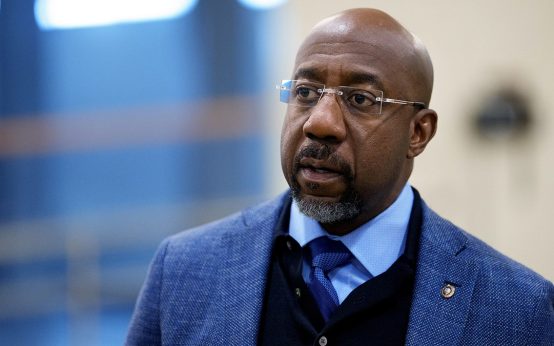 Scrutiny Surrounds Graham Platner Amid Maine Senate Primary
  Trump’s Attendance at NBA Finals Sparks Mixed Reactions
  Graham Platner’s Controversial Senate Campaign in Maine