
Artificial intelligence often polarizes opinions. In the United States, many are wary of A.I., contrasting with global sentiments where A.I. is viewed more positively. This is surprising given America’s position as a leader in technology adoption.
Many in the tech industry argue that American skepticism stems from misinformation. They see media narratives as driving fear and suggest that better communication could change perceptions. However, this explanation does not hold up against broader analysis.
Understanding Global Sentiments
Looking at the global perspective, countries with lower incomes show greater optimism towards A.I. In a study of 24,000 adults in 30 countries, respondents from Indonesia (76%), Thailand (77%), and Mexico (63%) expressed positive views on A.I. On the other hand, wealthier nations such as the United States, the Netherlands, and Belgium demonstrate more skepticism.
Economic Contexts Influence Perceptions
The economic structure of a country plays a significant role in shaping attitudes towards A.I. In less formal economies, where many work without contracts or legal protection, people see A.I. as an opportunity for upward mobility. A street vendor in Jakarta or a manufacturer in Guadalajara may benefit from technological advances without fearing displacement.
Conversely, in wealthier nations with established labor markets, the fear is loss. Those in stable jobs worry A.I. will undermine their employment and diminish their professional achievements. For them, A.I. represents uncertainty rather than opportunity.
This divergence in perception underscores the complex relationship between economic security and technological advancement. It highlights the varying expectations and fears that accompany A.I.’s integration into daily life across different economic contexts.
 Trump’s Plan for AI Company Stakes
 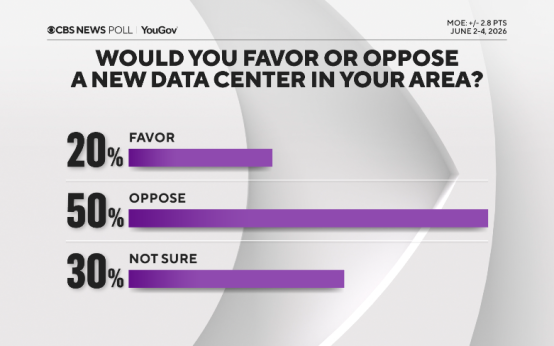 American Views on Local Data Centers
  Protecting Against Impostor Bank Scams: Key Insights
  FCC Proposal Could Increase Phone Identity Checks
 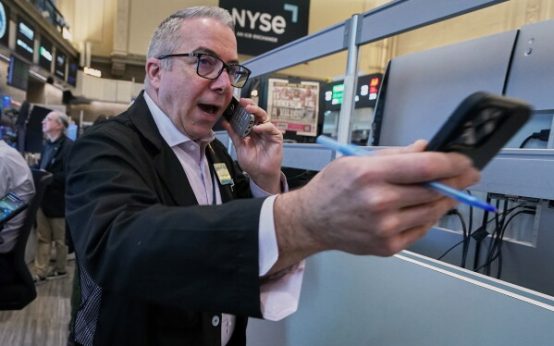 Tech Companies’ AI Spending and Investor Concerns
  Alibaba Challenges Pentagon’s Allegations