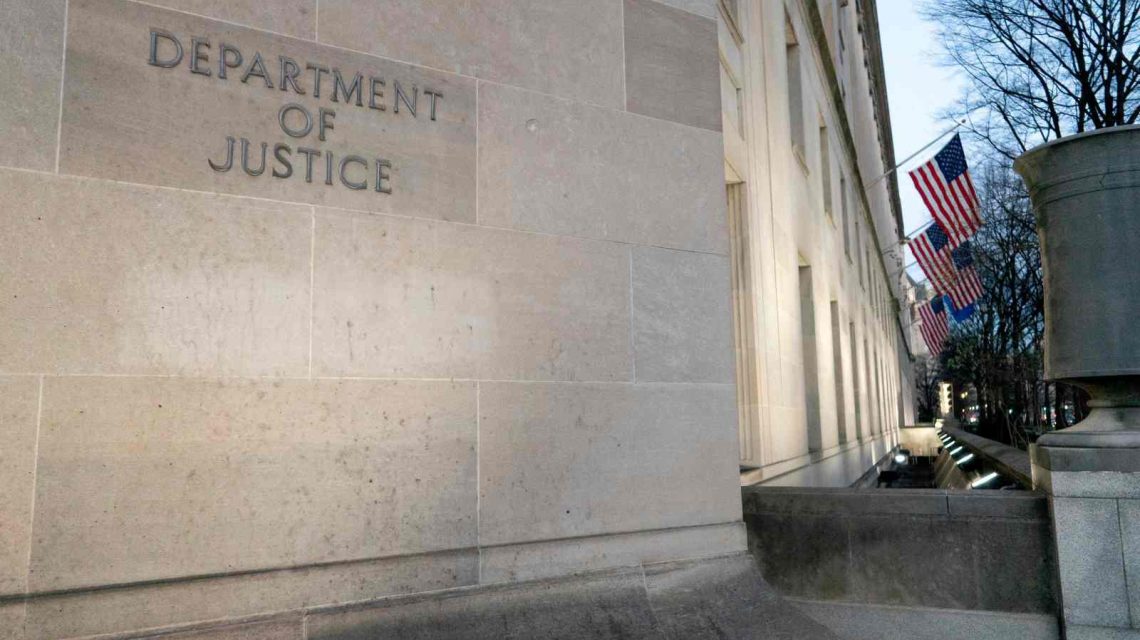
A federal judge has taken action against the U.S. Department of Justice (DOJ) attorneys over statements made while opposing the dismissal of a subpoena directed at a Rhode Island hospital. This subpoena demanded records related to gender-affirming care provided to transgender youth.
Judge’s Referral for Potential Discipline
U.S. District Court Judge Mary McElroy, appointed during President Trump’s first term, referred DOJ attorneys for potential discipline. This followed her decision to overturn the subpoena last month. In her ruling, McElroy accused the DOJ lawyers of misrepresenting facts and withholding critical information to compel compliance from Rhode Island Hospital.
McElroy’s concerns are consistent with issues raised by other federal courts that similarly quashed or limited subpoenas targeting numerous doctors and hospitals. She highlighted DOJ’s vast authority, expressing doubts about its fairness and honesty in executing this power.
DOJ’s Denial of Misconduct
The DOJ Civil Division denied these allegations, asserting they found them baseless after thorough examination. They claimed that there was no misrepresentation or withholding of information by their attorneys.
Such accusations against Department attorneys are rare and serious. The Department treats them accordingly and is committed to taking all appropriate remedial action where warranted,the DOJ stated.
Details of McElroy’s Ruling
In her ruling from May 14, McElroy stated that DOJ lawyers had not been candid with her court and the Northern District of Texas. She criticized the DOJ’s efforts to move the case to a potentially favorable Texas court. She labeled a declaration by a DOJ lawyer regarding the hospital’s communication as misleading.
The subpoenas sought comprehensive patient data from Rhode Island Hospital, including birth dates, Social Security numbers, and other sensitive information for those receiving transgender care over the last five years. The DOJ suggested this data was necessary to investigate potential fraud or illegal promotion of drugs.
Conflicting Views on Subpoenas
During a hearing, Assistant U.S. Attorney Brantley Mayers explained the ongoing investigations in Texas. The DOJ sought to uncover any misbranding of FDA-approved drugs and explored possible financial incentives from pharmaceutical companies to doctors for prescribing puberty blockers.
McElroy rejected these justifications, remarking that the administration has treated gender-affirming care for minors negatively, prompting the DOJ to curb it. She noted that the administration celebrated when hospitals reduced such care due to subpoena pressure.
DOJ’s Next Steps
The DOJ announced plans to appeal McElroy’s decision. They expressed unwavering support for their attorneys, emphasizing their confidence in the actions and information management by their legal team.
This article incorporates information from The Associated Press.
 Ex-CIA Official Detained Over Possession of Gold Bars Worth $40 Million
  High Tensions Escalate in Texas Teen’s Murder Trial
  Acquitted Woman Sues Massachusetts Police Over Alleged Misconduct
  Autopsy Reports of University of Idaho Victims Unsealed
  Legal Battle Over Ryne Sandberg’s Trust
  Karen Read Files Lawsuit Against Massachusetts State Police and Canton