The Department of Justice’s recent indictment of the Southern Poverty Law Center (SPLC) has attracted significant attention. A House Judiciary Committee hearing examined the role SPLC has played in distorting civil rights policy over the years. Though the hearing may not reveal new information, it brings necessary focus on the SPLC’s actions. The organization has been involved in left-wing legal battles and has influenced the K-12 education system.
For more than ten years, the SPLC has presented itself as a civil rights group, encouraging schools to adopt its Learning for Justice standards. Post the 2020 racial justice protests, SPLC and similar organizations pushed their agendas into K-12 education. Their programs claim to reduce bias and improve mental health, yet they concentrate on topics like anti-racism and white privilege. These ideas have spread through colleges, educators, unions, and consultants.
The SPLC’s reach in K-12 education is substantial but difficult to measure. While many districts use its materials, its exact impact isn’t fully documented. Teachers often include Learning for Justice content as resources or supplementary material, complicating tracking efforts.
Social Emotional Learning programs, including Second Step and the Yale Center for Emotional Intelligence, have incorporated SPLC content into their platforms. Numerous districts maintain contracts with these entities.
Moreover, SPLC’s programming influences through professional development, teachers’ unions, and organizations like the American School Counselor Association. Parent Teacher Associations and state education departments also promote these programs.
The SPLC content often promotes an anti-Western ideology, creating tension among students. Although intended to counter injustice, these concepts can foster animosity based on race or ethnicity. The DOJ’s indictment shifts focus to SPLC’s credibility.
Parents, community members, and legislators should explore their school districts for SPLC-related content. School districts should remove such materials to prevent the dissemination of biased ideology. Children should learn in an environment free from politically charged content.
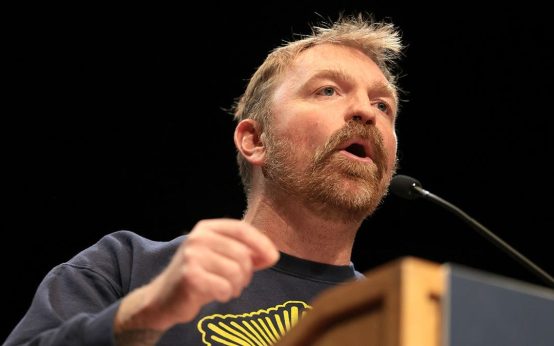
Rhyen Staley, director of Research for Defending Education, has extensive experience in public and private education. He emphasizes the need for transparency and vigilance in educational content.
 U.S. Military Awaits Pentagon’s Clarification on Troop Levels in Europe
  Xavier Becerra Advances in California Governor Race
  Graham Platner’s Campaign Amid Controversy
  South Carolina GOP Primary Heats Up as Trump Endorses Evette
  Federal Judge Overturns Trump-Era Immigration Policy
  Controversies Challenge Graham Platner’s Senate Campaign in Maine