
The recent escalation between Iran and Israel has heightened tensions across the Middle East and impacts ongoing efforts to resolve conflicts in the region. To provide a detailed analysis, Amna Nawaz interviewed experts, Miad Maleki from the Foundation for Defense of Democracies and David Makovsky from the Washington Institute for Near East Policy.
According to these experts, the current conflict situation complicates peace initiatives and diplomatic efforts. It impacts geopolitical dynamics and can alter alliances and power balances.
Miad Maleki emphasizes the risk posed by continued conflict. It not only threatens regional stability but also undermines international diplomatic processes. Nations must prioritize dialogue to prevent further escalation.
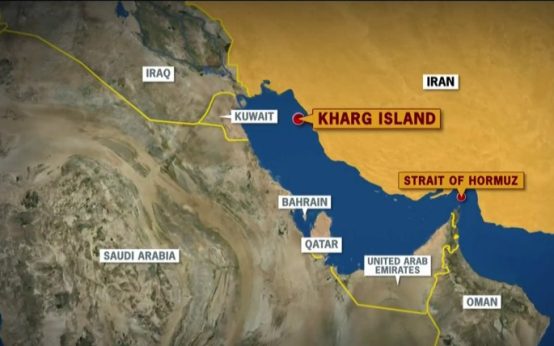
David Makovsky highlights potential consequences on economic activities in the region. Conflict disrupts trade routes and economic stability, affecting both regional and global markets.
The Middle East is a crucial point for global energy resources.
The involvement of major international players adds complexity to any resolution efforts. It underscores the importance of collaboration among nations to achieve sustainable peace.
The situation remains fluid, and continued monitoring is essential as developments unfold. Understanding and addressing the root causes of such conflicts are vital for effective resolution. Comprehensive strategies must be implemented to tackle immediate concerns and long-term issues.
 Tensions Rise as Lebanese Army Withdraws Amid Israeli Advances
  Remembering Michael Keating
  Haitian Soccer Team Returns to World Cup Amid National Struggles
  USA Celebrates Historic World Cup Win Over Paraguay
  US National Team Shines in World Cup Opener Amid FIFA Ticket Pricing Row
  Gad Saad Shares His Surreal Meeting with Elon Musk