Organizations feeding millions in the U.S. face several challenges. They deal with budget cuts, inflation, and increased demand for assistance. The war in Iran has now intensified these issues, forcing difficult decisions.
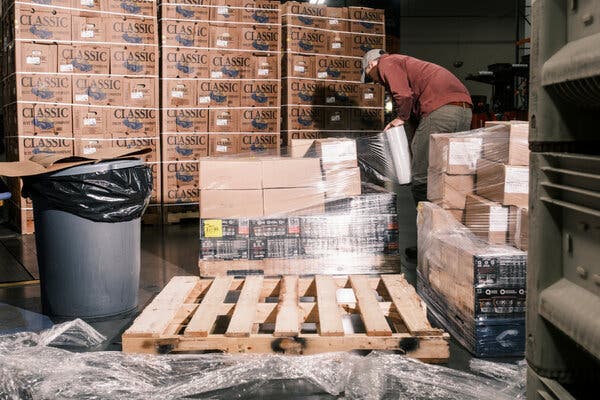
Rising fuel costs are impacting food banks that distribute essentials nationwide. The Oregon Food Bank is a prime example. Each morning, their trucks leave the central warehouse in Portland. They carry essential supplies like canned goods and fresh produce to food pantries. These destinations range from nearby churches to those six hours away near the Idaho border.
Andrea Williams, the food bank’s president, highlights the financial strain. The war has raised diesel prices, adding about $20,000 monthly in fuel costs. Such increases affect the amount of food they can transport.
“It’s an opportunity cost,” Williams noted. “Funds could help provide more food, but they now go toward fuel expenses.”
The war’s impact is evident at the gas pump. However, its effects extend further, reaching food banks that serve pantries across the country. Many may not realize the connection.
Feeding America reports that up to 50 million Americans require emergency food assistance annually. These individuals rely on local food pantries and soup kitchens. Their operations largely depend on food banks that source, acquire, and distribute food, especially in rural areas.
 Investigation into Bus Company’s Network and Safety Violations
  Inflation’s Rise Challenges Economists’ Claims
  Support Pours in for Airport Worker After Viral Video
  Father Shares Water Safety Lesson After Daughter’s Close Call
  US Postal Service’s Financial Future Secured for Now
  Espaillat Faces Challenge in Harlem