Jim Mustian and Joshua Goodman of the Associated Press investigated a significant story about the U.S. Drug Enforcement Administration (DEA) allowing the distribution of hundreds of thousands of fentanyl pills in New Mexico. This effort aimed to create larger federal prosecutions. Their reporting relied on reviewing numerous internal DEA records and interviews with current and former agents, including a whistleblower accusing the agency of risking public safety and breaching U.S. Justice Department rules.
The White House labeled fentanyl a “weapon of mass destruction” last year.
Del Quentin Wilber, who edited the story, interviewed Mustian. Mustian traced the story’s origin to a whistleblower complaint spotted by Goodman, alleging the DEA’s involvement in letting fentanyl reach the streets of New Mexico. Although the report sent to the White House in September largely went unnoticed by media, the government’s redaction left a critical oversight. Mustian noticed the whistleblower’s name ending in ‘l,’ an overlooked detail.
Through messages sent to DEA agents with names ending in ‘l’ who had worked in Albuquerque, Mustian connected with David Howell, the whistleblower. A few weeks later, Mustian traveled to New Mexico to meet Howell.
The DEA’s “Walk” Strategy
The DEA has allowed drugs to “walk” in the past to capture higher-level dealers. Fentanyl’s potency and lethal nature make this tactic problematic, according to some agents. The DEA’s “One Pill Can Kill” campaign warns that a minuscule amount, even as little as a few milligrams, can kill an adult. Fentanyl, often crafted into counterfeit pills by Mexican cartels, contains unknown quantities of the substance.
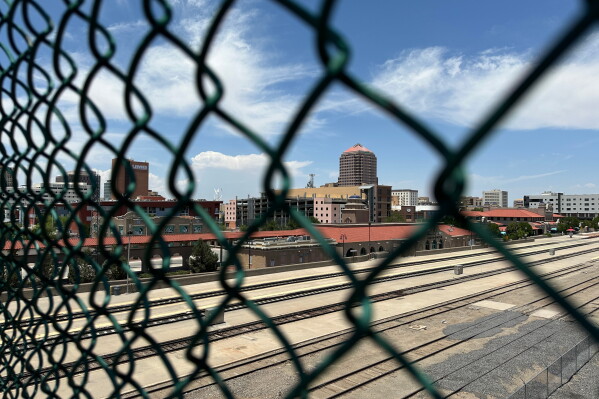
The reporting detailed a 2023 instance where DEA agents tracked a fentanyl shipment but chose not to seize it. This shipment, monitored at an Albuquerque mobile home park, involved 74,000 pills. Howell argued this decision was akin to “providing one fentanyl pill to each person at a football stadium.” Federal officials justified this as an approach to net bigger criminals, thus saving more lives than intercepting every batch.
DEA spokesperson Amanda Wozniak countered claims that the agency knowingly let fentanyl enter communities, calling such suggestions misrepresentations of the facts. She stated the decisions were lawful and in line with Department guidance.
Insights from the Investigation
This investigation sheds light on the gap between law enforcement actions and public awareness. Such discretion allows federal agents to make daily decisions that impact public safety. Despite complex investigations, government transparency remains an issue, particularly as these records were uncovered outside of the Freedom of Information Act.
The records and Howell’s insights revealed internal reviews showed that decisions to let drugs move unseized were reasonable. These findings, however, concerned those who believed massive fentanyl quantities were allowed onto the streets without sufficient oversight.
Howell’s Whistleblower Action
Howell, a long-time DEA veteran, filed a whistleblower complaint in late 2023 with the Office of Special Counsel. He showed DEA reports and communications indicating a significant 100,000-pill transaction was observed rather than halted. Initially, the Office of Special Counsel marked these revelations as indicative of wrongdoing and alerted the Justice Department. However, an investigation later deemed the decisions at hand to be reasonable and not detrimental to public health. Critics argue the investigation bypassed concerns about permitting large fentanyl quantities to reach users.
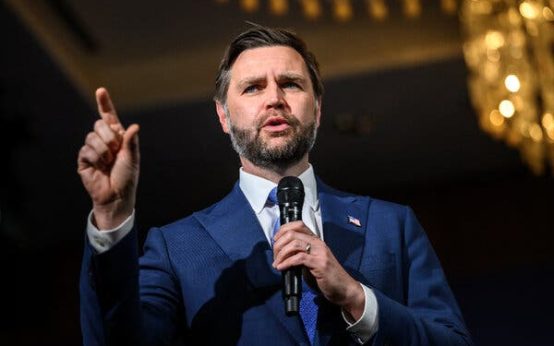 U.S.-Iran Negotiations Aim to End Conflict
 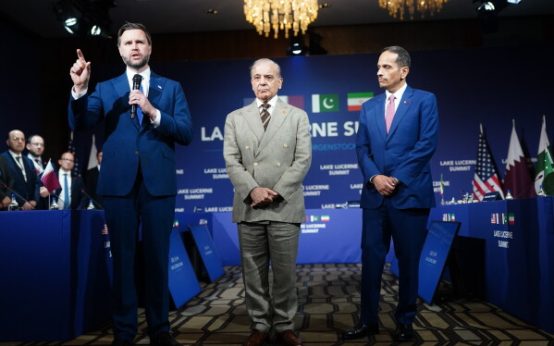 US-Iran Peace Talks Show Progress Amid Challenges
  Progress in Iran-U.S. High-Level Talks
 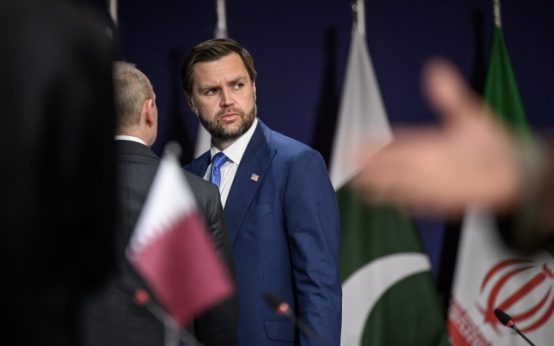 U.S.-Iran Negotiations, Starmer’s Resignation, and Extreme Sports Safety
 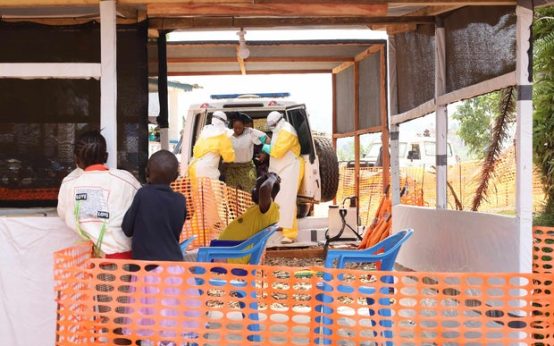 Ebola Cases in Eastern Congo Escalate Amid Challenges
 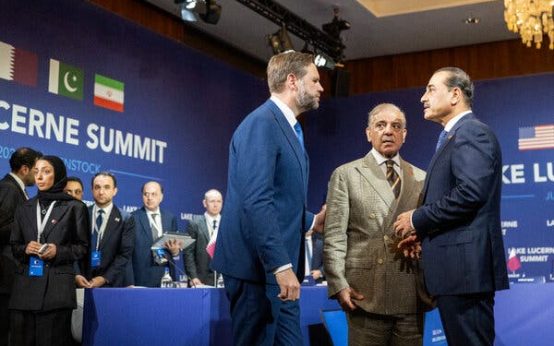 Mediators Report Progress in US-Iran Peace Talks