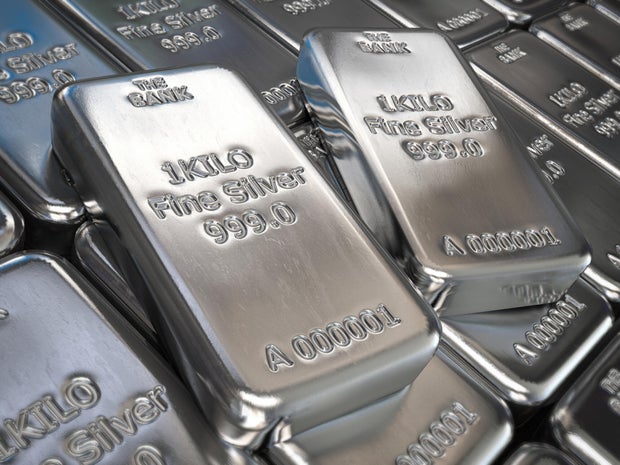
Recently, the silver market has caught the attention of investors due to significant fluctuations in its price. Over the past month, the price of silver has varied considerably, reaching over $100 per ounce at one point, before dropping again. This volatility has left many investors, both seasoned and new, unsure about their next steps in the precious metals market.
Despite these changes, silver (and gold) remains an attractive option for those seeking a diversifier for their portfolio and a hedge against inflation. Understanding the current price of silver, especially on days like February 4, 2026, is crucial for making informed investment decisions. On this date, the price stood at $91.72 per ounce, as reported by Priority Gold. This figure is higher than earlier in the month but still below the record high reached in late January, when it surpassed $110 per ounce.
It’s important to consider that fluctuations in silver prices are common and should be factored into investment strategies. Historically, the price of silver tends to increase over time.
Given the lower price compared to its peak, this period presents a potential opportunity for investing, especially for those looking to take advantage of market conditions that might drive another price rise. For investors considering silver, now might be a strategic time to act, as silver is substantially more expensive than it was a year ago when it was priced below $35 per ounce.
Considerations When Investing in Silver
While the $91.72 price tag is appealing, investors must remember that this represents the price for pure silver. Items such as jewelry may not be composed entirely of pure silver, which can impact their value. Additionally, purchasing pure silver bars or coins often involves markups from dealers, pawnshops, or precious metal companies. It’s prudent to research these costs thoroughly, as excessive markups can offset potential investment benefits gained from buying at current prices.
Investment Strategy
It’s advisable for investors to strategically incorporate silver into their portfolios, keeping precious metals to a maximum of 10% of their total investments. This helps balance the portfolio with other assets like stocks, bonds, and real estate, enabling investors to gain from silver’s potential price increases while maintaining a diversified income-producing portfolio.
Overall, while silver’s current price is lower than it has been in recent weeks, smart investing decisions can help optimize potential benefits, safeguarding against potential losses due to price fluctuations and dealer markups.
Edited by Angelica Leicht
 Crypto Market Faces Significant Downturn Amidst Instability Concerns
  Understanding the Value of a $1,000 CD Account
  SpaceX’s Potential Impact on Stock Indexes and Retirement Portfolios
  Asian Stock Markets Reach New Heights Amid AI Enthusiasm and Iran Ceasefire Talks
  Wall Street Extends Winning Streak with Strong Stock Gains
 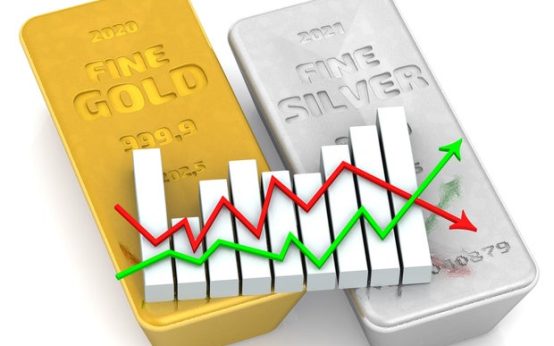 Gold and Silver Price Trends and Predictions for June 2026