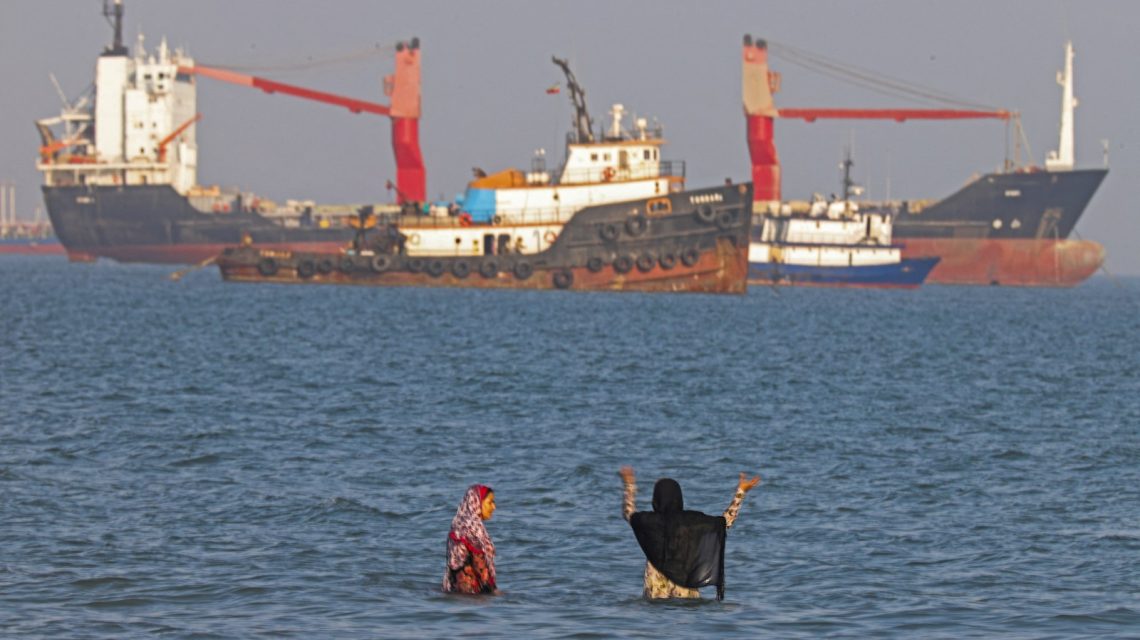
The Iran conflict reaches its 100th day, revealing unexpected outcomes among key players. Initially, political and business leaders often emphasize their first 100 days to achieve swift goals. However, in this scenario, the numbers tell their own story. Up to 2,211 casualties, over 22,000 injuries, and approximately 3.9 million displaced individuals are reported, as per missile strikes.com. These events paint a vivid picture of the impact, extending to regions like Lebanon and reshaping global energy markets.
Winners
Iran’s Regime
The U.S. and Israel commenced airstrikes on Iran on February 28, a campaign that former President Donald Trump claimed would resolve swiftly. Key targets included Iranian air defense systems and high-ranking officials such as Ayatollah Ali Khamenei. Despite extensive damage and economic destabilization, the Iranian regime endures. U.S. efforts to isolate Iran’s government have shifted towards limiting its nuclear capabilities. Tehran has imposed heavy costs on Israel and Gulf states, damaging U.S. bases and challenging Israel’s military resources. Control over the Strait of Hormuz, critical for global oil transit, temporarily favors Iran’s stance.
Trump’s potential deal claims face skepticism as Iran dismisses negotiations on nuclear advancements. Rafael Grossi of the International Atomic Energy Agency acknowledges restricted access to Iranian sites, emphasizing ongoing concerns. Former U.S. official Len Khodorkvsky warns of repercussions from allowing Iran’s regime to strengthen post-Trump’s term, advocating for support to empower Iranian citizens.
China
China’s strategic relationship with Iran, fueled by purchasing 90 percent of its oil exports, grants it significant influence. Chinese leader Xi Jinping’s involvement suggests a potential shift in the Middle Eastern order as the U.S. struggles to maintain dominance. During a visit to Beijing, Trump and Xi discussed preventing Iran from obtaining nuclear weapons while reopening the Strait. Allen Carlson, a Chinese foreign policy expert, highlights Xi’s increasing global influence despite domestic challenges. While diplomatic gains are evident, the economic ramifications remain uncertain, as seen in fluctuations in China’s pork prices. Xi navigates the delicate balance between global opportunities and domestic pressures.
Ukraine
The Iran conflict diverts attention from Russia’s invasion of Ukraine, which had been losing U.S. support under Trump. While energy market disruptions temporarily benefit Russia, Ukraine leverages its expertise in countering Iranian drone designs. Collaborations in the Gulf, especially on counter-drone methods, enhance its strategic value. Enhanced partnerships strengthen Ukraine’s standing while inadvertently weakening Russia’s position, according to Zev Faintuch of Global Guardian.
Losers
Energy Market
The closure of the Strait of Hormuz drives Brent crude prices to approximately $96 per barrel from a pre-war $71, affecting consumers worldwide. Russell Shor, a senior market analyst, cites increased geopolitical risk rather than supply loss as a critical factor. The market adapts through alternative sources, but uncertainty remains a prominent challenge. Despite potential peace, the risk premium persists, reshaping investor outlooks.
Lebanon
Lebanon bears a significant burden from the conflict, intensified by Hezbollah’s activities against Israel. With government control over Hezbollah limited, Israeli defense efforts extend toward creating a buffer zone along strategic locations. ACLED figures note over 260 attacks by Hezbollah and extensive property damage exceeding $3 billion. Humanitarian crises unfold as Israel enforces evacuations, displacing 1.2 million people. Aline Kamakian of World Food Kitchen describes the desolation faced by returning refugees, emphasizing the need for continued aid.
Too Early To Call
Israel
Israel’s objectives target Iran’s nuclear capabilities and its proxies. Despite setbacks, it successfully weakens Hezbollah, eliminating numerous fighters. Joint calls for a ceasefire hinge on Hezbollah’s cooperation, yet Iranian influences complicate peace prospects. Faintuch notes Israel’s strategy seeks leverage over Lebanon independent of U.S. policies. Whether Israel emerges strengthened depends on future developments, as suggested by conflicting interests with Iran and regional dynamics.
 New Details Emerge in Arson Attacks Linked to UK Prime Minister
  Group G Showdown: Iran vs New Zealand at the 2026 World Cup
  World Cup Drama in Group H: Uruguay and Saudi Arabia Share Points
  Inside the Iran Peace Deal: Negotiations and Challenges
  Three Men Charged in Fatal Rope-Jumping Incident in Brazil
  Netanyahu Defies Ceasefire Agreement Amid Ongoing Conflict