
British Prime Minister Keir Starmer announced his resignation, responding to internal challenges to his leadership. He plans to stay in the role until a new Labour Party leader is chosen, likely by September. The move positions Andy Burnham, a recent parliamentary election victor, as the probable successor.
Mr. Burnham, a former Greater Manchester mayor and popular Labour figure, secured a parliamentary seat with nearly 55% of votes in a special election. His success has invigorated his campaign to replace Mr. Starmer.
Starmer’s leadership began in 2024 with Labour’s electoral success, despite a low vote share of 34%, which analysts dubbed a “loveless landslide.” His tenure has seen political weakening, affecting his perceived authority within the party.
Although Starmer initially resisted challenges, he ultimately acknowledged his declining public support and agreed to a transition. This decision leads to anticipation of the new leader taking office by September. If Burnham remains the sole candidate, leadership could transfer as early as July.
The resignation marks a significant moment for Starmer, who achieved a majority victory less than two years ago. He expressed commitment to prioritizing family after his departure, having informed King Charles III of his decision.
Mr. Burnham’s recent electoral victory and rising popularity suggest a potential shift in Labour leadership. As he was sworn in as an MP, eyes turned to the lectern outside 10 Downing Street, signifying a potential announcement. Political uncertainties have affected Britain’s bond market, with higher yields signaling investor anxiety.
Since 2016, five other British Prime Ministers, including David Cameron and Theresa May, have resigned following crises like Brexit and scandals. Liz Truss resigned after just 44 days, impacted by budget controversies. Starmer’s resignation aligns with this trend.
Reports surrounding Starmer’s potential resignation have sparked speculation and anticipation for his public statement. Analysts indicate silence may signal major developments at Downing Street.
Keir Starmer’s challenges included political rival Andy Burnham’s ambition to take over leadership. Recent comments by Peter Kyle, Starmer’s business secretary and close ally, suggested a reevaluation of political realities, favoring a decision beneficial to Britain.
Despite Mr. Burnham’s intentions to challenge Starmer, the prime minister initially vowed to retain his position. Yet, increasing calls from Labour lawmakers have urged Starmer to plan an orderly transition.
Andy Burnham’s charisma and popularity potentially offer Labour a refresh, though policy differences with Starmer aren’t clear. His recent election as MP displays stronger political appeal. His ability to connect with voters in the economically diverse regions might reshape Britain’s political landscape.
Many Labour lawmakers express hope that Burnham’s leadership might provide a renewed chance to appeal to voters, despite economic challenges. Burnham’s victory, surpassing 13 competitors and opposing Reform U.K., exemplifies Labour’s need for impactful leadership.
With Starmer’s personal acknowledgment of challenges and the pressures of political unpredictability, Burnham’s ascent could redefine Labour’s trajectory.
Who is Andy Burnham?
Andy Burnham, known for his charisma and approachability, has stepped into the political spotlight with his victory in the Makerfield by-election. His journey from mayor to potential Labour leader signifies his rising influence.
Burnham grew up in a working-class family in Liverpool, attended Cambridge and initially worked in parliament. He later served as a minister under Tony Blair and Gordon Brown. His advocacy for justice for Hillsborough victims marked a significant political achievement.
As Greater Manchester’s mayor, Burnham introduced public transportation initiatives and attracted investments, demonstrating effective leadership. His adaptability across various political landscapes has earned both praise and criticism.
His communication skills and regional focus resonate with voters beyond London, addressing economic disparities. Burnham’s political career and current position offer Labour a distinct leadership style compared to Starmer.
 Impact of U.S. Oil Blockade on Cuban Education
 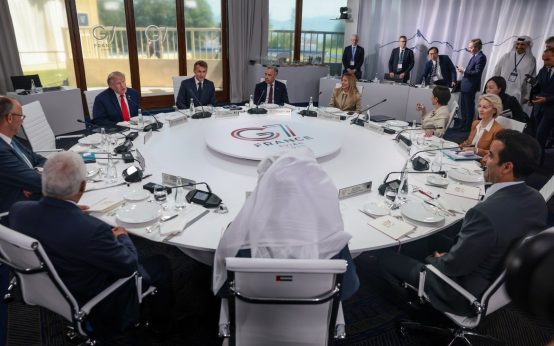 Trump Clarifies ‘I’m the Boss’ Comment at G7 Summit
 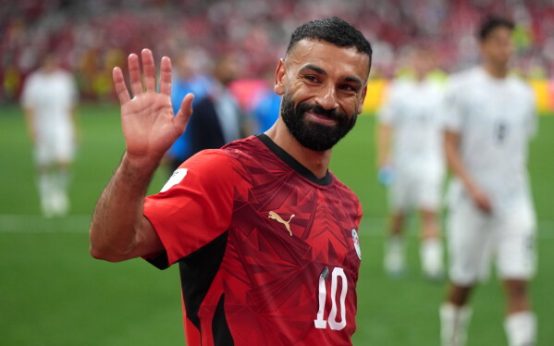 Iran Faces Off-Field Challenges Amid World Cup Progress
 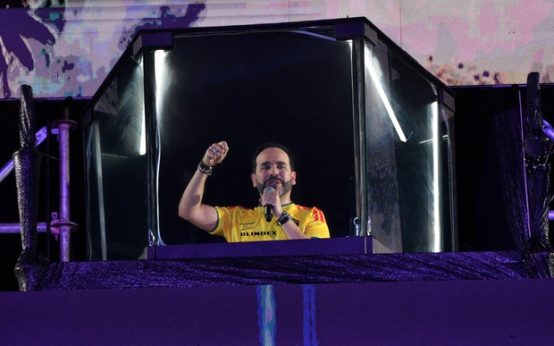 Colombia’s Presidential Election Shifts Right Amid Protests
  Mohamed Salah Ignites Egypt’s World Cup Aspirations with Historic Victory
 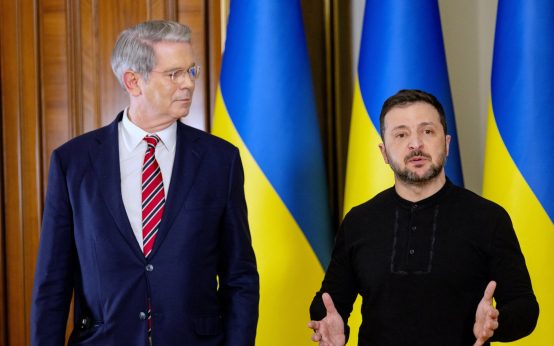 Disparaging Remarks by Treasury Secretary Highlighted in New Book