
Keir Starmer became the United Kingdom’s prime minister with the promise of stability after chaotic years of Conservative rule. His leadership, lasting less than two years, faced multiple challenges that ultimately led to his resignation. Missteps, internal party conflicts, and associations with scandalous figures eroded his support. On Monday, Starmer announced he would step down as leader of the Labour Party, remaining as a caretaker prime minister until a successor is chosen.
Starmer’s Initial Promise and Challenges
Starmer’s ascent to power was marked by a significant Labour Party victory in July 2024, winning 411 of the 650 seats in the House of Commons. He pledged to restore respect to politics after turbulent Conservative governance. Despite this initial triumph, Starmer’s government faced difficulties due to a lack of widespread enthusiasm. Labour’s win was backed by only 34% of voters, many motivated by discontent with the Conservatives.
Missteps and Scandals
Starmer’s tenure was marred by a series of missteps. Controversies included accepting expensive gifts and policy U-turns, particularly regarding welfare spending cuts, which stirred discontent within Labour ranks. A crucial blow was the appointment of Peter Mandelson as the UK’s ambassador to the U.S. Despite Mandelson’s political strengths, his past association with Jeffrey Epstein became a major liability for Starmer. Documents revealed close ties, forcing Starmer to dismiss Mandelson, further destabilizing his leadership.
Political Shortcomings and Achievements
Lacking long-time political experience, Starmer struggled with issues requiring flexibility and instinct. Known for his prosecutorial skills, Starmer effectively challenged Conservative leaders in Parliament but encountered difficulties as prime minister. His attempts to streamline welfare benefits alienated certain voter groups, and his handling of international crises, such as the Iran conflict, drew mixed responses.
Despite this, Starmer achieved several domestic accomplishments, including improved NHS waiting times and enhanced rights for workers and renters. He emphasized these achievements in his resignation, believing he left the UK in a stronger position.
Conclusion and Transition
Starmer’s resignation followed Labour’s poor performance in local elections, leading to government resignations and challenges culminating in Andy Burnham’s ascendancy. Starmer’s leadership faced constant hurdles despite his efforts to convey a narrative of progress. His successor inherits a country that Starmer believes is better prepared for future challenges, though Labour’s support remained stagnant in the polls.
 Keir Starmer Resigns as Prime Minister Amid Labour Party Turmoil
  Keir Starmer Resigns as British Prime Minister Amid Party Pressure
  Colombian Presidential Runoff: Conservative Outsider Leads Through Conflict
  President Trump Issues Warning Over National Mall Vandalism
 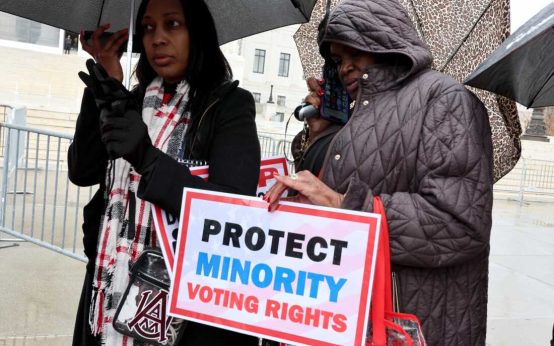 Supreme Court Declines Review, Impacting Voting Rights Act
 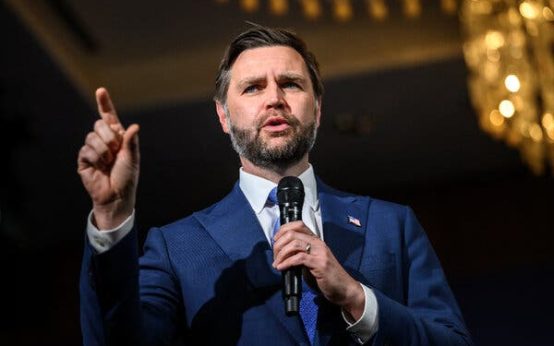 U.S.-Iran Negotiations Aim to End Conflict