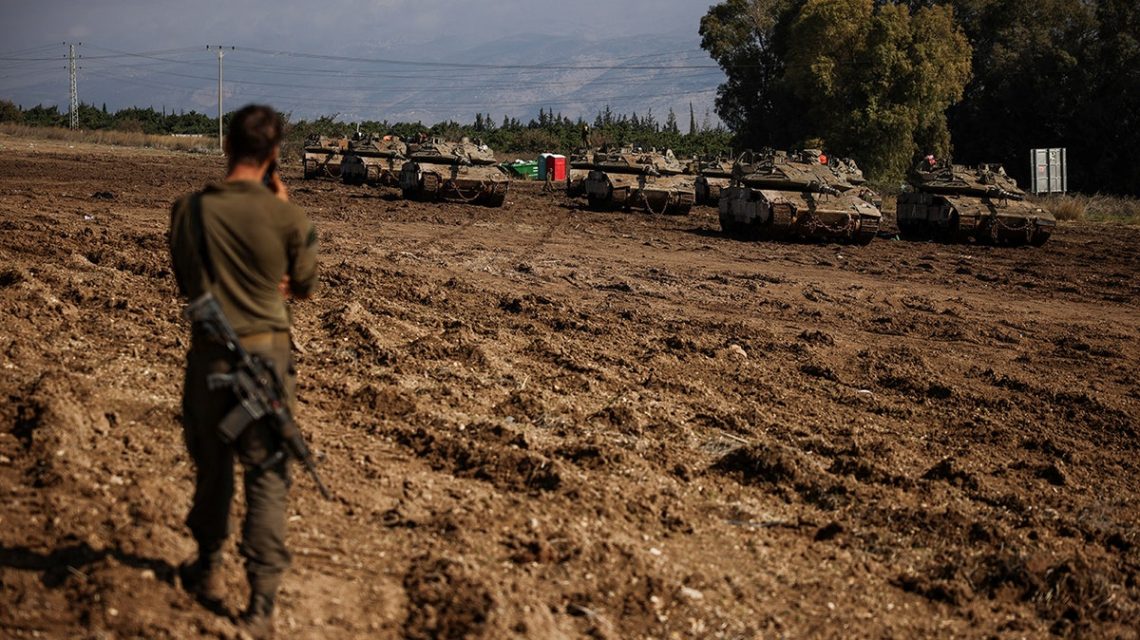
Yulia Bar-Dan stood outside her temporary residence in Kibbutz Manara, northern Israel, when the sound of an interceptor filled the air. She anticipated another siren soon, a frequent occurrence since the ceasefire between Israel and the U.S.-designated terrorist group Hezbollah was announced. Alerts regularly appear on phones, urging residents to seek shelter.
Bar-Dan’s experience reflects the ongoing tension at Israel’s northern border nearly two years after Hezbollah joined the conflict against Israel in October 2023. With Hezbollah’s involvement, backed by Iran, Washington initiated diplomatic efforts to expand the ceasefire into a wider agreement for Lebanon.
Several rounds of talks between Israeli and Lebanese officials have occurred in Washington. President Trump frequently announced ceasefire initiatives intended to stabilize the border. However, residents of communities like Manara report ongoing threats from rockets and drones.
Bar-Dan remarked, “A ceasefire is supposed to be mutual, not one-sided.” When first interviewed by Fox News Digital in December 2024, she and her family had evacuated to a hotel. Now, approximately 200 of the kibbutz’s 280 residents have returned, though many, including Bar-Dan’s family, cannot inhabit their damaged homes.
Despite repeated ceasefire announcements, residents feel normalcy remains distant. Schools reopened in early June, but Bar-Dan chose not to send her children, citing safety concerns during their commute.
Her discontent extends beyond Hezbollah. Bar-Dan and others note a widening gap between border reality and political narratives. “Decisions need to align with reality,” she emphasized.
A community leader, Yochai Wolfin, described the enduring tension as “the ceasefire war.” The term resonates within the community, capturing a sense of ongoing conflict within a supposed peace.
The unpredictability is pervasive; children study in shelters, protective rooms are incomplete, and construction projects stall as contractors hesitate to work near the border. Many residents feel decisions affecting their futures occur far from those directly impacted.
Northern Israel continues facing threats as Hezbollah Secretary-General Naim Qassem warned of sustained insecurity unless Israeli strikes in Lebanon cease. In a June 2026 statement, he criticized the Washington-mediated framework as demeaning.
For Naor Shamia, leading Manara’s emergency response team, there is concern that temporary measures might extend indefinitely, creating a state of limbo.
Residents across the border area voice similar fears. In Adamit, Yael Cohen-Arazi juxtaposed the region’s beauty with life under constant threat. Her children’s familiarity with conflict drives home the deviation from normalcy.
As another alert sounded in Manara, Bar-Dan, though emotionally exhausted, remained resolute. “This is our home,” she asserted, acknowledging the necessity of holding the borders.
 U.S. Military Awaits Pentagon’s Clarification on Troop Levels in Europe
  Potential Ebola Outbreak in Central Africa Raises Concerns of Rapid Spread
  Lawsuits Against Federal Government Following Pennsylvania Rally Shooting
  U.S. and Allies Condemn Efforts to Overthrow Bolivian Government
  Pamela Hicks: Cousin, Bridesmaid, and Witness to History
 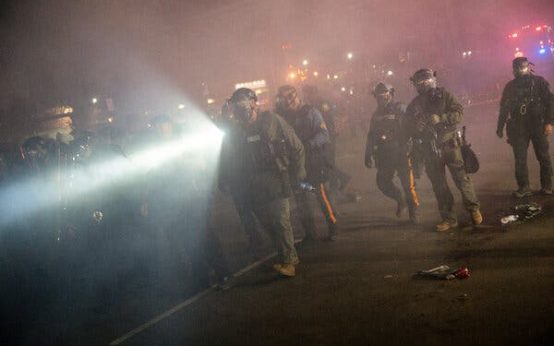 New Jersey Struggles with Protests Near Immigration Detention Center