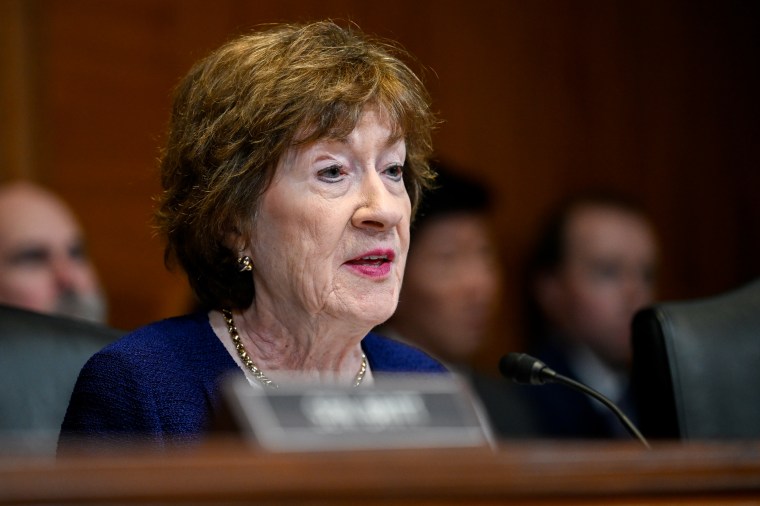
Democrats in Maine are bringing Brett Kavanaugh’s Supreme Court confirmation into focus in this fall’s Senate race. Susan Collins, the long-serving Republican Senator, cast a crucial vote in 2018 that supported Kavanaugh, who had stated that Roe v. Wade was ‘settled law.’ This claim was later undermined, as Kavanaugh played a key role in the 2022 decision that overturned Roe v. Wade, leading to abortion restrictions in various states.
Arie Mobley, attending a rally for Graham Platner, Collins’ likely Democratic opponent, highlighted her frustration. Janice Low echoed this sentiment, recalling how Collins initially seemed against confirming Kavanaugh before ultimately supporting him, a move she described as contradictory.
In 2018, Collins defended Kavanaugh amid sexual misconduct allegations, which Kavanaugh denied. Collins’ support amid these accusations painted Maine as a vital battleground for Democrats seeking to reclaim the Senate in 2026.
The Abortion Rights Debate
Platner’s campaign often revisits Collins’ Kavanaugh vote, especially following the 2022 abortion ruling, viewing it as a critical argument against her. Platner has publicly condemned Collins’ decision, suggesting she deceived voters by promising to uphold Roe v. Wade only to support a justice who overturned it.
Even Collins herself has expressed regret over the outcome but maintains her vote was justified after consulting legal experts. She feels overlooked for having supported Democratic-appointed justices.
Maine is unique among battleground states, consistently electing a Republican senator despite strong support for reproductive rights. The Senate Majority PAC plans to highlight Collins’ ‘anti-choice record’ in election ads, believing this focus could sway voters post-Roe.
Polling by the PAC indicates that criticizing Collins on abortion, framing her as responsible for overturning Roe, is an influential issue for Democratic voters.
Collins’ Opposition and Platner’s Challenges
Collins’ campaign argues these attacks are outdated, accusing Democrats of deflecting from their own challenges. Meanwhile, Platner is under scrutiny from allegations by former women acquaintances regarding his behavior, arguments he contests. One woman, Lyndsey Fifield, claims Platner was physically threatening during their relationship.
Fifield, a conservative advocate who supported Kavanaugh in 2018 and once criticized allegations against him, is now at odds with Platner’s supporters. They accuse her of launching last-minute false claims against him.
Amid these conflicts, Kavanaugh’s confirmation is a prominent topic. A Democratic strategist suggests this decision symbolizes a key election issue, underscoring the lasting relevance of Supreme Court appointments and the importance of senatorial votes on them.
Voting History and Its Consequences
Susan Collins, who secured reelection two years after Kavanaugh’s confirmation, later admitted being misled by Kavanaugh during pre-vote discussions. She has voted for most current justices, supporting both conservative and liberal nominees. Her opposition to Amy Coney Barrett was based on the timing of the 2020 confirmation vote.
Collins’ 2018 comments about Christine Blasey Ford’s allegations against Kavanaugh, emphasizing fairness and the presumption of innocence, reflect her careful approach to judgement. Recently, she spoke about Platner, urging clarity on the troubling accusations he faces.
Collins denied any connection to Lyndsey Fifield, a central figure in Platner’s controversy, affirming she had never crossed paths with her before current reports.
 Vice President JD Vance’s Experience on The View
  Gavin Newsom’s Strategic Statement Amid DOJ Investigation
  World Leaders Navigate Tensions and Diplomacy at G7 Summit
  Trump Invokes Defense Production Act to Boost Weapon Production Amid War Concerns
  Primary Runoffs Reveal Winners and Losers in Key Races
  Key Outcomes from the Latest U.S. Primary Elections and Trump’s Influence