
President Donald Trump has utilized his executive powers to compel defense manufacturers to increase weapon production. His administration seeks further defense spending approval to replenish dwindling stockpiles due to the U.S. involvement in the war with Iran. The action arose when Trump invoked the Defense Production Act last week, responding to internal concerns about munitions shortages.
In a memo addressed to Defense Secretary Pete Hegseth, Trump cited conditions threatening national defense that could hinder the production and availability of crucial defense materials. Hegseth met with Senate Republicans to advocate for a $350 billion package designed to refill munitions resources, urging them to adopt the proposal.
Republican Senator John Cornyn from Texas acknowledged the urgency of funding, emphasizing the Pentagon’s need for resources to secure the nation effectively. The Defense Production Act, originating in the 1950s, allows the president to prioritize federal orders and promotes collaboration among private companies in ways typically restricted by competition laws. The administration often invokes it for emergencies like natural disasters or crises such as the ongoing COVID-19 pandemic.
Concerns have been mounting within the administration about stockpile levels, and Trump has publicly called for increased munitions production. Notably, discussions about invoking the Defense Production Act emerged days into the war with Iran, known as Operation Epic Fury. Despite public assurances from the White House of sufficient weapon supplies, the administration quietly moved to bolster production capacities.
Meetings with defense industry leaders were planned, yet rescheduled due to evolving U.S.-Iran negotiations. As part of a tentative agreement, both countries plan to end hostilities and reopen the Strait of Hormuz. Until an official signing ceremony occurs, Trump has withheld further details of the memorandum of understanding.
Despite aggressive actions from Iran’s Islamic Revolutionary Guard Corps targeting commercial vessels, the U.S. military has managed to neutralize the threats. Defense Secretary Hegseth refuted claims of a munitions shortage, stating on CBS’ “Face the Nation” that inventories remain robust and continue to strengthen, dismissing reports to the contrary as media-generated.
Prospects for the defense spending package remain uncertain, with some Republicans skeptical of Democratic support. Senator Lisa Murkowski of Alaska, critical of the war, demands adequate justification for additional funding. Meanwhile, Democrat Senator Chris Coons of Delaware maintains that war-related expenses should not proceed without clear authorization and full briefings.
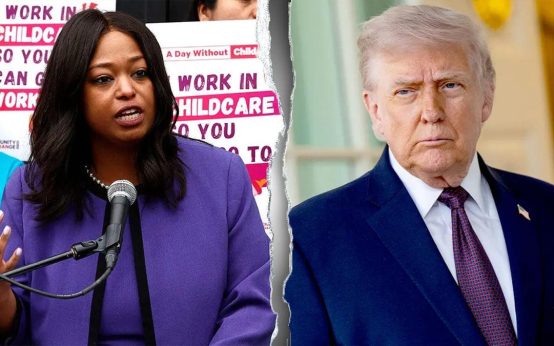 Socialist Candidate Leads in D.C. Mayoral Race
  Vice President JD Vance’s Experience on The View
 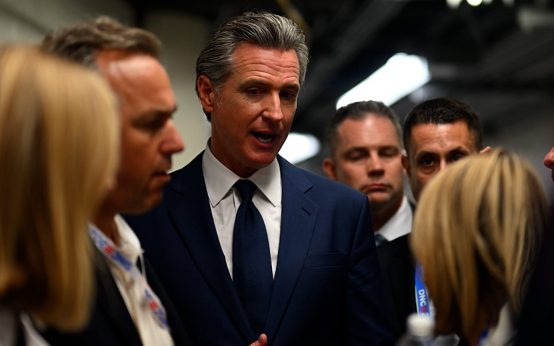 Gavin Newsom’s Strategic Statement Amid DOJ Investigation
  World Leaders Navigate Tensions and Diplomacy at G7 Summit
  Primary Runoffs Reveal Winners and Losers in Key Races
  Key Outcomes from the Latest U.S. Primary Elections and Trump’s Influence