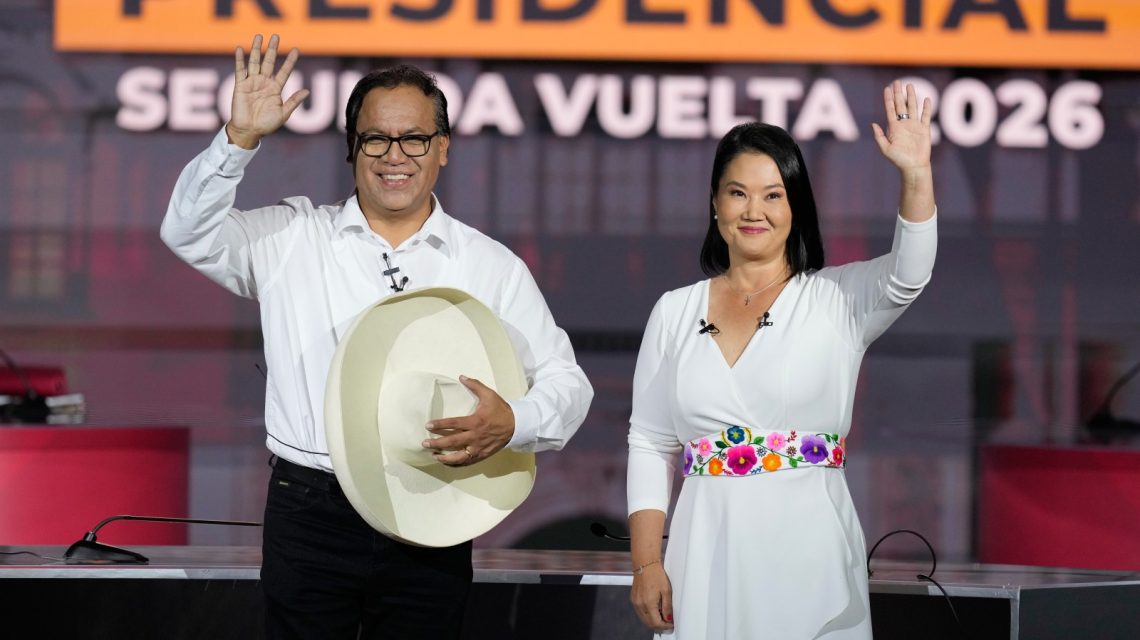
Peru’s presidential race between right-wing candidate Keiko Fujimori and left-wing contender Roberto Sánchez remains in a tight contest as 97 percent of the votes have been counted. Overseas ballots, especially those from Florida, could be decisive in the outcome. As of Wednesday morning, Sánchez held a narrow lead with 50.05 percent, while Fujimori trailed closely with 49.94 percent.
Political analyst Jeffrey Radzinsky highlighted the possibility of Sánchez receiving more votes domestically, yet potentially losing the election once all overseas votes are included, as many abroad support Fujimori. The process requires patience as the count continues.
Insights from Current Vote Counting
Data from Peru’s National Office of Electoral Process (ONPE) indicates that 62.5 percent of overseas votes favor Fujimori, amounting to 132,004 votes, while Sánchez garnered 37.5 percent with 79,327 votes. Around 1.2 million Peruvians abroad were eligible to vote in the June 7 presidential runoff, as reported by the Latin Times.
U.S.-based Peruvians, the largest voting bloc outside Peru, largely supported Fujimori. She received 76.56 percent of their votes compared to Sánchez’s 23.43 percent. In Florida, where the largest Peruvian-American population resides, this support is even more pronounced. Miami voters favored Fujimori with 88.79 percent (9,310 votes), while Orlando showed 86.60 percent (929 votes) leaning towards her. Sánchez received 11.21 percent and 13.34 percent in these cities, respectively.
Historically, the Peruvian diaspora tends to lean more conservative and displays a preference for right-wing candidates, contrasting with voters in rural Peru.
Reasons Behind Fujimori’s Diaspora Support
Many Peruvians now abroad left during the 1980s and 1990s amidst political violence and economic instability during Alberto Fujimori’s authoritarian rule. His presidency focused on free-market principles and social conservatism, positioning him against extremist groups like the Shining Path. While his era saw human rights abuses, he is credited by some with restoring order.
Sánchez is also connected to controversial figures. He allied with Pedro Castillo, who was removed by Congress and imprisoned. In the 2021 runoff, diaspora support for Fujimori fell short, giving Castillo a narrow victory with robust rural backing.
The Impact of Overseas Votes
Overseas votes comprise a small electorate share, turning in slower than domestic votes. Yet, in this neck-and-neck race, they may add a crucial edge for Fujimori over Sánchez. As of Wednesday, Miami had counted 99.09 percent of its votes and Orlando had 80.95 percent accounted for. Overseas, only 67.47 percent had been tallied, potentially swinging the result towards Fujimori.
In contrast, Peru itself had counted 98.21 percent of votes, where Sánchez held a slim lead. He stated he would accept the official outcome, recognizing popular support. Fujimori urged patience until final votes are counted.
The election remains undecided at this article’s publication. Peru’s election body anticipates official results by mid-July, pending disputed ballot reviews and recounts. Peru’s new president is scheduled to be inaugurated on July 28.
Dr. Christopher Sabatini of Chatham House noted Peru’s precarious state regardless of the victor. Sánchez might invoke grassroots support to bypass a divided Congress. If Fujimori wins, political tensions could rise due to her party’s contentious tactics.
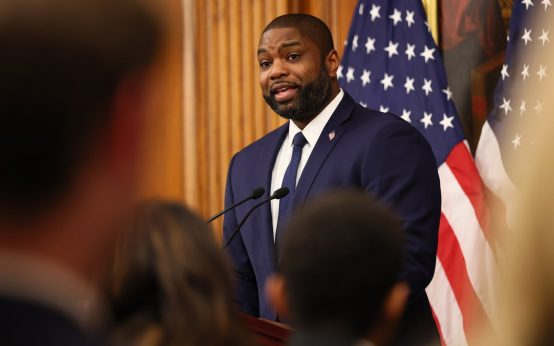 Poll Analysis: Byron Donalds vs. David Jolly in Florida Gubernatorial Race
  Airbnb Offers Free FIFA World Cup Tickets with Select Rentals
 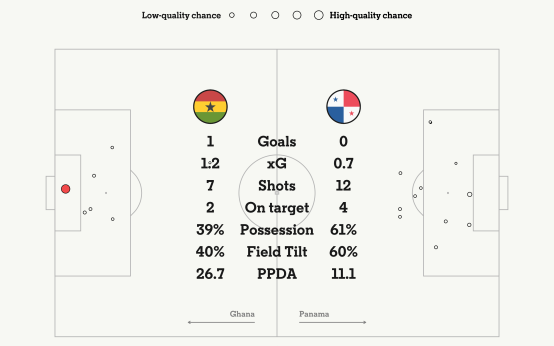 Ghana Secures Late Win Against Panama Amid Rainy Conditions
  Trump’s Approach to Iran: Expectations Versus Reality
  Uzbekistan Begins World Cup Journey Against Colombia at Estadio Azteca
  Trump Withdraws Endorsement of Oklahoma Candidate Lahmeyer in Favor of Tedford