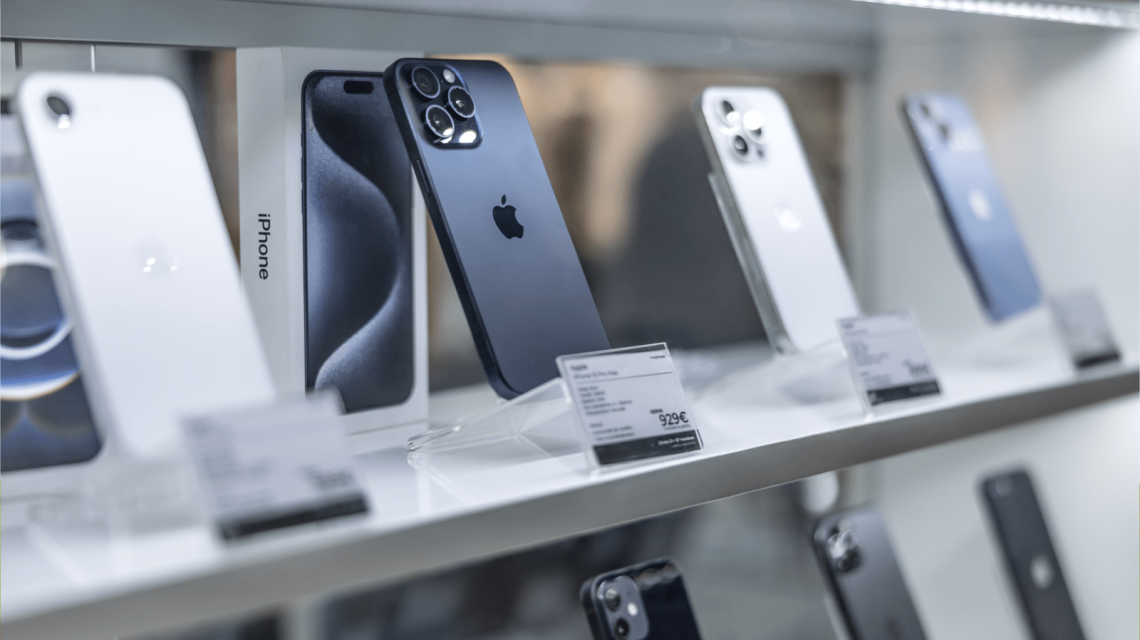
Smartphone prices may soon escalate significantly. This rise is linked to increasing memory costs driven by a global boom in artificial intelligence. Apple plans to initiate these price hikes, and it is expected to extend across the industry. Tim Cook, Apple’s CEO, informed the Wall Street Journal that rising costs for memory and storage chips have made price hikes unavoidable. Apple has tried to absorb these costs to protect consumers but now finds the situation unsustainable as suppliers apply considerable cost increases.
Industry-Wide Price Pressure
The rising costs are not restricted to Apple alone. Nabila Popal, senior research director for Worldwide Consumer Devices at IDC, told Newsweek about adjustments in forecasts due to these shifts. The global smartphone average selling price is now projected to increase by 20 percent, a significant change from the 14 percent forecast in February. No vendor is expected to escape this financial strain. Popal predicts Android brands focusing on low-end devices may face price increases of up to 40 percent. Meanwhile, premium brands like Samsung and Apple might increase prices by around 10 percent.
Yang Wang, a principal analyst at Counterpoint Research, described the ongoing memory shortage as a severe disruption in the smartphone industry. He forecasts that memory costs will stay high through at least 2027 due to increased demand from AI products. Lower-cost devices could experience the most significant price hikes since memory accounts for a larger portion of their costs.
Potential Cost Changes for Smartphones
Apple hasn’t disclosed precise plans or timelines for price changes. Analysts anticipate varied smartphone price increases, with entry-level devices most affected by rising component costs. Counterpoint Research notes significant bill-of-materials cost hikes for low-end smartphones, around 20 to 30 percent, compared to about 10 to 15 percent for mid- and premium devices.
In February, overall smartphone prices were estimated to rise by approximately 3 to 8 percent, reflecting manufacturers partially passing costs to consumers. Future price rises may vary by device tier:
- Premium models from Apple, Samsung, and Google might see increases between 5 and 10 percent.
- Mid-range Android devices could rise between 10 and 20 percent.
- Entry-level Android phones could face price hikes as high as 40 percent.
Importantly, Wang advises caution, noting that specific forecasts for individual smartphone models can vary significantly by region and product tier.
Impact of Price Increases on Consumers
For consumers, the immediate effects could be broad. Buyers of flagship smartphones may encounter moderate increases, yet a 6 to 10 percent rise on a high-end handset could add around $70 to $150 to its cost. In segments where prices are lower, larger increases could render entry-level smartphones much less affordable.
The rising memory needs, driven by AI features and more powerful applications, also limit manufacturers’ ability to reduce specifications to manage costs.
Contact Newsweek editors on this story: John Fitzpatrick and Yannick Demoustier.
 Chinese AI Models Gain Traction in Silicon Valley
  Chatbots and Their Role in Health Information
  Meredith Whittaker’s Fight for Privacy in the Digital Age
  AI Enhancements at the U.S. Open Golf Tournament
  New York City Council Seeks Pause on AI in Schools
  Minnesota’s Ban on Crypto ATMs Targets Rising Scam Threat