
The moon has long symbolized exploration and potential. NASA aims to establish a lasting base on the moon near the lunar South Pole. This brings unique psychological challenges for future lunar residents, according to experts.
NASA’s plans are advancing. In May, NASA released a three-phase Moon Base Program strategy. This concludes with ‘sustained human presence’ on the moon by 2032. The final phase marks the reality of living and working on the moon.
Spaceflight presents psychological concerns. NASA’s research highlights isolation and confinement’s impact on cognitive and behavioral functioning. The ISS has countermeasures that reduce this risk, but missions beyond Earth’s orbit face greater challenges due to limited support.
A NASA study, published in Frontiers in Physiology in November 2024, found astronauts on the ISS showed stable cognitive performance. Yet, they experienced slower processing speed, attention, and memory during flights.
The Risk of Isolation
The moon’s environment may impact human mental health. Dr. Dave Rabin, psychiatrist and neuroscientist, notes that a long-term lunar stay challenges the nervous system.
Human evolution involved sunlight, gravity, natural landscapes, and social interaction. Rabin warns prolonged isolation increases insomnia, anxiety, depression, irritability, and cognitive difficulties.
Space can be ‘psychologically brutal,’ leading to hallucinations, sleep issues, and distress. Rabin warns that awe of the moon without belonging can feel disorienting.
He stresses the importance of environmental signals that provide a sense of home. Our brains evolved in dynamic environments with movement, sound, and texture.
A lunar settlement resembles a ‘sensory deprivation chamber.’ Without weather, wildlife, or familiar sounds, lunar inhabitants might rely more on artificial stimulation.
The Emotional Impact of Reduced Gravity
Researchers are studying reduced gravity’s effect on emotions. Rabin explains gravity’s role beyond physical force. It influences balance, posture, blood flow, sleep, and spatial awareness.
While lunar gravity isn’t zero, it is weaker than Earth’s. Over time, this impacts cognition and mood due to changes in sleep, movement patterns, and bodily functions.
Matt Grammer, a clinical counselor supervisor, agrees. He says a lunar settlement lacks environmental cues that regulate mood and identity like weather and daily rhythms.
Grammer notes isolation increases anxiety, depression, irritability, emotional numbing, and decision-making challenges. Unlike ISS astronauts, lunar residents must build society, not serve as temporary crews.
The moon presents monotony rather than fear. Humans need change from weather, seasons, and community. Without these, lunar residents might rely on artificial stimuli to avoid an emotionally flat environment.
Defining a New Human Identity
Dr. Sam Zand, psychiatrist and CEO of Anywhere Clinic, says maintaining connection among lunar pioneers is crucial.
He compares lunar living’s confinement risks to polar expeditions. Variety and normalcy are vital for human well-being. The body adapts, but the psyche might not.
Lunar habitats must replicate life on Earth to foster connection to something greater. Experts agree humans can adapt, yet it may alter identity.
Rabin suggests permanent lunar life might create a new human identity. This could be fascinating short-term but might feel spiritually destabilizing long-term.
The key psychological question is whether lunar settlers feel like pioneers or exiles from Earth.
As NASA pursues sustained lunar presence, the challenge extends beyond survival. It involves ensuring lunar residents feel human once they arrive.
 Research Reveals Malaria Likely Cause of Francesco de’ Medici’s Death
  Ancient Settlement Linked to Biblical Exodus Uncovered in Egypt
  Impact of Proposed Rule on Scientific Collaboration
 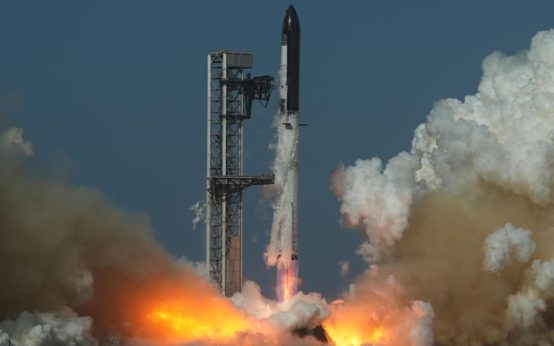 SpaceX’s 13th Super Heavy-Starship Launch Achieves Milestones Despite Challenges
  Chinese Woman Wins Prestigious Fields Medal in Mathematics
  Blood Sample Could Predict Colorectal Cancer Risk