President Donald Trump’s executive order, the Great American Recovery Initiative, dated January 29, has been met with applause for its commitment to tackling addiction. However, there’s a suggestion to rename it the Bill W. and Dr. Bob Initiative, honoring the founders of Alcoholics Anonymous (AA). Just like these men, President Trump understands the importance of community, health, and faith in overcoming addiction. This initiative aligns with the principles of AA, emphasizing the need for these elements to ensure its success.
Bill Wilson and Dr. Robert Smith, the co-founders of AA, both battled severe alcoholism. Bill’s journey to recovery began through a profound spiritual awakening in December 1934, when he experienced a transformative sensation described as a blinding white light. This event led him to feel free from the grip of alcohol. His spiritual transformation laid the foundation for AA’s 12-step program, which he later established with Dr. Bob in June 1935. Through their efforts, they provided medical and spiritual support to alcoholics across the country.
Both President Trump’s initiative and AA recognize the importance of community, health, and faith.
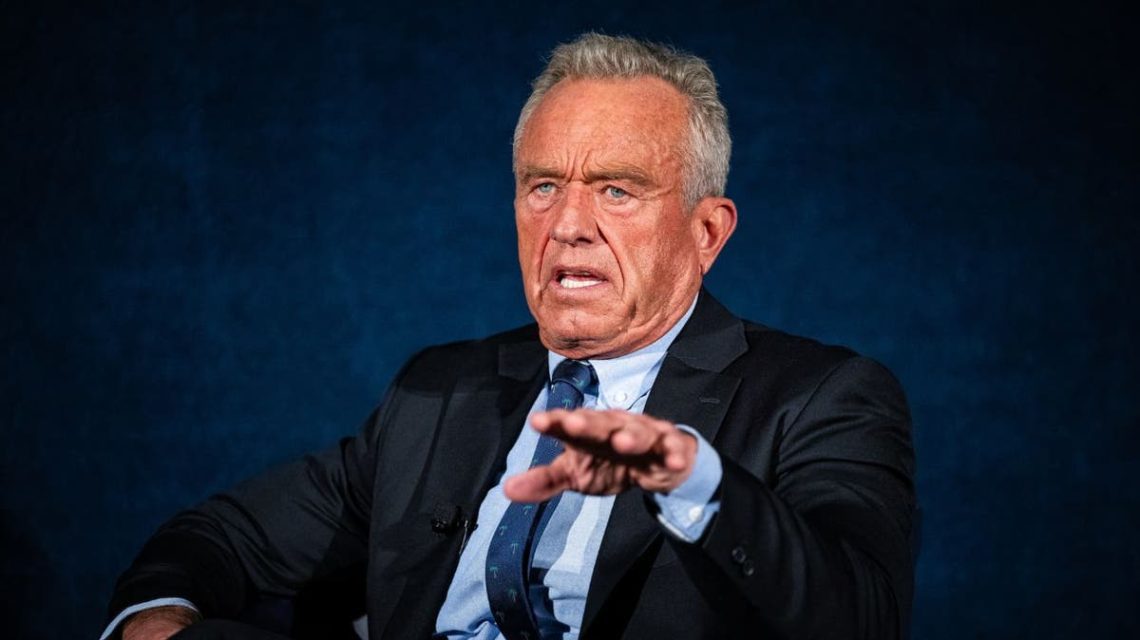
The White House aims for a comprehensive response to addiction, engaging various sectors to save lives and restore families. A subsequent $100 million program launched by the Department of Health and Human Services (HHS) will address addiction, mental health, and homelessness. HHS Secretary Robert F. Kennedy Jr., who has overcome heroin addiction himself, oversees this program alongside former Representative Patrick Kennedy, a recovering alcoholic, to champion recovery efforts.
The initiative clarifies the nationwide need by pointing out that 48.4 million Americans suffer from addiction. The White House emphasizes the role of community and faith in combating denial, a common trait among addicts. Faith and exemplary role models can help individuals transcend denial and seek help.
President Trump’s commitment to addressing addiction stems partly from personal experience, acknowledging the struggles his brother Fred faced with alcoholism. During his presidency in 2019, he recognized the opioid crisis as a public health emergency, and he continues to engage personally in efforts to address addiction.
A vital aspect of these efforts is raising awareness and emphasizing the role of faith. However, equally important is the deployment of scientific measures. Technologies such as buprenorphine and naltrexone, along with GLP-1 agonists, are vital in curbing addiction. These medications reduce euphoria and cravings, which are pivotal in recovery. Statistics show that medically assisted therapies significantly curb opioid-related deaths.
It is imperative that these treatments are accessible, with federal support ensuring their availability. Every healthcare provider should be able to prescribe these medications without barriers, while places of worship should house federally-supported recovery programs.
Ultimately, addiction is a destructive force that affects individuals, families, and communities. Recovery calls for a multi-faceted strategy grounded in faith, top-notch healthcare, and leadership from professionals who can empathize with those struggling. With over ninety years since the inception of AA, its spiritual and caring ethos remains integral in the journey to overcome addiction.
Dr. Marc Siegel, a professor of medicine and medical director of Doctor Radio at NYU Langone Medical Center, highlights these issues in his upcoming book, “The Miracles Among Us: How God’s Grace Plays a Role in Healing.” Follow him on social media for more insights.
 Researchers Escorted Out of Diabetes Conference for Criticizing Trump Administration
 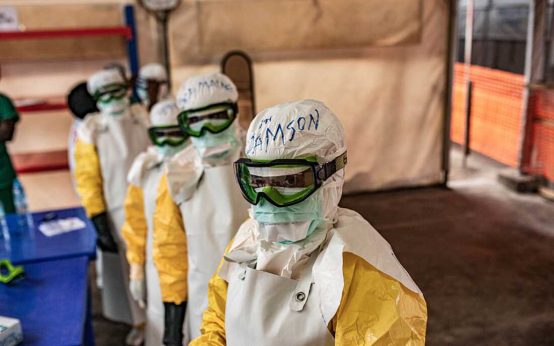 Ebola Outbreak in Africa: A Serious Concern
 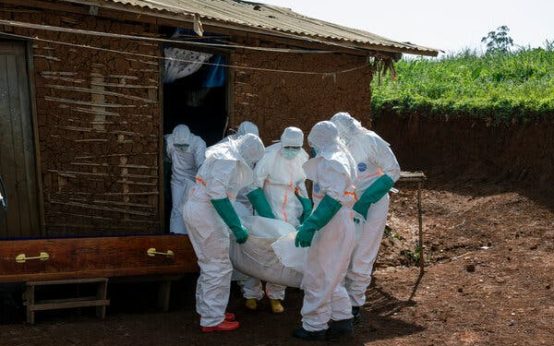 Gold and the Ebola Outbreak in Congo’s Mining Towns
  House Passes Bill for Veterans’ Benefit Increase
  Gene Editing in Human Embryos at Columbia University
  Melinda French Gates Commits $215 Million for Global Women’s Health