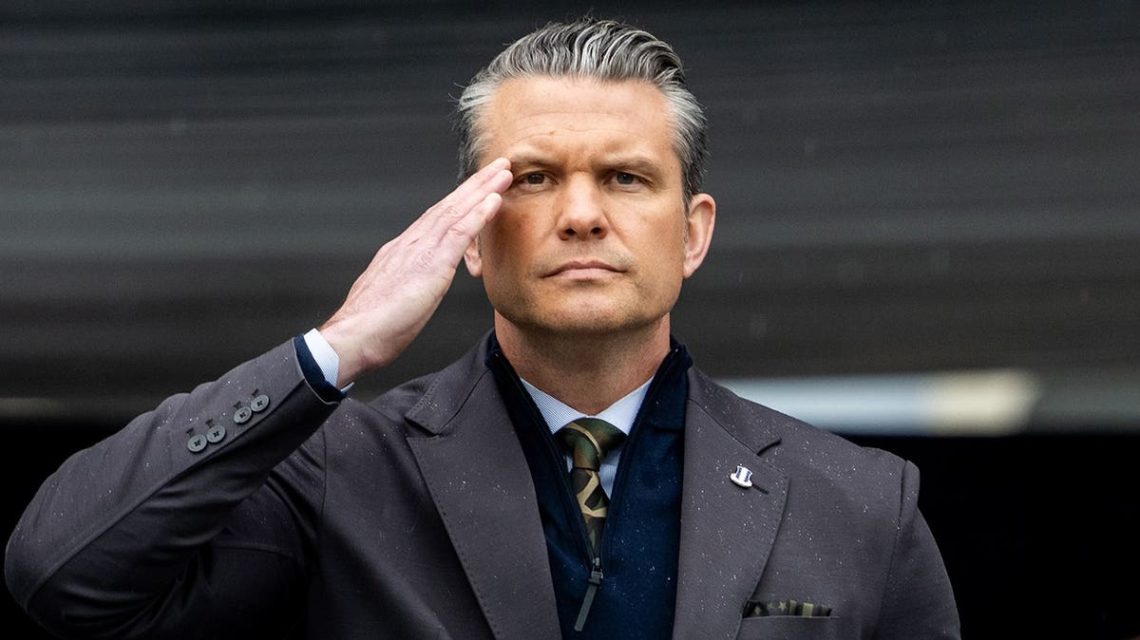
On a rainy Saturday morning, I watched as cadets at the United States Military Academy marched into the Long Gray Line. The ceremony at Michie Stadium brought back memories of my graduation from West Point in 1973. I was there to prepare for a television interview that afternoon, but the experience turned out to be more significant than expected. For the first time in many years, a commencement address at West Point resonated with sincerity about God, duty, sacrifice, and war.
The address was given by Secretary of War Pete Hegseth. I first met Pete in the summer of 2000 when he was an intern with the Family Research Council, where I served as vice president for policy. Even then, Pete, a Princeton student and basketball player, was intelligent, disciplined, and openly grounded in his Christian faith. My children admired him immediately.
Years later, I watched Pete’s rise as a television personality on Fox News, where I’ve also served as a military analyst. Beyond television, Pete served with honor, deploying to Iraq and Afghanistan with the Army National Guard, and later advocating for veterans. This background gave him credibility to the 994 graduates in attendance at the ceremony.
Unlike many recent commencement speakers, Pete avoided a sanitized speech. He offered these future officers a rare, honest account of their chosen path. The core of his address was derived from Isaiah 6:8: “Whom shall I send, and who will go for us? … Here am I! Send me.” This verse is apt for young cadets who are stepping into roles as commissioned officers in the United States Army.
Pete addressed crucial issues that are often avoided in official ceremonies.
Graduating from West Point means joining an institution founded by President Thomas Jefferson in 1802 to produce leaders capable of defending the nation. West Point graduates have served in conflicts from the Civil War to recent wars in Iraq and Afghanistan. The motto “Duty, Honor, Country” embodies sacrifice, not corporate success.
My graduation in 1973 came at another challenging time. The Vietnam War was waning, but tensions in the Middle East and the Cold War persisted. Our speaker was Admiral Thomas H. Moorer, addressing a class entering a transitioning Army.
Today’s cadets face a complex world with ongoing conflicts like Russia’s war in Ukraine and China’s pressure on Taiwan. Advances in technology, such as AI and cyber warfare, are reshaping battlefields. Hegseth addressed military culture with candidness, emphasizing the importance of character amid modern challenges.
For years, mentioning God or Scripture seemed taboo in military settings, but Hegseth acknowledged their relevance. In combat, questions of courage and morality are immediate. Hegseth critiqued the military’s focus on diversity programs over readiness, endorsing a return to merit and the true duties of commissioned officers.
Combat exposes ideologies, and moral clarity becomes essential. An officer’s duty under fire involves timely judgment, the courage to decide under uncertainty, and faith to lead in extreme conditions.
Hegseth also shared personal reflections on his family. He mentioned his pride if his son responded to the nation’s call with “Send me.” This mirrors the continuity at West Point, linking generations of graduates over centuries.
As today’s graduates enter an evolving Army, they face ethical questions raised by advancing technologies. Nevertheless, moral judgment remains a human quality, molded by honest reflection like that encouraged by Hegseth.
America requires leaders, not just skilled officers. It needs individuals who understand both the horrors of war and the moral responsibilities of command. These are the young men and women willing to answer the enduring call: “Here am I, Lord. Send me.”
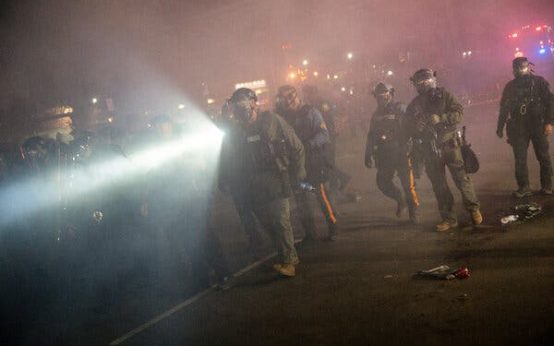 New Jersey Struggles with Protests Near Immigration Detention Center
 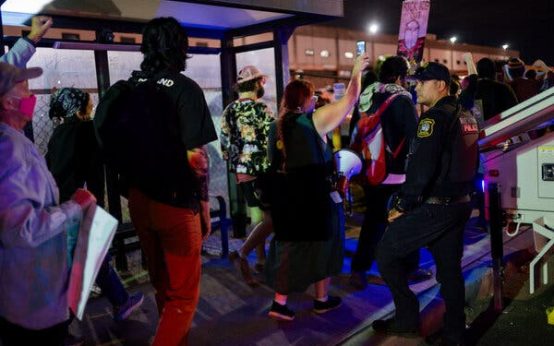 Newark Scales Back Police Presence at Detention Center Protests
 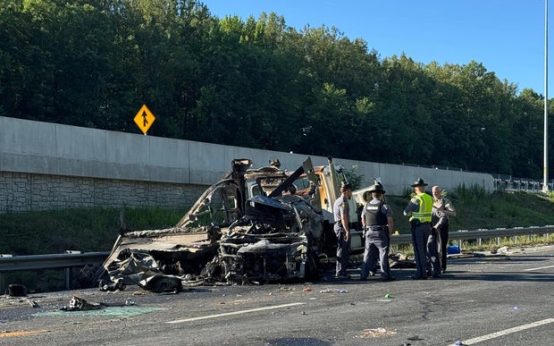 Investigation into Bus Company’s Network and Safety Violations
  Inflation’s Rise Challenges Economists’ Claims
  Support Pours in for Airport Worker After Viral Video
  Father Shares Water Safety Lesson After Daughter’s Close Call