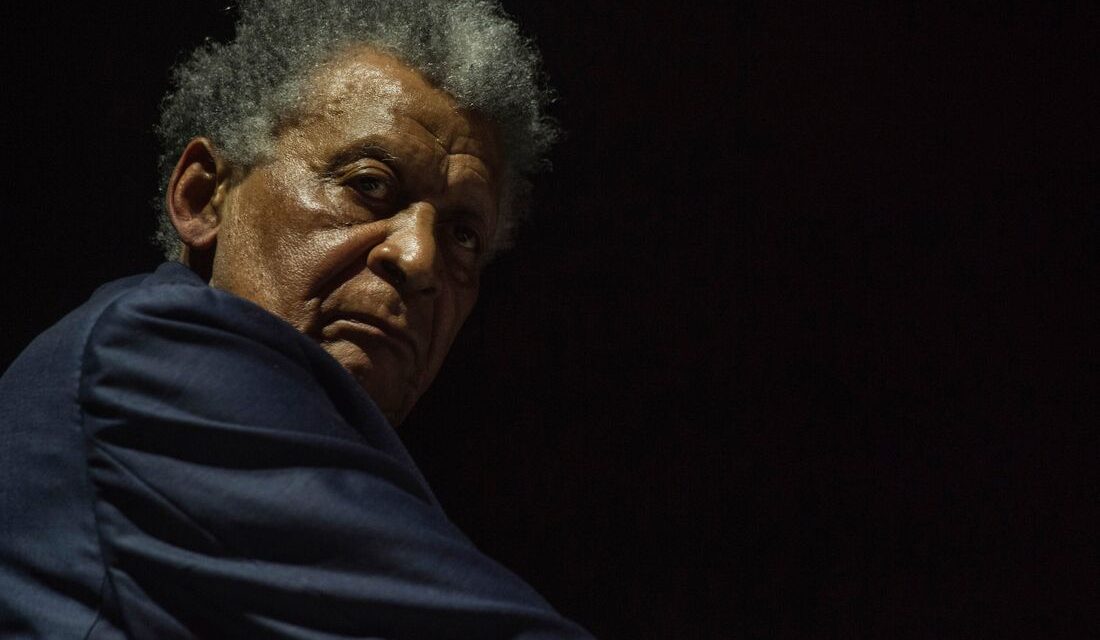
Abdullah Ibrahim, a monumental figure in South Africa’s jazz history, passed away at the age of 91 in his adopted home of Germany. Known for his deep connection to his homeland, Ibrahim’s music was celebrated globally. His partner, Marina Umari, remarked on his unwavering love for South Africa despite his travels.
Born Adolph Johannes Brand in 1934, Ibrahim’s journey into music began early. He learned piano from his mother, who played at their church, and by the age of 7 was taking lessons. His professional career commenced at 15 under the name Dollar Brand. In the late 1950s, he formed the Jazz Epistles with trumpeter Hugh Masekela. Their 1960 album, Jazz Epistle Verse One, became a significant piece of South African jazz history.
The political climate following the Sharpeville massacre in 1960 led to challenges for the Jazz Epistles. Ibrahim moved to Europe where his wife Sathima Bea Benjamin introduced him to Duke Ellington in 1963. This meeting led Ellington to produce Duke Ellington Presents the Dollar Brand Trio, elevating Ibrahim’s profile in the European jazz scene.
Ibrahim’s performances were noted for their introspective and spiritual quality. Pianist Vijay Iyer remarked on the meditative essence of Ibrahim’s music, noting its fearless quietude and composed surrealism. South African pianist Nduduzo Makhathini found Ibrahim’s sound familiar yet expansive.
In 1965, after marrying Benjamin, Ibrahim moved to the United States and performed at the Newport Jazz Festival. He substituted for Duke Ellington on several tour dates and later received a Rockefeller Foundation grant to study at Juilliard. He created strong connections with jazz legends such as Max Roach and Ornette Coleman.
Ibrahim converted to Islam in 1968, changing his name from Dollar Brand. This period marked a clearer synthesis of jazz with South African music in his work. He composed “Mannenberg” on a visit to South Africa in 1974, a track reputedly smuggled into Robben Island prison for Nelson Mandela, who later lauded him as South Africa’s Mozart.
During the ’80s, Ibrahim was an influential presence in jazz and regularly performed at venues like Sweet Basil in New York. Pianist Kenny Barron, inspired by a duet set featuring saxophonist Carlos Ward, created “Song for Abdullah” as a tribute.
Ibrahim’s musical influence extended into the new century with works that deeply impacted pianists like Makhathini and Iyer. His compositions for films such as Chocolat and participation in documentaries celebrated his legacy. His contributions were recognized with a 2018 NEA Jazz Masters Fellowship.
Reflecting on his career in a 2019 interview, Ibrahim shared advice from Ellington on combining old and new material. He spoke of a journey that continues, imbued with a sense of joy and ongoing pursuit.
 Bipartisan Group Prepares L.A. Concert for America’s 250th Anniversary
  Katy Perry and Justin Trudeau’s Weekend in Santa Barbara
  Bonnie Tyler’s Health Update: Out of Coma but Still in Intensive Care
  Shania Twain Discusses Body Image and Acceptance
  Ashley Cooke Discusses Living with a Rare Heart Condition
 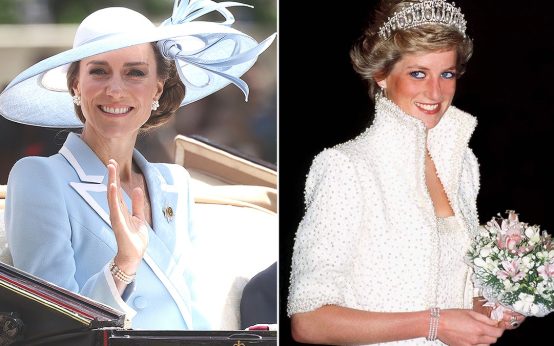 Kate Middleton’s Significant Appearance at Trooping the Colour