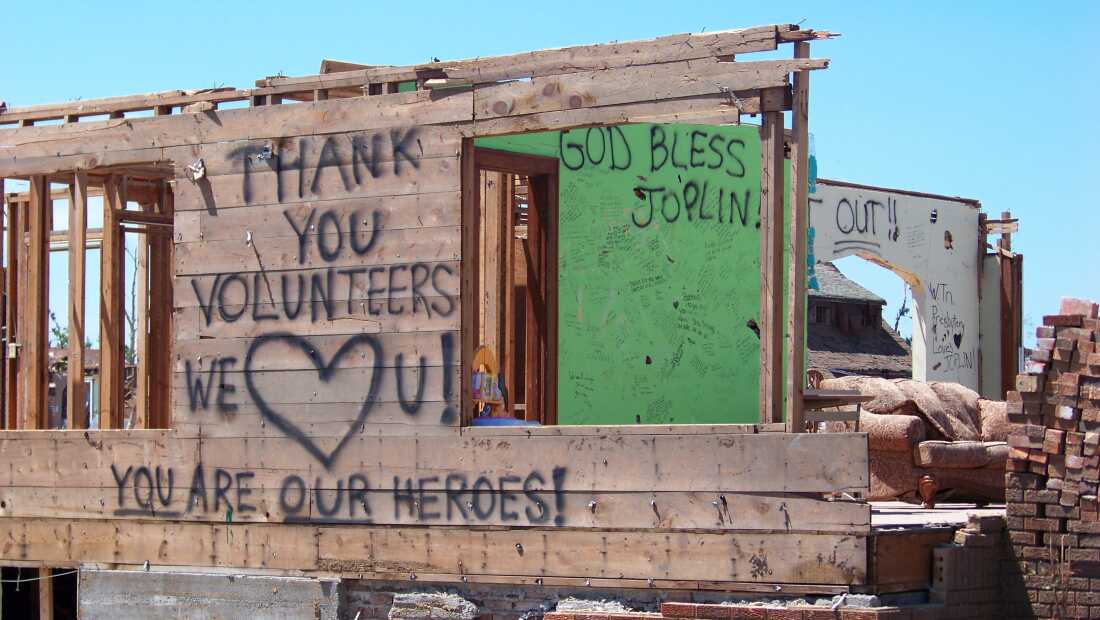
On May 22, 2011, a destructive tornado tore through Joplin, Missouri. Among those affected was Nanda Nunnelly, who sought shelter with her husband and dog as the storm approached. With winds reaching 200 mph, she feared for her life but survived, though her house was destroyed. This catastrophic tornado, one of the deadliest in U.S. history, claimed nearly 160 lives and displaced a third of the city’s population.
In the wake of the disaster, a remarkable influx of compassion and assistance emerged. Thousands of volunteers from across the nation helped clear debris and rebuild. FEMA reported that Joplin residents even wrote heartfelt thank-you messages to those who came to help. Columbia University researchers noted the absence of political conflict during the recovery efforts. The community united to reopen schools on schedule that fall.
Stories of kindness flourished. Darren Fullerton of Missouri Southern State University recalled ranchers cooking steaks for volunteers and a dean who, despite losing his home, coordinated emergency shelter arrangements. Acts of goodwill, like a clown entertaining children in the shelter, became common during this time.
Joplin’s recovery required extensive cooperation. Millions of cubic yards of debris were cleared by various collaborators, including government contractors, private entities, voluntary agencies, and faith-based organizations. Melodee Colbert-Kean, the vice-mayor at that time, observed the collapse of social barriers, fostering a collective human spirit to aid one another.
Jamil Zaki, a psychologist, describes this phenomenon as “catastrophe compassion,” where despite crises, humanity prioritizes kindness over conflict. In times of disaster, people often transcend individual identities and join a broader community to support one another.
Personal stories of transformation emerged, as seen with Nanda Nunnelly. Reflections in moments of peril prompted her to rekindle relationships she neglected, including making amends with someone she wronged in her youth. Her experiences inspired her to give back, later joining a board focused on supporting vulnerable individuals during severe weather conditions.
Instances of altruism arising from suffering are evident, where those who received help during hardship became motivated to aid others. Stephen Zaki mentions that experiencing pain often enhances empathy and altruistic behaviors. After surviving disaster, many continue to help those facing similar struggles, akin to how veterans support fellow veterans.
Community compassion following disasters often fades, but Joplin took steps to preserve its shared spirit. “One Joplin,” an organization formed from philanthropic recovery efforts, aims to address ongoing challenges faced by the working poor and advocates for affordable housing. Nicole Brown, the group’s executive director, stresses the continuous need to foster community connection.
Jay St. Clair, a minister who opened his church as a shelter after the tornado, remains dedicated to community service. He emphasizes the need for communal efforts for positive change. Catastrophes can reveal true character, with COVID-19 affirming this. Global data highlighted that acts of kindness increased during the pandemic, suggesting optimism for future challenges.
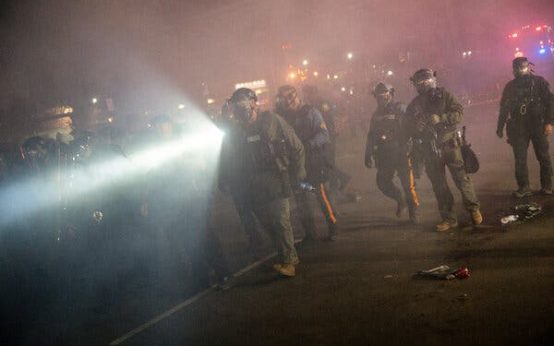 New Jersey Struggles with Protests Near Immigration Detention Center
 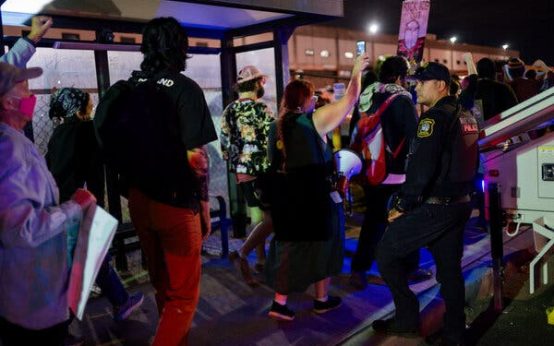 Newark Scales Back Police Presence at Detention Center Protests
 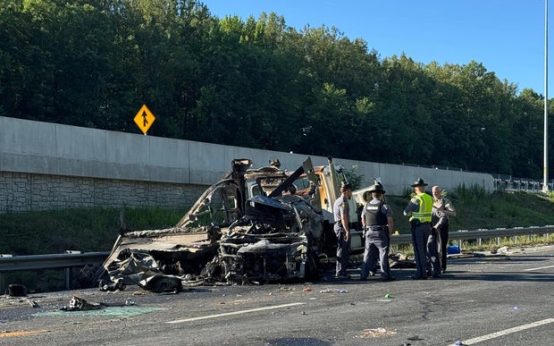 Investigation into Bus Company’s Network and Safety Violations
  Inflation’s Rise Challenges Economists’ Claims
  Support Pours in for Airport Worker After Viral Video
  Father Shares Water Safety Lesson After Daughter’s Close Call