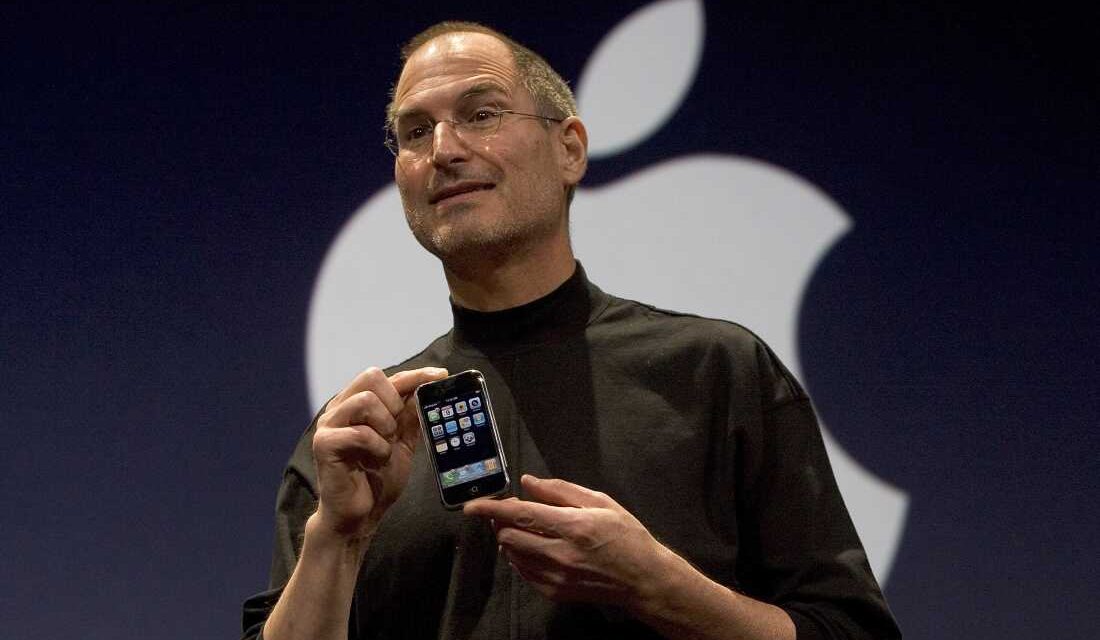
In 2007, Steve Jobs, Apple CEO, introduced the iPhone. This event marked a pivotal moment in technology and coincides with a noticeable drop in birth rates over the following years. A new working paper proposes that the proliferation of smartphones could be a factor in this ongoing decline.
Economist Caitlin Myers posits that there is a significant link between smartphones and the declining fertility rates. Since 2007, the United States has experienced a 22% fall in birth rates. Initially, this decline was attributed to the Great Recession, with expectations of a rebound as the economy recovered. Yet, birth rates continued to decrease even after economic stabilization.
“Whatever it is, it must be big, and it needs to coincide with about 2007 because that’s when we see all the births go down,” says Myers, an economics professor at Middlebury College.
Myers suggests that the introduction of the iPhone might have influenced this trend significantly. Her paper, “Is the iPhone Birth Control?”, proposes that smartphones account for 33% to 50% of the observed decrease in birth rates.
Smartphones and Geographical Trends
To investigate this theory, Myers analyzed an interesting historical occurrence. Initially, iPhones were exclusive to AT&T. Some regions had AT&T broadband coverage and access to iPhones, while others, like areas in Vermont, did not.
Myers observed that in areas where iPhones were accessible, birth rates began to decline noticeably. This pattern persisted even after considering factors like urbanization and economic conditions.
Behavioral Changes and Youth Impact
The decline in birth rates is most evident among teenagers. This behavior shift aligns with findings from Jean Twenge, a psychology professor at San Diego State University. Twenge notes that smartphones have changed how adolescents spend their time. They engage more online and less in-person, impacting social interactions.
“You’re probably not going to get pregnant if you’re not interacting with people in person,” Myers remarks.
Myers, along with her stepson Ezekiel Hooper, also speculates that smartphones have facilitated access to information about contraceptives and abortion. Additionally, these devices make it easier to access pornography, possibly reducing interest in real-life relationships.
Although Apple did not respond to inquiries about Myers’ paper, it is evident that smartphones, now widespread, could have lasting effects on social behavior and fertility trends. Whether birth rates will stabilize or continue to fall remains uncertain, and Myers suggests ongoing observation is necessary.
 Elevated Mortality Risks for Divorcees and Widows
  AI-Driven Docudrama ‘Dreams of Violets’ Debuts at Tribeca Festival
  Robot Soccer: Testing the Limits of Humanoid Machines
  Routine Surgery Unveils Unexpected Pregnancy for UK Woman
  A Mother’s Journey: From Unexpected Diagnosis to Life-Saving Transplant
  Veteran News Anchor Bill Ritter Diagnosed with Alzheimer’s Disease