Orange Chicken and Health Awareness
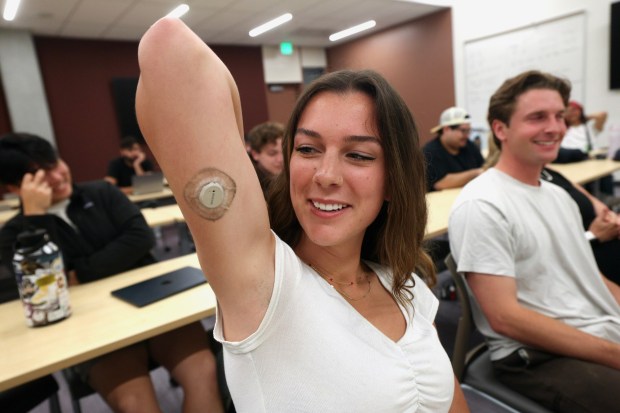
Adam Van Voorhees regularly enjoyed orange chicken until an unusual white patch on his arm suggested a change was needed. At 22, he didn’t pay much attention to his diet until his continuous glucose monitor (CGM) alarm signaled a spike in his blood sugar after eating at Panda Express. Although not diabetic, Van Voorhees utilizes a monitor often used by Type 1 diabetics for a class at UC San Diego.
The Monitor’s Role in Education
In the past, these monitors were only available via prescription. However, with the introduction of Dexcom’s Stelo monitor, offered over-the-counter, Mary Boyle, a cognitive science professor, saw potential in using the technology for educational purposes. She enlisted her students in a class called Metabolic Health Analytics to study how CGMs can encourage healthier lifestyle habits.
Real-Time Feedback
CGMs provide a unique perspective on how our bodies respond to food and lifestyle choices. They offer immediate feedback on activities, such as eating a candy bar or taking a short walk. The device’s effectiveness for those with diabetes is established, with behavior changes potentially preventing severe health outcomes. Boyle aims to understand if similar behavior changes can be encouraged in non-diabetic individuals.
Student Experiments and Discoveries
Each student in the class undertook personal experiments using the monitors. These N-of-1 trials allowed them to explore personal health hypotheses. For instance, one student tracked stress impacts on glucose, noticing elevated levels on exam and interview days. She engaged in relaxation techniques such as meditation and brief walks, observing a calming effect both emotionally and via the monitor’s feedback.
The Influence of Lifestyle Factors
Boyle emphasizes how hormones, like cortisol, can affect morning glucose levels, independent of diet. She involved perimenopausal and postmenopausal women in similar studies to further explore these effects.
Changing Perspectives on Diet
Students reported adjustments in their perceptions of seemingly healthy foods, like smoothies, following CGM readings. They became more aware of the body’s inflammation processes. However, some, like Rithika Muttukuru, experienced anxiety due to frequent alarms—a phenomenon known as “device burden.”
Long-Term Benefits
According to Dr. Robert Thomas of UC San Diego, while constant use of the monitor isn’t necessary for everyone, an annual month-long trial can benefit those who are health-conscious or prediabetic. For individuals like Jaidy Leyva, the CGM offered invaluable insights, enabling them to see real-time effects of dietary choices, leading to more informed health decisions.
 U.S. Government Restricts AI Lab Anthropic Amid Security Concerns
  U.S. Government Orders Suspension of Anthropic’s A.I. Models
  Hantavirus Outbreak on Cruise Ship Raises Concerns: A Closer Look
  SpaceX’s Historic IPO: Breaking Records and Creating Billionaires
 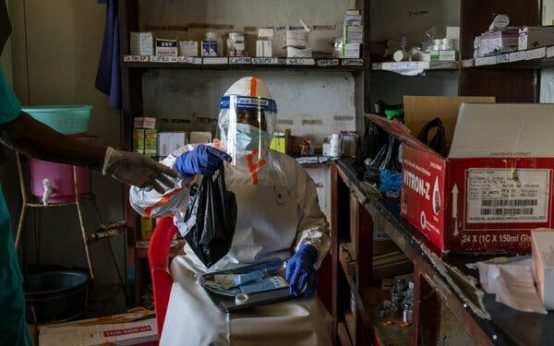 Efforts to Develop Treatments for Bundibugyo Virus
  Welder’s Journey to Wealth: From Joining SpaceX to IPO Payday