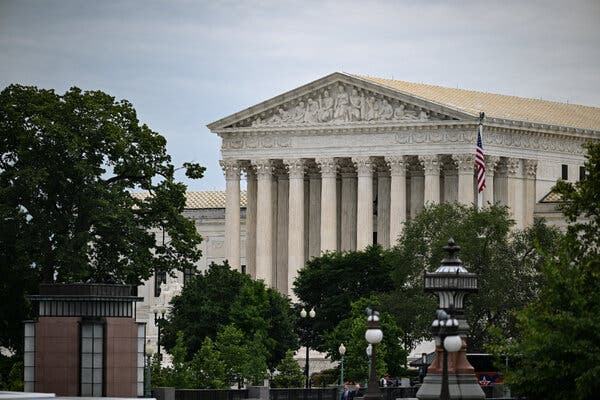
The Supreme Court has intervened to halt the execution of Jeffery Lee, a 49-year-old convicted murderer in Alabama, slated to be executed using nitrogen gas, a relatively novel method. The decision came as a response to an appeal by Alabama officials, following a lower court’s conclusion that the method was “likely unconstitutional” in this case.
The unsigned ruling did not include an explanation, a common practice in emergency decisions. However, dissent was noted from three conservative justices: Clarence Thomas, Samuel A. Alito Jr., and Neil M. Gorsuch. This setback for Alabama could pave the way for more extensive legal challenges surrounding nitrogen hypoxia. Alabama, which pioneered this execution method in 2024, now finds the method’s use potentially in jeopardy.
Had the execution proceeded, Lee would have been the eighth person executed in Alabama, and the ninth nationwide, using this method. The Supreme Court’s intervention at this late stage is unusual. Typically, requests to halt execution come directly from the prisoner. In this case, a federal appeals court had already blocked Lee’s execution, prompting Alabama to seek the Supreme Court’s intervention to reverse that decision.
This remains an evolving situation, and further developments are anticipated as the legal discourse progresses.
Contributors: Rick Rojas, the Atlanta bureau chief for The Times, covers the South. Abbie VanSickle covers the United States Supreme Court for The Times and brings extensive legal and investigative reporting experience.
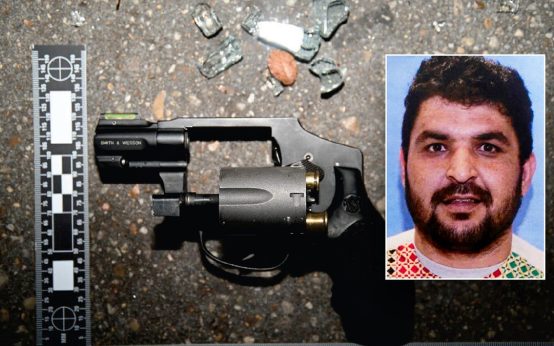 Afghan National Pleads Not Guilty in DC Shooting Case
 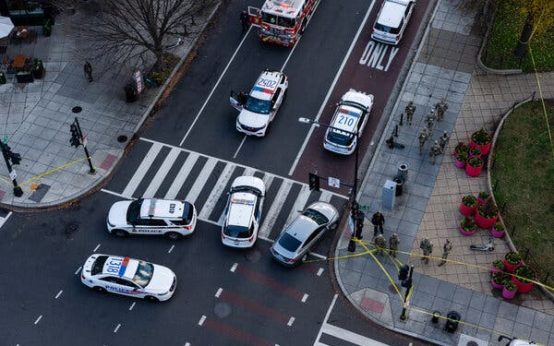 Federal Murder Charges Raise Death Penalty Possibility
  Florida Judge Orders Teen Held in Stepmurder Case
  Supreme Court to Decide on Six-Person Juries in Criminal Cases
 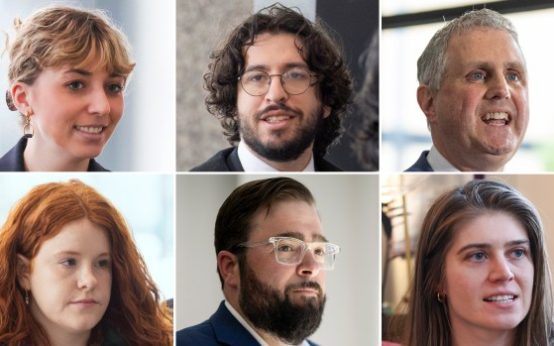 Andrew Boutros’ Tenure as U.S. Attorney for Northern District of Illinois
  Supreme Court Rejects Carter Page’s Lawsuit Revival