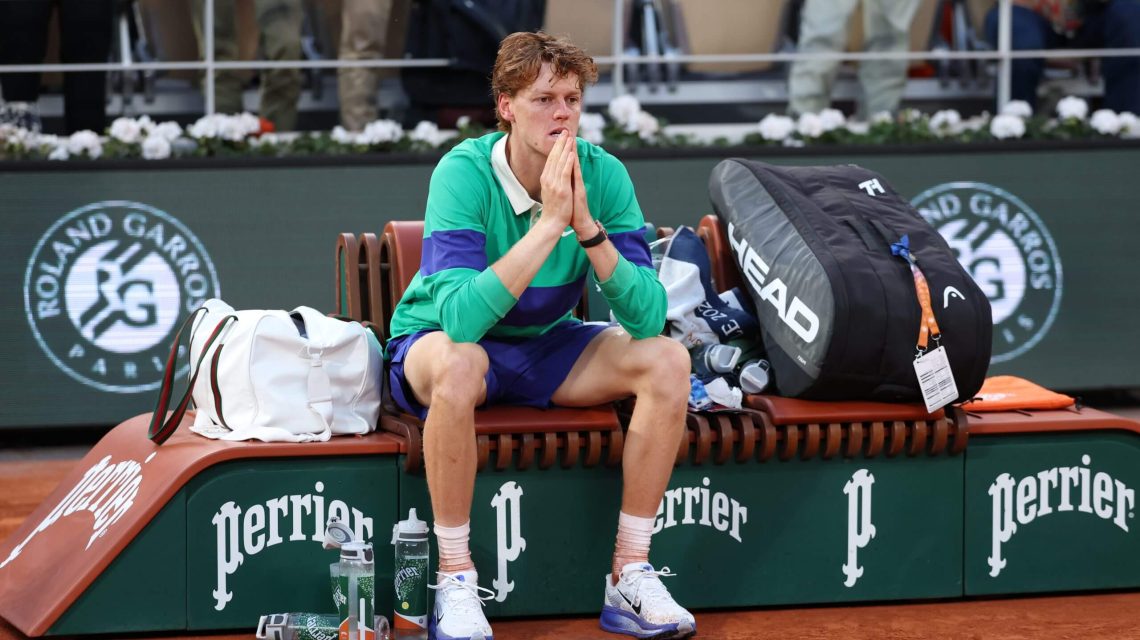
This weekend in Paris, a significant moment awaits in the tennis world as a man and a woman are set to seize the greatest opportunity of their careers. They must close a match to win a Grand Slam title. Among these athletes, Mirra Andreeva, Maja Chwalińska, Alexander Zverev, and Flavio Cobolli have a chance to write tennis history. Winning isn’t straightforward, as players may miss several opportunities before emerging victorious on such a grand stage.
The French Open’s Unique Challenge
The French Open has a long history of testing players. Take Jannik Sinner, for example. Sinner experienced immense heartbreak in a previous men’s final, where he lost a two-set lead and three championship points against Spain’s Carlos Alcaraz. The experience haunted him, yet it fueled his determination.
Similarly, players like Tommy Paul and Coco Gauff experienced the difficulty of closing matches this year. Paul lost after failing to convert match points against Casper Ruud, while Gauff was unable to maintain her form against Anastasia Potapova. Closing matches is daunting, with many players struggling at the final stages.
Challenges of Closing Matches
Closing a tennis match requires mental fortitude. Pressure dynamics play a significant role, encompassing elements like expectation, underdog freedom, and score pressure. These dynamics culminate when it’s time to finish strong, often leading to players losing control as victory seems within reach.
Experience and mindset matter. Take Jannik Sinner again. His French Open loss shaped him into a formidable closer. In tough situations, Sinner adjusts his strategy and stays composed, as shown when he defeated Alcaraz at Wimbledon afterward.
Differing Approaches
Not all players follow the same path. Rafael Nadal, a Grand Slam icon, played every point as decisive. His routine and focus were part of his strategy. Meanwhile, Aryna Sabalenka struggled to close a match at this year’s French Open, illustrating how crucial mental resilience is in crucial moments.
Cobolli’s recent experience highlights how pressure affects players. Against Zachary Svajda, he nearly lost control even when leading. He reflected on his tendency to overthink, acknowledging the pressure’s impact.
Lessons Learned
Learning from past matches, players like Sinner and Paul continue refining their closing skills. Paul acknowledged his challenges yet managed to save match points and claim victories, showing growth from failures.
Experience is invaluable. Zverev, with multiple Grand Slam final appearances, underscores the importance of focusing on basics during crucial moments. He hopes his extensive match history will guide him to his first Grand Slam victory, despite challenges faced before.
In tennis, many factors determine success. While players approach challenges differently, the pressure of closing a match remains a shared burden, requiring determination and tenacity.
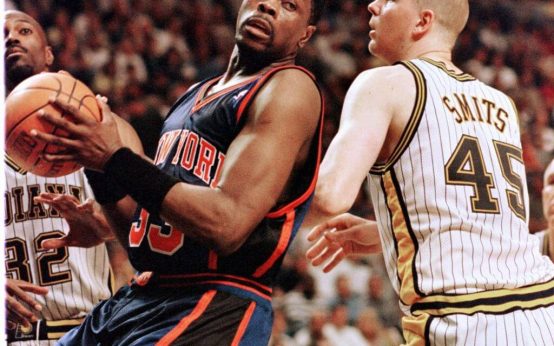 The New York Knicks’ Journey Back to the NBA Finals: Key Moments and Decisions
  Chicago Bulls Face Crucial Draft Decision with Key Picks
  England National Team Utilizes Palm-Cooling Technology for World Cup
 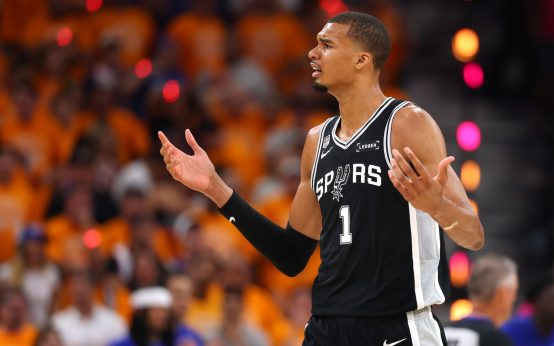 Victor Wembanyama Faces Criticism After Game 2 Mistakes
  President Trump’s Sports Engagement and Salary Cap Views
  June in Major League Baseball: Pride Month Observances