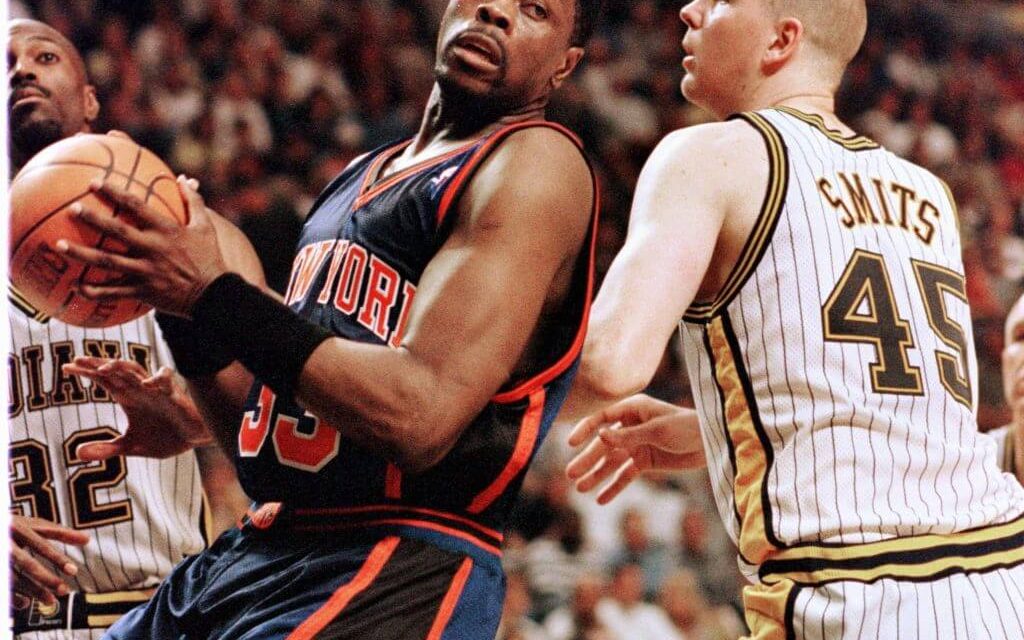
The New York Knicks have returned to the NBA Finals after a 27-year absence. Madison Square Garden will once again host finals games, bringing excitement and anticipation to a city that has long waited for this moment. Over the years, Knicks fans have endured much disappointment, but with a fresh approach and strategic changes, the team has emerged stronger.
The Knicks’ Road to Recovery
New York’s return to the finals comes with a unique twist. Like the 2020 Los Angeles Lakers, the Knicks reached the finals without any of their own first-round picks in the starting lineup. Their path to recovery involved careful roster building and smart decisions that differed significantly from the team of 1999.
Key Decisions and Turning Points
Trading Patrick Ewing
In 2000, the Knicks traded franchise legend Patrick Ewing to Seattle, marking the end of an era. Ewing, though 38, was still a significant figure. The decision led to the resignation of head coach Jeff Van Gundy and a complete team overhaul.
The Antonio McDyess Trade
In 2002, the Knicks acquired an injured Antonio McDyess, a decision considered one of the worst in the team’s history. They gave up Marcus Camby, Mark Jackson, and a first-round pick, receiving little in return as McDyess played only 18 games.
The Larry Brown Era
Larry Brown’s tenure as head coach in 2005 was brief and chaotic. After just one season with a 23-59 record, he left with over $40 million remaining on his contract. He was replaced by Isiah Thomas, marking another low in team management.
The Carmelo Anthony Trade
Trading for Carmelo Anthony in 2011 brought a star to New York, but the high cost arguably restricted the team’s long-term success. Despite the lack of championships, Anthony remains a celebrated figure at Madison Square Garden.
Linsanity
Jeremy Lin’s brief but memorable stint in 2012 offered a surge of enthusiasm and hope for the Knicks. During his 35 games, Lin delivered thrilling performances that captivated the sports world.
Recent Strategic Moves
Hiring Leon Rose
In 2020, the Knicks hired Leon Rose as team president, sparking a new era of informed management. Rose brought in Tom Thibodeau as head coach and formed a team of skilled executives, leading to a strategic restructuring.
Drafting Immanuel Quickley
Quickley’s acquisition from a trade for Marcus Morris was an important factor in the Knicks’ resurgence. Selected 25th overall, Quickley became integral to the lineup, nearly winning Sixth Man of the Year in 2023.
Signing Jalen Brunson
The 2022 signing of Jalen Brunson proved to be a pivotal decision. Initially contentious due to his connection with Rose, Brunson quickly established himself as the team’s cornerstone, potentially earning a place in Knicks history.
Trading for Key Players
Recent trades for players like Josh Hart and OG Anunoby have strengthened the team. Hart became a vital component, embodying the physical playstyle under Thibodeau. Anunoby, though expensive to acquire and retain, proved to be crucial in the Knicks’ finals push.
Additionally, the acquisition of Mikal Bridges and Karl-Anthony Towns before the 2023 season provided the Knicks with defensive prowess and offensive depth, elevating their gameplay.
Coaching Change to Mike Brown
Firing Thibodeau despite past success, the Knicks turned to Mike Brown by necessity. Brown’s leadership and style have significantly contributed to the Knicks’ finals run, marking him as one of the key architects of their comeback.
These carefully orchestrated moves and decisions have paved the way for the Knicks’ return to the NBA Finals, ending a long and arduous journey for the team and its dedicated fans.
 The Challenge of Closing: Overcoming Grand Slam Pressure
  Chicago Bulls Face Crucial Draft Decision with Key Picks
  England National Team Utilizes Palm-Cooling Technology for World Cup
 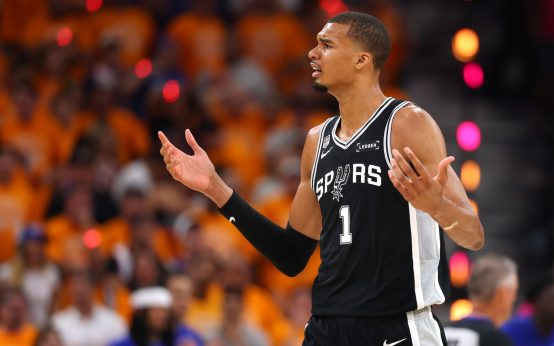 Victor Wembanyama Faces Criticism After Game 2 Mistakes
  President Trump’s Sports Engagement and Salary Cap Views
  June in Major League Baseball: Pride Month Observances