
Extreme facial exercises, intentional starvation, and reshaping facial features with tools are known as looksmaxxing. Primarily adopted by teenage boys and young men, this practice aims to enhance physical appearance at all costs. It has gained significant traction since becoming popular on TikTok in the early 2020s. Media coverage often highlights the cultural aspects of looksmaxxing, including the misogynistic ideologies it can perpetuate.
A number of influential looksmaxxers have amassed large followings, gaining celebrity status on platforms like TikTok and Kick. Despite this, the emotional well-being of these young participants receives little attention. As a mental health expert, I observe that looksmaxxing resembles symptoms of eating disorders and body dysmorphia. Such conditions can severely affect young individuals still developing their sense of identity and navigating complex social relationships, all under the added pressure of social media.
Giving media attention to looksmaxxers instead of recognizing these behaviors as mental health concerns may detract from addressing these significant issues. While looksmaxxing has existed online for years, its recent rise to mainstream awareness requires scrutiny.
The looksmaxxing trend repeats some troubling history.
Similar cultural phenomena have appeared before. During the 2000s, young women engaged in pro-anorexia and pro-bulimia communities online. Platforms like Tumblr and MySpace became hubs for sharing tips on disordered eating. Content was tagged “pro-ana” and “pro-mia,” reflecting their focus on encouraging harmful behaviors. Media coverage and research studies eventually led social media platforms to implement policies banning such content by 2012.
By 2026, social media platforms developed community guidelines focusing on directing users to helpful resources instead of harmful content. For instance, Instagram and TikTok offer pages about seeking help for eating disorders. Meta and Pinterest have created policies around self-harm, including banning weight loss ads.
Underpathologizing Young Men
Despite recognizing that eating disorder content harms mental and physical health, platforms have yet to address looksmaxxing. This practice often involves prominent figures treated as celebrities being interviewed about their methods. The difference in perception could partly be due to language. “Pro-ED” refers directly to a mental disorder, while looksmaxxing appears as goal-oriented self-improvement.
One significant factor involves gender. Looksmaxxing mainly targets young men, whereas pro-ED culture centered on women. Recent estimates indicate that one-third of those with eating disorders are male. The traditional view frames eating disorders as female-centric, impacting societal and healthcare views.
Clinical screenings often overlook how these disorders manifest in males. Young men tend to focus on leanness, trying to reach an ideal muscle-to-fat ratio. This discrepancy creates challenges for families and educators to recognize and address such issues effectively.
A Clinical Perspective on Looksmaxxing
Viewed clinically, looksmaxxing mirrors symptoms of eating disorders and body dysmorphia. It involves intense focus on physical imperfections and correcting them through potentially harmful means. Actions driven by such obsessions become compulsive, hindering normal life and health.
Some practices, like wearing makeup or shoe lifts, can enhance confidence. However, when these measures become necessary for functioning, issues arise. Likewise, dieting and exercising can be healthy, but excessively using amphetamines for weight control signals a problem.
Left untreated, these disorders can have long-lasting impacts. Early intervention and detection are vital, as these conditions raise risks of physical and mental health complications, such as cardiovascular issues and depression.
How society frames looksmaxxing influences its response. By examining this trend through a clinical lens, researchers can better understand how disorders manifest in males. Social media platforms can create guidelines around looksmaxxing, helping parents recognize warning signs and connect young men with appropriate care.
If you or someone you know could benefit from talking to a specialist in male eating disorders or other mental health concerns, search the directory at the National Eating Disorders Association or the men’s mental health organization HeadsUpGuys. If you or someone you know is in crisis and is based in the U.S., call the 988 Suicide & Crisis Lifeline to speak with a trained listener, or text HELLO to 741741. Both services are free, available 24/7 and confidential. If you are outside the U.S., consult resources like Psychology Today or a healthcare professional.
This article is republished from The Conversation under a Creative Commons license.
 Mount Sinai Health System Faces Subpoena on Gender-related Care
  Potential Ebola Outbreak in Central Africa Raises Concerns of Rapid Spread
  Researchers Escorted Out of Diabetes Conference for Criticizing Trump Administration
  Ebola Outbreak in Africa: A Serious Concern
  Gold and the Ebola Outbreak in Congo’s Mining Towns
 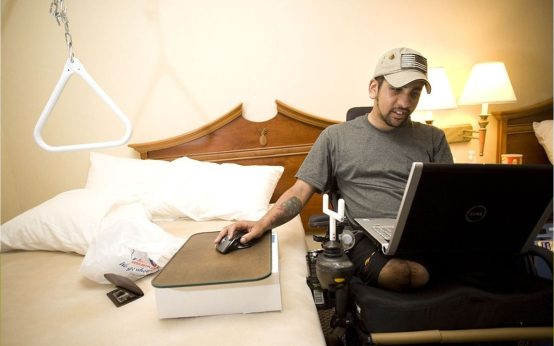 House Passes Bill for Veterans’ Benefit Increase