
Amber Nicole Thurman endured her final hours in agony, suffering from a severe infection at a hospital near Atlanta. The facility could have treated her condition, yet a new law created obstacles. After taking abortion pills, a rare complication emerged; she had not expelled all fetal tissue. She sought a routine dilation and curettage, known as a D&C, at Piedmont Henry Hospital. However, the procedure was now a felony under Georgia law, with few exceptions. Doctors risked up to a decade in prison if they proceeded unlawfully.
Thurman waited in pain as the infection spread, blood pressure dropped, and her organs began to fail. Twenty hours later, doctors operated, but it was too late. A state committee deemed her death, at age 28, preventable. The committee, examining pregnancy-related deaths to improve maternal outcomes, stressed the hospital’s delay as a major factor. ProPublica accessed reports confirming that lack of access to legal abortions led to other deaths, with more cases likely undisclosed. Committees review cases with a two-year lag, so current findings are from deaths after the Supreme Court overturned the federal right to abortion.
Doctors cautioned legislators that such laws could endanger lives. Despite Republican claims of exceptions for the mother’s life, experts highlighted issues with the laws’ lack of scientific foundation. Georgia’s law forced doctors to wait until a patient’s condition was irreversibly dire before intervening, increasing risk. Dr. Melissa Kottke from Emory warned lawmakers of the necessity to delay using critical medical procedures.
Healthcare providers involved in Thurman’s care declined to comment on their decisions. The hospital did not respond to repeated requests for an explanation. Georgia’s Department of Public Health, citing confidentiality, refrained from commenting on specific cases.
Legal D&Cs following the 1973 Roe v. Wade ruling significantly lowered maternal death rates, especially for women of color. However, with abortion bans in 22 states, women in danger were denied emergency care until their conditions worsened. Some women had to continue with high-risk pregnancies threatening their lives.
These situations affected ongoing political debates. In numerous states, reproductive rights became pivotal issues in elections. Despite Georgia’s high maternal mortality rate and racial disparities in health outcomes, state Republicans resisted efforts to expand health exceptions. Governor Brian Kemp lauded the law as a means to secure women’s health, dismissing opposition concerns as exaggerated fears.
Thurman’s social media showcased her close bond with her son. As a single mother, she balanced parenting with her career aspirations, planning to attend nursing school. The timing of a new pregnancy complicated her situation. On July 20, the day Georgia’s law took effect, her pregnancy was already past the legal limit. Thurman sought a surgical abortion in North Carolina but faced travel constraints.
On the day of her planned D&C, heavy traffic prevented her from reaching the clinic on time. Offered an FDA-approved abortion pill regimen, she reluctantly accepted. She faced logistical challenges, from taking time off work to confronting protesters. After the treatment, her symptoms escalated but lacked immediate access to follow-up care. North Carolina’s clinic, though willing to help, was hours away.
On August 18, Thurman vomited blood and passed out. Emergency services took her to Piedmont Henry Hospital. Medical experts analyzing her case from ProPublica’s narrative noted signs of danger: abdominal tenderness, high white blood cell count, and low blood pressure. The standard response, administering antibiotics and removing the infection source, was delayed despite the availability of D&C.
Instead, hospital staff conducted less urgent tests, fearing legal repercussions for violating abortion laws. Only hours later did they attempt a D&C, but by then, it was too late. Her organs failed, and an emergency hysterectomy attempted salvaging her life.
Thurman’s family was unaware of her pregnancy until her critical condition. Her final words to her mother, expressed before surgery, echoed the fears harbored by a vibrant woman confronting unnecessary mortality. She asked her mother to care for her son.
Experts reviewing her death stressed the potential life-saving impact of an earlier D&C. Each state committee aims to gather accurate data and shape policy based on maternal mortality reviews. Although the individual case reviews remain confidential, Thurman’s case prompted broader calls for hospital procedural changes.
Piedmont Hospital lacked clear policy guidelines when she arrived, complicating legal compliance. Since then, an internal task force has sought to educate staff, although without offering legal protection. The law’s language, criticized for vagueness, left doctors vulnerable to career-threatening legal challenges.
Georgia law complicates medical decision-making. It frames any use of instruments to terminate a pregnancy as illegal, even when medical necessity arises. A legal defense hinges on definitions not always aligning with medical realities, forcing doctors to reassess interventions for fear of prosecution. Legislation elsewhere followed similar tracks despite urgencies expressed by medical professionals.
State responses neglected pleas for clarifying laws while anti-abortion groups resistant to change maintained influence. Tennessee legislators, for example, faced setbacks when attempting to amend state abortion bans. The drive for compassionate healthcare conflicted with deeply entrenched ideological resistance, leaving doctors, and their patients, navigating murky legal waters.
Doctors continually face impossible choices as risk management strategies evolve in a legally ambiguous environment. They must weigh the potential personal dangers against professional responsibilities. Many fear penal recourse exceeding legal protection offered by their hospitals.
Catholic institutions further complicate care by transferring affected patients due to religious stances against abortion, with doctors often unable to coordinate necessary procedures independently. Thurman’s records, partially withheld, leave her family without full clarity on her passing. Her death certificate, noting septic shock and retained fetal tissue, contrasts with previous state records, which rarely included such terms. Her family found solace in confirming preventable aspects of her death through ProPublica, but persistent grief endures.
The impact of her absence is profound. Her family and friends continually deal with her loss, especially concerning her son. Though surrounded by love, his mother’s absence marks a continuing void. Monday would have been Thurman’s 31st birthday.
 Researchers Escorted Out of Diabetes Conference for Criticizing Trump Administration
  Ebola Outbreak in Africa: A Serious Concern
 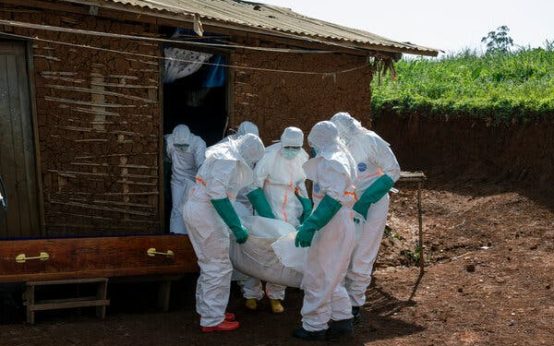 Gold and the Ebola Outbreak in Congo’s Mining Towns
  House Passes Bill for Veterans’ Benefit Increase
  Gene Editing in Human Embryos at Columbia University
  Melinda French Gates Commits $215 Million for Global Women’s Health