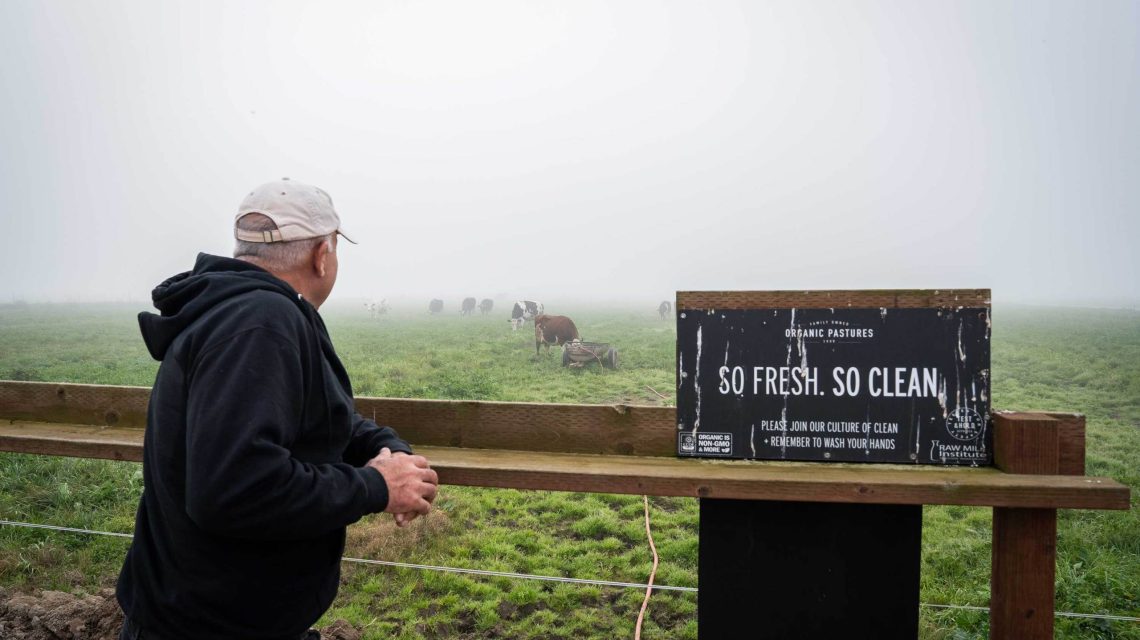
Raw Milk Popularity Surge
Driven by political changes and wellness trends, raw milk has evolved from a niche interest to a growing movement. This shift is fueled by a lack of trust in institutions. However, consuming unpasteurized milk carries significant risks due to potential contamination with harmful bacteria such as E. coli and salmonella.
The Debate on Safety
Despite rigorous hygiene practices, the risks linked to raw milk cannot be entirely eliminated. Contaminants from pathogens remain a pressing concern. Surprisingly, some lawmakers support the industry’s growth instead of focusing on public safety. High-level officials advocate the consumption of raw milk, despite health warnings.
Personal Encounters
During a visit to Raw Farm in California, a large raw-milk dairy operation, founder Mark McAfee extolled the supposed benefits of raw milk. He described the product as not only delicious but beneficial for conditions like asthma. However, science does not support claims of raw milk’s unique nutritional benefits or its capacity to cure diseases.
Consumer Statistics
The demand for raw milk has increased. More than 10 million Americans consume it, with national weekly sales rising by 65% from 2023 to 2024. Despite this growth, the potential for foodborne illnesses linked to raw milk is significant. McAfee’s farm alone has been connected to numerous outbreaks, leading to illness and hospitalization for many consumers.
Government’s Role
The involvement of government officials, including Robert F. Kennedy Jr., in promoting raw milk raises questions about public safety prioritization. While regulations restrict interstate sales, until recently, loopholes allowed distribution. Even when faced with outbreak links, proponents continue to champion the product.
Raw Milk Advocates
Supporters argue for the health benefits they believe are inherent in raw milk. They claim personal stories as evidence of its positive effects, although these benefits lack substantial scientific backing. Consumers often cite a desire for unprocessed food and skepticism towards large food corporations and health institutions.
Case Study: A Mother’s Experience
In 2006, Mary McGonigle-Martin’s son Chris fell severely ill after consuming raw milk. His E. coli infection highlighted the potential dangers. Although McAfee disputes the severity of these claims, the incident underscores the need for awareness about the product’s risks.
Regulatory Challenges
Despite multiple outbreaks and recalls, Raw Farm continues to operate. The farm insists on its testing protocols, although regulators question their efficacy. McAfee argues his products are safe, despite conflicting evidence and repeated instances of pathogen-linked illnesses.
Continued Concerns
Recent outbreaks have raised further alarms. Health agencies reported new E. coli cases linked to Raw Farm cheese, which the farm disputes. Despite this, consumer interest remains high, with supporters viewing the product as a personal choice or a symbol of freedom.
Conclusion
Raw milk remains a contentious topic. The combination of political advocacy, consumer interest, and health concerns creates a complex debate over market availability and safety. The perspectives range from skepticism towards scientific data to fervent belief in the supposed benefits of raw milk.
 Cancer Incidence Rises in Iowa
  Impact of GOP Cuts on Healthcare Facilities
 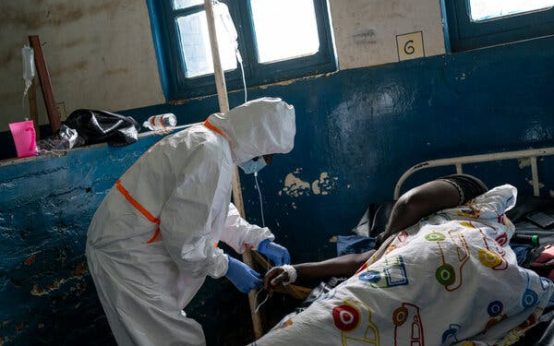 Ebola Outbreak in East Africa: Concerns of Prolonged Crisis
  Decline in Infant Mortality in the U.S.: 2025 Marks New Record
  Study Links Tyrosine to Shorter Lifespan in Men
  From Marathon Runner to Mother: A Recovery Journey