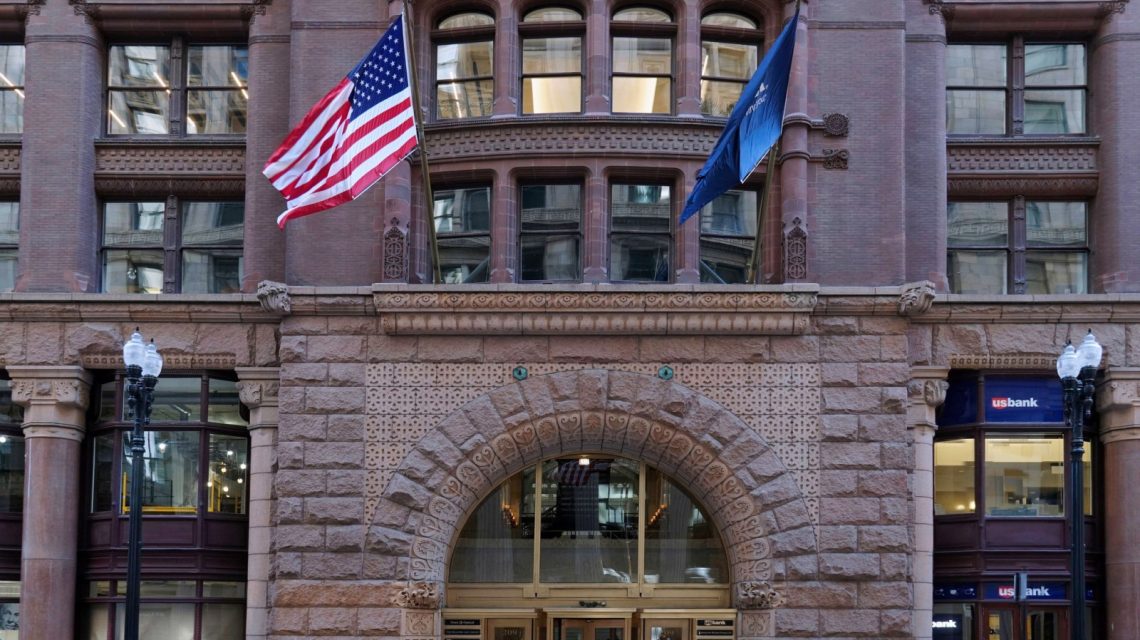
The Rookery Building in Chicago is a crucial link to the origins of the skyscraper. Built in 1885, it remains the oldest high-rise in the U.S. using a steel-frame system. This innovation redefined urban growth by allowing cities to build upward.
Historical Significance
The Home Insurance Building, constructed in 1884-1885, was the first skyscraper to use this steel-frame approach. Although demolished in 1931, its legacy continued through The Rookery. This building, finished in 1888, is the oldest existing example of this engineering breakthrough.
Preserving historic architecture is a growing trend in the U.S. The American Institute of Architects (AIA) reports that nearly half of the nation’s 125 million buildings are over 50 years old. Adaptive reuse is transforming old structures into modern apartments, with nearly 25,000 new units created by 2024 according to RentCafe, marking a 50% annual increase.
Environmental and Architectural Impact
The AIA suggests reusing structures can avoid 50 to 75% of carbon emissions typical of new construction, helping preserve embodied carbon. Architect Gordon Gill emphasizes the importance of updating older buildings to keep them relevant, instead of constructing new ones.
A City Reborn
The Rookery’s roots are tied to Chicago’s reconstruction after the Great Fire of 1871. The need for taller, stronger buildings led to the dawn of the skyscraper era. Commissioned in 1885 by Daniel Burnham and John Root, The Rookery emerged as the largest office building in the U.S. at 181 feet tall by 1888, according to the Chicago Architecture Center.
Its design blended old masonry with new iron and steel supports, addressing challenges like differential settling. This hybrid structure was vital for evolving skyscraper design.
Engineering Breakthroughs
The Rookery’s innovations extended beyond its height. It features a steel-grillage foundation described as the “first building to utilize this method” on an explanatory plaque. Root’s foundation utilized iron rails in a concrete matrix, enabling the building to manage Chicago’s unstable soil by distributing the load horizontally.
This architectural feat was coupled with diverse influences, integrating Byzantine geometry, Venetian colors, and Islamic arches, as noted by the Chicago Architecture Center. The façade combined historical decorative elements from various cultures, applied to a modern commercial setting.
Light and Modern Interiors
A key feature of The Rookery is its light court, addressing lighting and ventilation issues inherent to the 19th century. Smoke and pollution limited natural light, while early electric lighting was unreliable.
Burnham and Root’s design maximized natural daylight and ventilation. The building featured large glass areas and a central light well. According to the Chicago Architecture Center, this maximized light and air, with a glass ceiling illuminating a marble and gold lobby. A central atrium also enhanced ventilation by facilitating air flow.
Continuously restored, The Rookery exemplifies preservation-led development. Its lasting significance ensures this early skyscraper influences future urban landscapes.
 Reflecting Pool’s Algal Bloom Returns After Renovation
  SWALCO’s Success in Waste Recycling
  Preservation Groups Challenge Statuary Garden Project
  New World Screwworm Infestation in South Texas: Threats and Responses
  Patagonia vs Pattie Gonia: The Trademark Dispute Explained
  Tornado Destruction in Illinois and Indiana: Efforts and Responses