
During daylight in rural southern Illinois, black vultures glide over country roads and cattle farms. Previously rare in the area, these birds now pose a significant problem for local farmers. They circle in search of food, making roadkill an easy target. Unfortunately, they also prey on newborn calves, causing distress and financial loss for farmers.
Patty Zettle, who farms in northeastern Williamson County, remains vigilant. She blames black vultures for the death of one of her calves last year. Since then, she’s prepared to defend her herd, keeping a 12-gauge shotgun ready. The loss of a calf can mean a financial hit of over $2,000, challenging for her small-scale operation.
Zettle took creative measures by crafting an effigy of a black vulture. This figure, made from wire and cloth, hangs from a tree to deter these birds. While believing it helps, Zettle knows its limitations. Therefore, she seeks to use real vultures as deterrents when possible.
Zettle’s farm spans 70 acres, located closer to Mississippi than Chicago. She began with two cows but now manages 19 along with other animals. Watching over them, especially with the threat of black vultures, is challenging. Her farm is vulnerable, as black vultures are more aggressive than the native turkey vultures.
Black vultures are protected under federal law. However, due to mounting attacks, the Illinois Farm Bureau issues permits allowing limited culling of these birds. Each year, Zettle is authorized to kill three black vultures. These measures protect her animals from further harm.
Black vultures moved north due to environmental changes. They now find comfortable habitats in the Midwest. Wildlife biologist Michel Kohl notes their migration is influenced by ample food supply and climate changes.
In town, black vultures gather on communication towers in Crab Orchard. The birds are social and territorial. Local studies track their migration patterns, revealing shifts over past decades. Kohl theorizes climate change benefits vultures, as they adapt to new environments.
Zettle witnesses this transformation firsthand. On her rural mail route, she spots black vultures frequently. Her encounters increase as she monitors their impact on local farms.
Eventually, Zettle finds a deceased black vulture, likely roadkill. This unexpected opportunity allows her to use the carcass as an effective deterrent. With help from her fiancé, Robert Willmore, they secure the bird in a strategic location. It’s visible to creatures soaring above, a grim warning to unwelcome visitors.
 Memorial Services and Political Updates: A Day of Tributes and Discussions
  New Jersey Woman Passes Away in Florida
 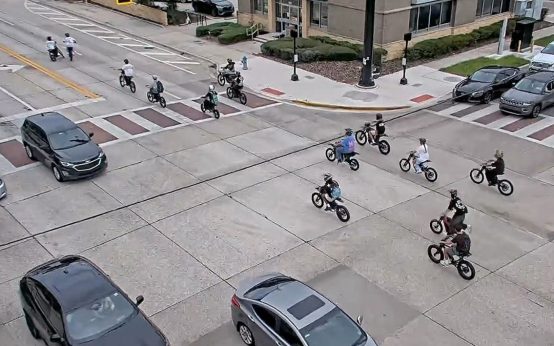 Teen E-Bike Chaos in Downtown Orlando
 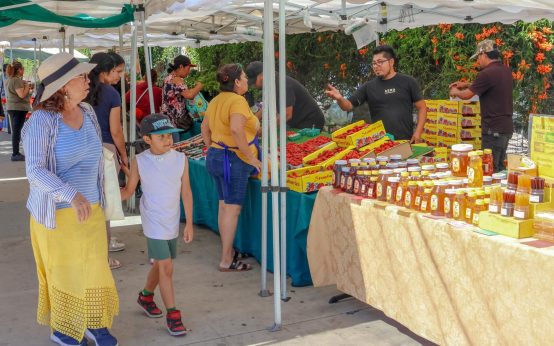 Challenges Faced by South L.A. Community Amid Funding Cuts
 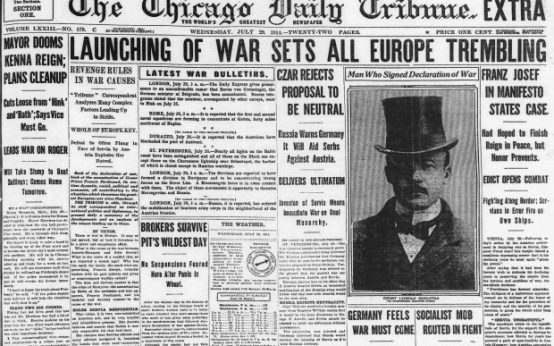 Historical Events in Chicago on July 28
  Tornado Hits Northeastern Wisconsin