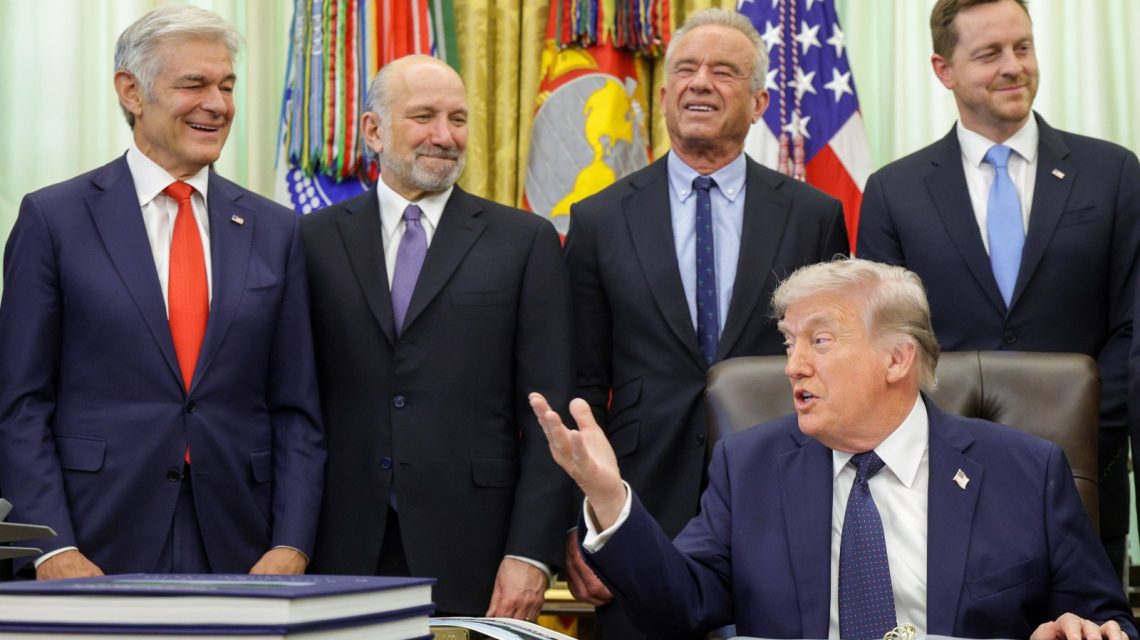
The Trump administration announced a significant move by cutting $3 million in federal funding to Hawaii’s Medicaid fraud control program. This decision follows a stern warning from the administration to states to crack down on Medicaid fraud or risk losing federal funds.
Issues with Hawaii’s Fraud Control
States operating Medicaid must have effective fraud prevention measures. These are managed by the state attorney general. The U.S. Department of Health and Human Services (HHS) Inspector General, Thomas March Bell, communicated to Hawaii’s Attorney General, Anne Lopez, about the funding cuts. Bell attributed this action to Hawaii’s Medicaid Fraud Control Unit’s (MFCU) lack of indictments or convictions over the past four years, despite a 40% increase in Medicaid enrollments and a 27% rise in funding.
Hawaii’s Medicaid figures show that over 360,000 residents are supported by this program. Yet, the absence of active fraud prosecution led to this decision, according to a report by Reuters.
Performance Concerns and Federal Action
Bell’s letter emphasized continual underperformance by Hawaii’s MFCU in executing its responsibilities, as noted by the lack of federal certification for the unit. Consequently, the HHS decided to suspend further funding. This decision echoes statements from Federal Trade Commission Chair Andrew Ferguson, who highlighted the unit’s consistent shortcomings.
Hawaii’s Response and Rebuttal
Attorney General Lopez responded to these claims, recognizing HHS’s concern but contesting the portrayal of Hawaii’s efforts as insufficient. Lopez’s office highlighted a recovery of $14 million through civil cases since 2021, with criminal charges filed this year.
Future Crackdowns and Potential Targets
The Trump administration’s action in Hawaii is part of a broader strategy to fight Medicaid fraud. This effort was initiated through an anti-fraud task force led by Vice President J.D. Vance. Vance previously indicated New York as a possible next target, criticizing its alleged negligence in fraud prosecution compared to other states like Indiana.
Official data shows that nearly 6.5 million people in New York are part of Medicaid, with substantial numbers in New York City. Earlier this year, several individuals admitted guilt in fraudulent activities involving overbilling Medicaid by $68 million.
Questionable Data and Administrative Blunders
The seriousness of New York as a fraud target was muddled by misleading claims from Dr. Mehmet Oz, the CMS administrator, who inaccurately stated the number of Medicaid beneficiaries using personal care services. This misinformation was later corrected by CMS, confirming only about 450,000 recipients utilized these services.
In response, Governor Kathy Hochul’s representative emphasized the state’s aim to eliminate fraud and protect the integrity of Medicaid and other programs critically relied upon by New Yorkers.
 Graham Platner’s Controversial Senate Campaign in Maine
  Trump Rules Out Bill Pulte as Permanent Director of National Intelligence
  California Elections: Key Contests and Vote Counts
  Controversies Surrounding Maine Senate Candidate Graham Platner
  Senate Republicans Pass Bill Funding ICE and CBP Amid Controversy
  Democratic Push for Supreme Court Reform Amid Low Confidence