TEL AVIV, Israel — President Donald Trump made a bold demand during diplomatic negotiations to end the war with Iran. He insisted several Arab and Muslim countries should join his Abraham Accords to normalize relations with Israel in exchange for a resolution. However, there has been little response from the countries named, many of which already have diplomatic ties with Israel. The Israeli government, despite potential benefits, has not shown public support for the proposal.
Analysts view Trump’s condition as sudden and impractical. They see it as a desperate effort to secure a significant diplomatic victory. Regional observers believe the countries involved in the talks are not taking Trump’s demand seriously. Aaron David Miller, a senior fellow at Carnegie Endowment for International Peace, likened Trump’s emphasis on the Abraham Accords to his unfulfilled pledge to transform Gaza into a luxury destination. He suggested that the demand is disconnected from the realities of the situation.
“It’s gaslighting,” said Miller, referencing Trump’s sudden focus on the Accords.
A senior Arab official involved in the negotiations commented on Trump’s remarks, saying, “Someone is misunderstanding the situation in a big way.” The official believes the countries involved should receive gratitude rather than being expected to pay a political cost. Trump’s demand, particularly for countries like Turkiye, Saudi Arabia, Qatar, and others that mediated peace efforts, conflicts with their expectations of appreciation from the U.S.
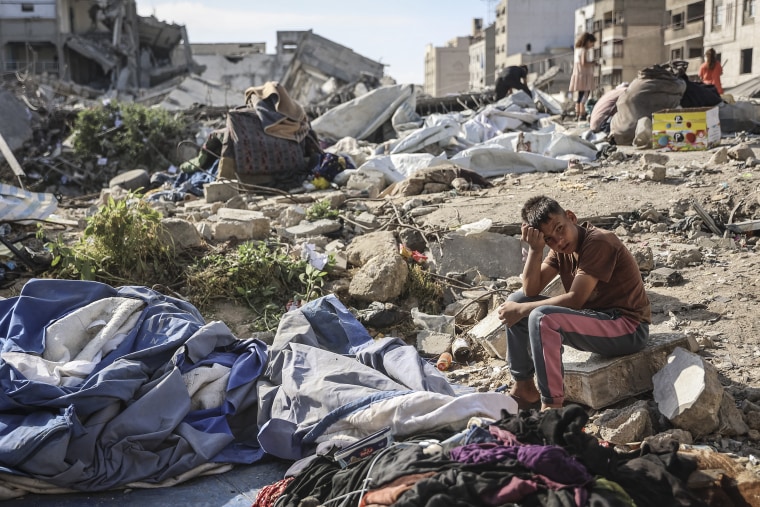
Some nations in the Gulf region have already faced economic and security challenges due to the conflict’s escalation. Pakistani diplomat Asif Durrani mentioned on social media that asking these countries to normalize ties with Israel amid the Gaza situation could worsen regional tensions. Countries such as Saudi Arabia, the UAE, Qatar, Jordan, and Bahrain have experienced Iranian counter-attacks, despite not participating in initial U.S. and Israeli attacks.
The White House, through spokeswoman Anna Kelly, mentioned that expanding the Abraham Accords has been a priority for Trump since his first term, aligning with efforts for a peace deal with Iran. Trump’s recent social media posts indicated he had spoken with leaders from relevant nations, urging them to sign onto the Accords. He even suggested that Middle Eastern leaders would welcome Iran’s inclusion in the Accords.
The Abraham Accords, introduced during Trump’s first term, marked a shift in Middle Eastern geopolitics. Arab countries previously hostile to Israel began extending diplomatic relations, starting with the UAE and Bahrain, followed by Morocco. These agreements altered regional dynamics, driven partly by Iran’s influence.
However, Middle Eastern diplomats speaking anonymously stated they felt no substantial pressure from the U.S. administration to join the Accords. While some Gulf states now perceive Iran as a greater threat, hostility towards Israel remains due to recent conflicts in Gaza following the 2023 Hamas-led attacks. Trump’s comments have not prompted responses from the nations involved nor from Israeli Prime Minister Benjamin Netanyahu, who aspires to expand the Accords.
When asked about Trump’s statements, an Israeli official remarked that Israel wishes to broaden the peace initiatives, acknowledging Trump’s role in promoting these prospects. Analysts note the lack of Israeli response as indicative of the broader diplomatic community’s tendency to dismiss some of Trump’s proposals. Yoel Guzansky from Israel’s Institute for National Security Studies mentioned the transient nature of Trump’s comments, suggesting they might be disregarded in a short time.
For the countries on Trump’s list lacking formal relations with Israel, including Saudi Arabia and Qatar, the Abraham Accords are distinct from the Iranian conflict. They demand recognition of Palestinian statehood as a precondition for diplomatic ties with Israel. Israel’s repeated rejection of this condition complicates Trump’s focus, which could imply unwanted compromises.
Michael Koplow of the Israel Policy Forum acknowledged Israel’s desire to expand the Accords and normalize ties with Saudi Arabia. However, he noted that linking them to the Iranian issue might not align with Israeli interests.
 Investigations Launched Amid California Election Fraud Claims
 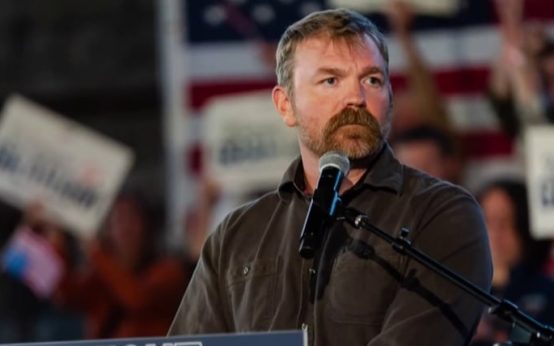 Khanna Urges Apology from Maine Senate Candidate Over Misconduct Allegations
 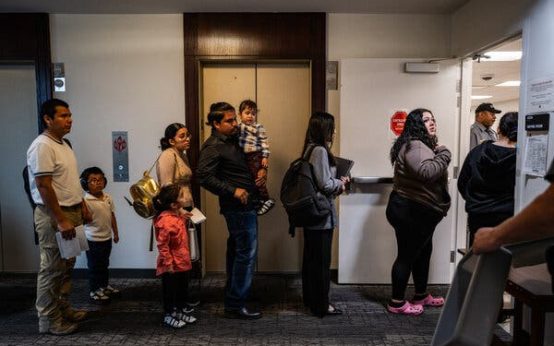 Judge Overturns Trump-Era Immigration Policies
  Trump Aims to Reduce National Intelligence Office Size
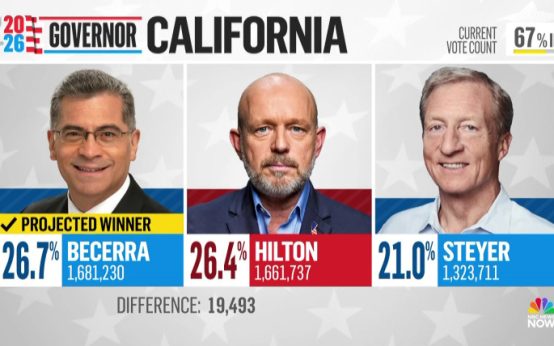
  California Primary Election 2026: Key Races and Emerging Results
  Xavier Becerra Advances in California Governor Race