Transferal of Education Functions
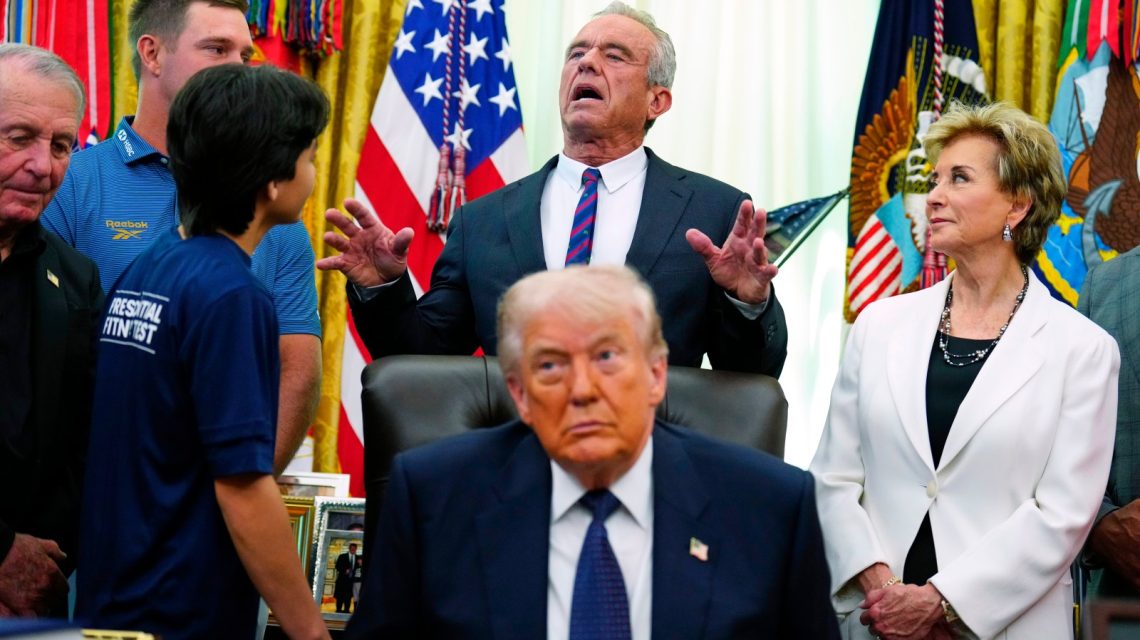
The Trump administration announced a decision to transfer key functions away from the Department of Education. Civil rights enforcement and special education oversight will shift to other federal agencies. This change continues President Trump’s efforts to dismantle the department without seeking congressional approval. The resulting reshaping could impact how federal education oversight operates.
Teachers, students, and families will experience changes in how discrimination complaints and special education programs are handled. These responsibilities are moving to agencies with different mandates. This shift represents a changing federal role in education, affecting how schools interact with Washington.
Under the new plan, the Department of Justice will manage civil rights enforcement in schools and student privacy protections. The Department of Health and Human Services will handle special education programs, tasks previously managed within the Education Department.
Effects on Critical Offices
Two critical offices within the Education Department are affected. The Office for Civil Rights, which handles discrimination complaints in schools and colleges, will now report to the Justice Department. Additionally, the Office of Special Education and Rehabilitative Services, responsible for federal grants and compliance with the Individuals with Disabilities Education Act, will move to HHS.
Education Secretary Linda McMahon has taken action to reduce the department’s role further. Although Congress must approve any abolition of the Education Department, McMahon relies on interagency agreements to transfer programs, effectively reducing the department’s footprint.
In a statement, McMahon emphasized the administration’s intent to reduce federal micromanagement when it hinders success, while bolstering federal oversight where necessary.
Reshaping Federal Education Oversight
This restructuring builds on past agreements that have shifted education programs to other federal agencies like Labor, State, and HHS. The changes intend to improve efficiency, proposing that civil rights issues better align with the Justice Department and disability programs with health-focused agencies.
Educators might face a more fragmented federal system. Civil rights cases, traditionally addressed by the Education Department, often include race, sex, and disability discrimination. Special education services have been guided by an office dedicated to education policy. Moving these responsibilities may result in new bureaucratic processes and varied points of contact.
McMahon noted that the Individuals with Disabilities Education Act predates the Department of Education and would continue independently. Likewise, civil rights law enforcement predates the department and will persist.
Concerns from Advocates and Unions
Advocates caution that dispersing these tasks could complicate enforcement and weaken accountability. Agencies without a central focus on education might respond slowly to school-related issues, particularly concerning classroom practices and student services.
Civil rights groups and employee unions have criticized this move, claiming it erodes student protections and creates uncertainty for educators. Shiwali Patel, senior director of education justice at the National Women’s Law Center, remarked that the illegal transfer of vital services is troubling and weakens protections for millions of students.
Patel referred to the change as an attack on public education, warning of the confusion it leads to for students and faculty amid recent department layoffs and closures. Shifting protections under laws like Title IX and Title VI may weaken.
Rachel Gittleman, president of AFGE Local 252, representing Education Department employees, shared concerns about unlawfully dismantling the department. She warned that these changes might leave vulnerable students without essential services or protections against discrimination.
Gittleman described the move as chaotic rather than efficient. She criticized spreading programs across six federal agencies, stating it does not streamline but breaks government functions. She added that previous agreements have caused funding delays and confusion for federal employees and the public.
Trump’s Education Policy Strategy
Despite backlash, the administration asserts that restructuring will improve coordination and reduce bureaucracy, though critics believe it risks disrupting student services.
The Trump administration has long aimed to weaken the Education Department, combining high-level promises to eliminate the agency with steps to redistribute its functions. Closing the department entirely requires congressional approval, but officials focus on reducing its footprint while shifting core responsibilities.
A vital strategy has been relocating programs to agencies aligned with specific functions. Plans to move student loan management to the Treasury Department and explore transferring other operations are ongoing, dispersing core duties across multiple agencies.
Simultaneously, the administration seeks to shrink the department operationally through mass layoffs, canceled contracts, and broader downsizing efforts. These actions raise concerns about the department’s ability to fulfill Congress-mandated responsibilities, like civil rights enforcement and federal aid oversight.
Sparking legal battles and political opposition illustrates the limits of presidential power without congressional support, challenging how far the administration can proceed independently.
 Challenges in Oakland School District’s Reparations Initiative
  News Wrap: Changes in Education Oversight and International Tensions
  Trump Administration Shifts Education Department Functions to Other Agencies
  Trump Administration’s Plan to Restructure Education Department
  Challenges in Training for the Emerging Lithium Industry
  Cornell Student Sparks Outrage with Antisemitic Remarks