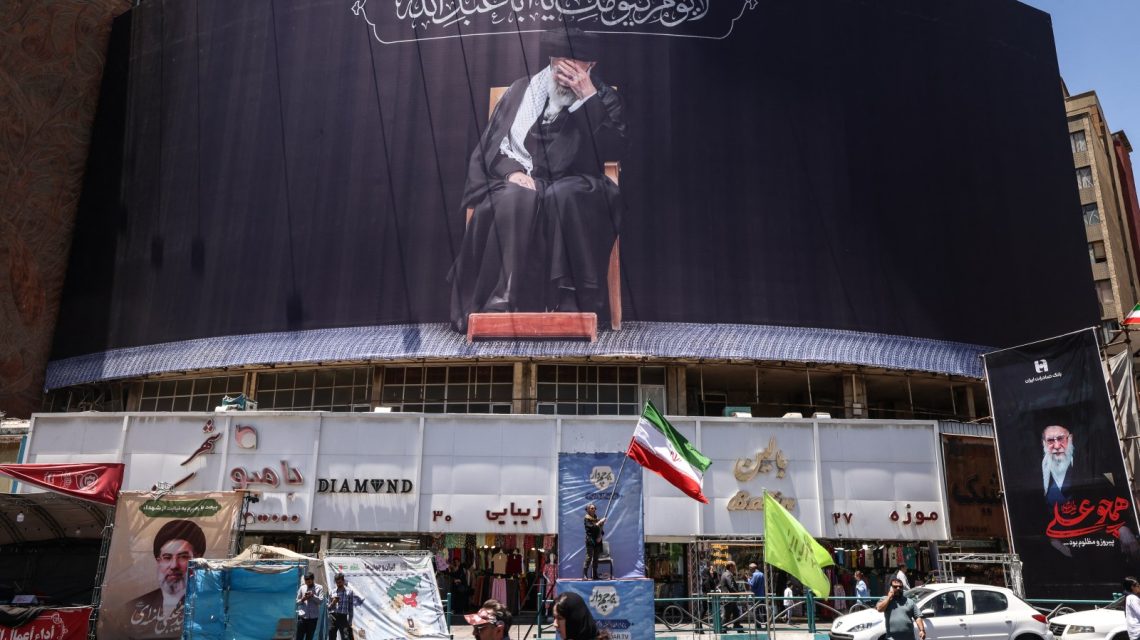
The United States and Iran have made a significant step toward peace by reaching a preliminary agreement. Both nations aim to emphasize their gains in a conflict that has strained the Middle East and influenced global markets. A memorandum of understanding (MoU) will be signed shortly, marking progress, though not a lasting peace. Iran has demonstrated resilience against the combined efforts of the U.S. and Israel, leveraging its influence over the Strait of Hormuz to impact oil and gas trade. This action has also linked the Persian Gulf conflict with tensions between Hezbollah and Israel.
The White House achieved notable military objectives, including the targeted elimination of Iranian leadership and significant military assets. Yet, President Trump’s proclaimed victory is overshadowed by potential future challenges from Khamenei’s successor, Mojtaba. Sina Azodi from George Washington University’s Elliott School of International Affairs noted Iran’s increased power in facing the U.S. and Israel simultaneously. He suggested that Iran might adopt a bolder regional stance, with future U.S.-Iran clashes remaining below full-scale war. Azodi emphasized the primary goal of ending the war to prevent escalation.
The MoU contents, open to interpretation by both sides, focus on the ongoing conflict without addressing core U.S.-Iran issues. It proposes a 60-day ceasefire and unhinges blockades in the Strait of Hormuz. The agreement’s stance on Iran’s nuclear ambitions or support for groups like Hezbollah remains unclear. U.S. Vice President JD Vance indicated the possibility of sanction relief if Iran makes significant commitments, yet no detailed confirmations have been made. Trump highlighted the MoU’s impact on nuclear weapon development, contrasting it with the 2015 JCPOA.
Iran, having bolstered uranium enrichment levels post-2018 JCPOA withdrawal, faced U.S. and Israeli operations in what became the 12-Day War. Trump stated Iran could enrich uranium only at non-military levels under a potential future deal. Iranian officials portray the MoU as a victory over foreign hostility, with President Masoud Pezeshkian advocating for dialogue despite internal criticism.
Mara Rudman from the University of Virginia’s Miller Center argued that actual progress requires resumed Strait of Hormuz traffic and nuclear negotiations. Ruedman reflected on the U.S.’s diminished position due to Trump’s JCPOA withdrawal. The loss of a stronger negotiating stance was noted, recognizing global acknowledgment despite presidential rhetoric.
Ali Vaez from the International Crisis Group remarked on the ceasefire’s short-term priority, allowing time for negotiation. Regional stabilization could emerge from a modest deal, yet failure might lead to renewed conflict. The lack of trust fuels momentum for negotiations, as Masoud Rezaei of the Center for Middle East Strategic Studies described a shift to mutually assured vulnerability. Iran’s ability to strike U.S. and Israeli targets has led to a political strategy favoring negotiation over conflict.
The political elite in Iran views fragile peace and intermittent confrontation as unfavorable, with limits on tactical strikes by the IRGC against superior firepower of opponents. Moving forward with a deal serves as a strategy to overcome the strategic stalemate. Iran uses its control over the Strait of Hormuz as leverage in negotiations, potentially influencing future sanctions relief discussions.
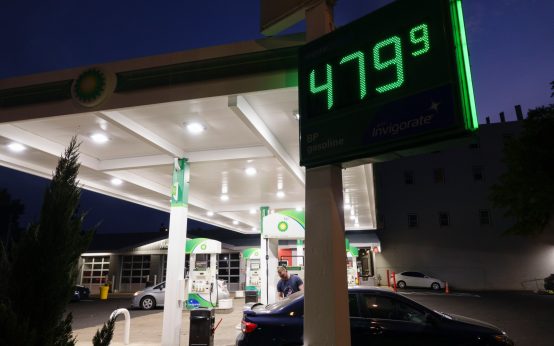 Potential Impact of Inflation on Social Security Benefits Due to Iran Conflict
  2026 FIFA World Cup Kicks Off with Exciting Matches and Anticipation for Erling Haaland’s Debut
  Putin’s Obsession and Psychological Projection
 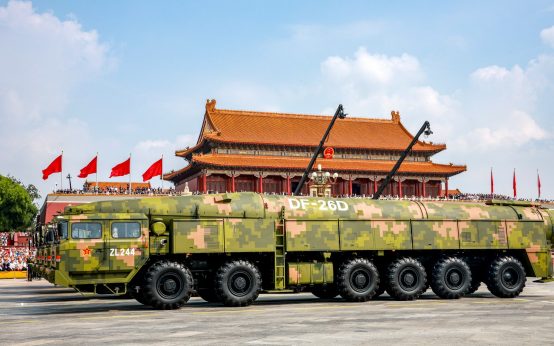 China’s Expanding Military Reach and Its Impact on Australia
 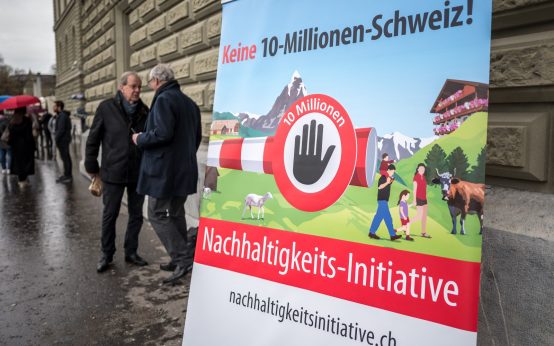 Swiss Voters Reject Population Cap Proposal
  Death of Yemen’s ‘Spider-Man’ Sparks Dialogue on Extreme Climbing Risks